Cleanroom Air Filtration Best Practices in Burnaby: Implementing Automatic Roll Air Filters
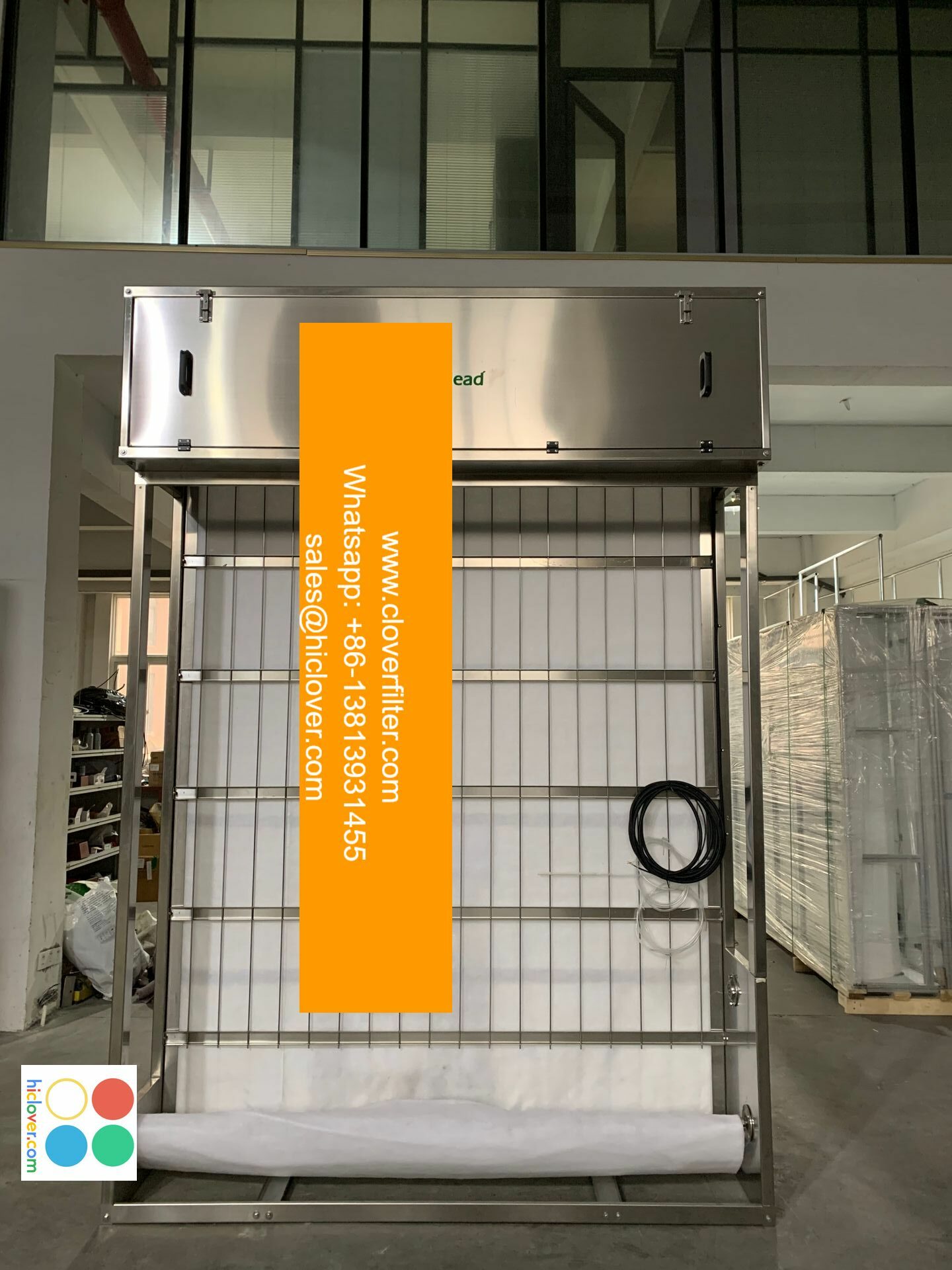
Cleanrooms are controlled environments that require precise temperature, humidity, and air quality control to prevent contamination and ensure the quality of products manufactured or researched within them. In Burnaby, a city with a thriving tech and pharmaceutical industry, cleanroom air filtration is crucial for maintaining the integrity of these environments. This article will discuss the best practices for cleanroom air filtration in Burnaby, with a focus on implementing automatic roll air filters.
Introduction to Cleanroom Air Filtration
Cleanroom air filtration is a critical component of maintaining a contamination-free environment. The air in a cleanroom is constantly recirculated and filtered to remove particles, microorganisms, and other contaminants that could compromise the quality of products or research. In Burnaby, cleanrooms are used in a variety of industries, including pharmaceuticals, biotechnology, and electronics manufacturing.
Benefits of Automatic Roll Air Filters
Automatic roll air filters are a type of air filter that uses a roll of filter media that automatically advances to replace the dirty filter material with clean material. These filters offer several benefits, including:
* Increased Efficiency: Automatic roll air filters can operate continuously without the need for manual intervention, reducing downtime and increasing overall efficiency.
* Improved Air Quality: These filters can capture particles as small as 0.3 microns, ensuring that the air in the cleanroom is extremely clean and free of contaminants.
* Reduced Maintenance: With automatic roll air filters, the need for manual filter changes is eliminated, reducing maintenance costs and minimizing the risk of contamination.
Application Areas for Automatic Roll Air Filters
Automatic roll air filters can be used in a variety of application areas, including:
* Pharmaceutical Manufacturing: Cleanrooms in pharmaceutical manufacturing facilities require extremely high levels of air quality control to prevent contamination and ensure the quality of products.
* Biotechnology Research: Biotechnology research facilities use cleanrooms to conduct research and develop new products, and require precise air quality control to prevent contamination and ensure accurate results.
* Electronics Manufacturing: Cleanrooms in electronics manufacturing facilities require high levels of air quality control to prevent damage to sensitive electronic components.
* Medical Device Manufacturing: Cleanrooms in medical device manufacturing facilities require high levels of air quality control to prevent contamination and ensure the quality of products.

Implementing Automatic Roll Air Filters in Burnaby
Implementing automatic roll air filters in Burnaby requires careful consideration of several factors, including:
* Air Quality Requirements: The level of air quality required will depend on the specific application and industry.
* Filter Size and Type: The size and type of filter required will depend on the size of the cleanroom and the level of air quality required.
* Installation and Maintenance: Automatic roll air filters should be installed and maintained by qualified personnel to ensure proper function and minimize downtime.
Conclusion
In conclusion, cleanroom air filtration is a critical component of maintaining a contamination-free environment in Burnaby. Automatic roll air filters offer several benefits, including increased efficiency, improved air quality, and reduced maintenance. By implementing these filters in application areas such as pharmaceutical manufacturing, biotechnology research, electronics manufacturing, and medical device manufacturing, facilities in Burnaby can ensure the quality of their products and research, and maintain a competitive edge in their respective industries. By following best practices for implementation and maintenance, facilities can ensure the proper function of their automatic roll air filters and maintain a clean and contamination-free environment.
Some of the key words related to this topic include: cleanroom air filtration, automatic roll air filters, high-efficiency particulate air (HEPA) filters, ultra-low penetration air (ULPA) filters, air quality control, contamination prevention, and cleanroom design and construction.
The various application areas for automatic roll air filters include: pharmaceutical manufacturing, biotechnology research, electronics manufacturing, medical device manufacturing, food processing, and laboratory research.
The best practices for implementing automatic roll air filters include: conducting a thorough risk assessment, selecting the appropriate filter size and type, ensuring proper installation and maintenance, and monitoring air quality and filter performance.
It is also important to consider the industry standards and regulations related to cleanroom air filtration, such as ISO 14644, ISO 13485, and cGMP.
By following these best practices and considering the various application areas and industry standards, facilities in Burnaby can ensure the effective implementation of automatic roll air filters and maintain a clean and contamination-free environment.
