Cleanroom Air Filtration Systems: A Comparative Study of Automatic Roll Air Filters and Traditional Air Filtration Systems
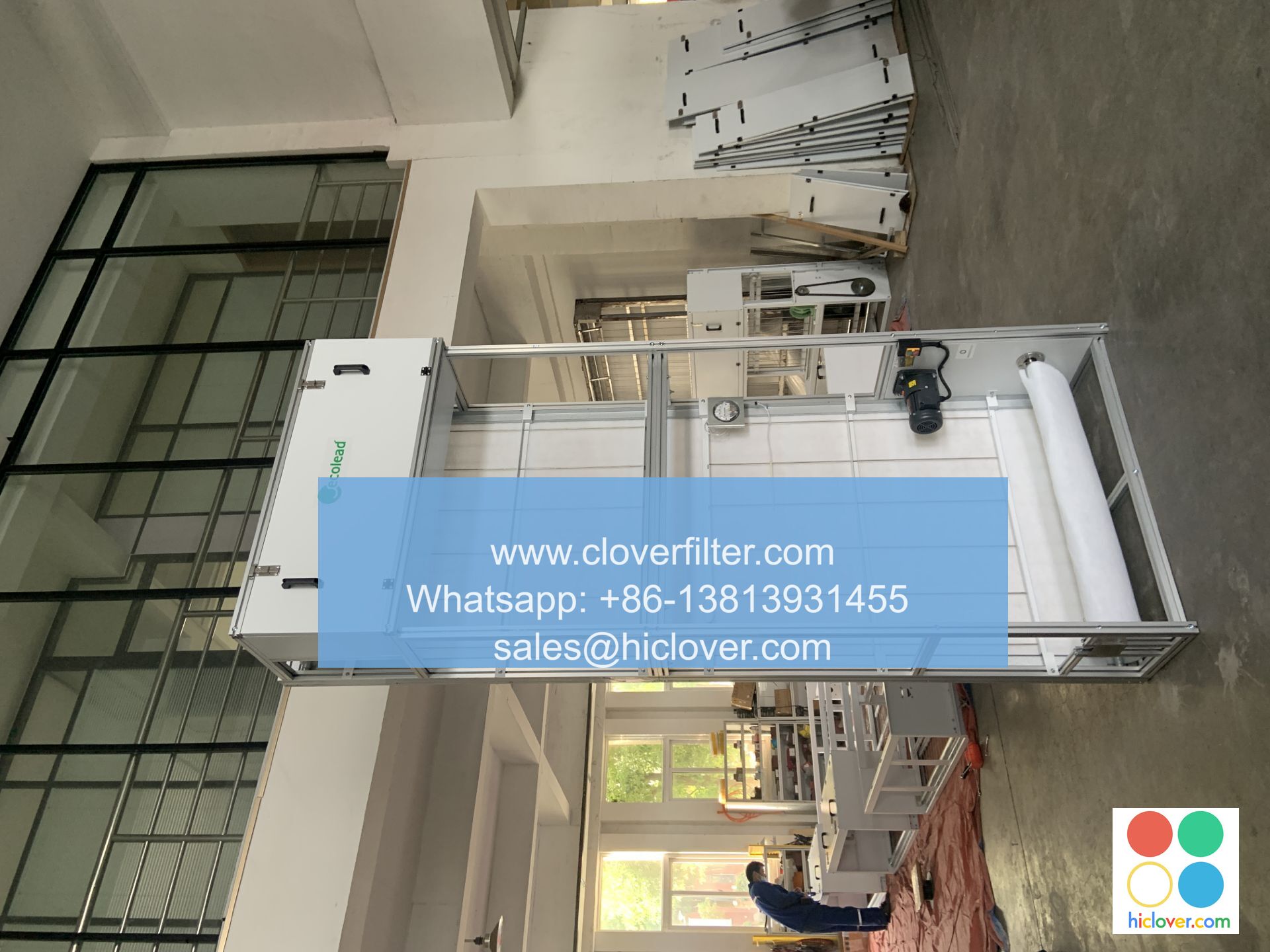
In industries where cleanliness is paramount, such as pharmaceuticals, electronics, and biotechnology, maintaining a controlled environment is critical. Cleanroom air filtration systems play a significant role in achieving this objective. This article presents a comparative study of Automatic Roll Air Filters and Traditional Air Filtration Systems, highlighting their features, applications, and effectiveness.
What Are Cleanroom Air Filtration Systems?

Cleanroom air filtration systems are designed to remove airborne particles, contaminants, and microorganisms from the air in controlled environments. They are essential in various applications, including:
- Pharmaceutical Manufacturing
- Microelectronics Production
- Aerospace Components
- Biotechnology Research Facilities
Maintaining a clean environment in these industries is crucial for product quality, research integrity, and compliance with regulatory standards.
Traditional Air Filtration Systems
Traditional air filtration systems typically consist of multiple filter types, including pre-filters and HEPA (High-Efficiency Particulate Air) filters. These systems operate using a fixed filter mechanism, where air passes through the filters to remove particulates.
Advantages of Traditional Air Filtration Systems:
- Cost-Effective: Generally, initial investment costs are lower than more advanced filtering systems.
- Reliability: Traditional systems are often based on proven technologies with a long track record.
- Simplicity: They offer straightforward maintenance and operation protocols.
Disadvantages of Traditional Air Filtration Systems:
- Limited Efficiency: While HEPA filters are effective, they can clog quickly, leading to higher replacement frequency and increased costs.
- Labor-Intensive Maintenance: Filter changes require manual intervention, which can lead to downtime and potential contamination risks.
- Static Filtration: These systems may not adapt to varying levels of particulates or changes in air quality.
Automatic Roll Air Filters
Automatic roll air filters represent a newer, more innovative approach to air filtration in cleanrooms. These systems utilize a continuous roll of filter material that automatically feeds into the filtering mechanism as needed.
Advantages of Automatic Roll Air Filters:
- Continuous Filtration: The automatic nature of these filters allows for ongoing filtration, reducing the risk of contamination from clogged filters.
- Self-Cleaning Capability: Some models incorporate a self-cleaning feature that minimizes maintenance and extends filter life.
- Adaptive to Air Quality: Many automatic roll filters can adjust to fluctuating particulate levels in real-time, enhancing operational efficiency.
Disadvantages of Automatic Roll Air Filters:
- Higher Initial Costs: The investment for an automatic roll filter system can be significant compared to traditional systems.
- Complexity: The technology involved may require specialized training for effective operation and maintenance.
- Potential Reliance on Technology: Systems that heavily depend on automation can pose risks in situations where technical failures occur.
Comparative Analysis
| Feature | Traditional Air Filtration Systems | Automatic Roll Air Filters |
|---|---|---|
| Cost | Lower initial investment | Higher initial investment |
| Maintenance | Labor-intensive | Automated and reduced |
| Efficiency | Limited under high load | Continuous and adaptive |
| Simplicity | Straightforward | More complex |
| Application Scope | General use | High-tech applications |
Application Areas
1. Pharmaceutical Industry
In pharmaceutical manufacturing, meeting stringent quality standards is non-negotiable. Both filtration systems have roles; however, automatic roll air filters are increasingly favored for their ability to adapt to particulate load variations.
2. Microelectronics Manufacturing
Microelectronics facilities demand ultra-clean environments, where even the slightest contamination can result in product failure. Here, automatic roll air filters have the upper hand by maintaining constant air quality control.
3. Biotechnology Labs
Biotechnology applications often involve sensitive biological materials. Maintaining aseptic conditions is vital, positioning traditional systems for cost-effective setups, while automatic systems offer superior cleanliness for high-stakes research.
Conclusion
When it comes to cleanroom air filtration systems, both traditional air filtration systems and automatic roll air filters have their merits and drawbacks. The choice largely depends on the specific requirements of the application, budget constraints, and desired levels of operational efficiency. As industries continue to evolve, understanding the distinctions and the applications of each system will empower stakeholders to make informed decisions for maintaining optimal cleanroom environments.
