Cleanroom Air Filtration: The Science Behind Automatic Roll Air Filters in BC
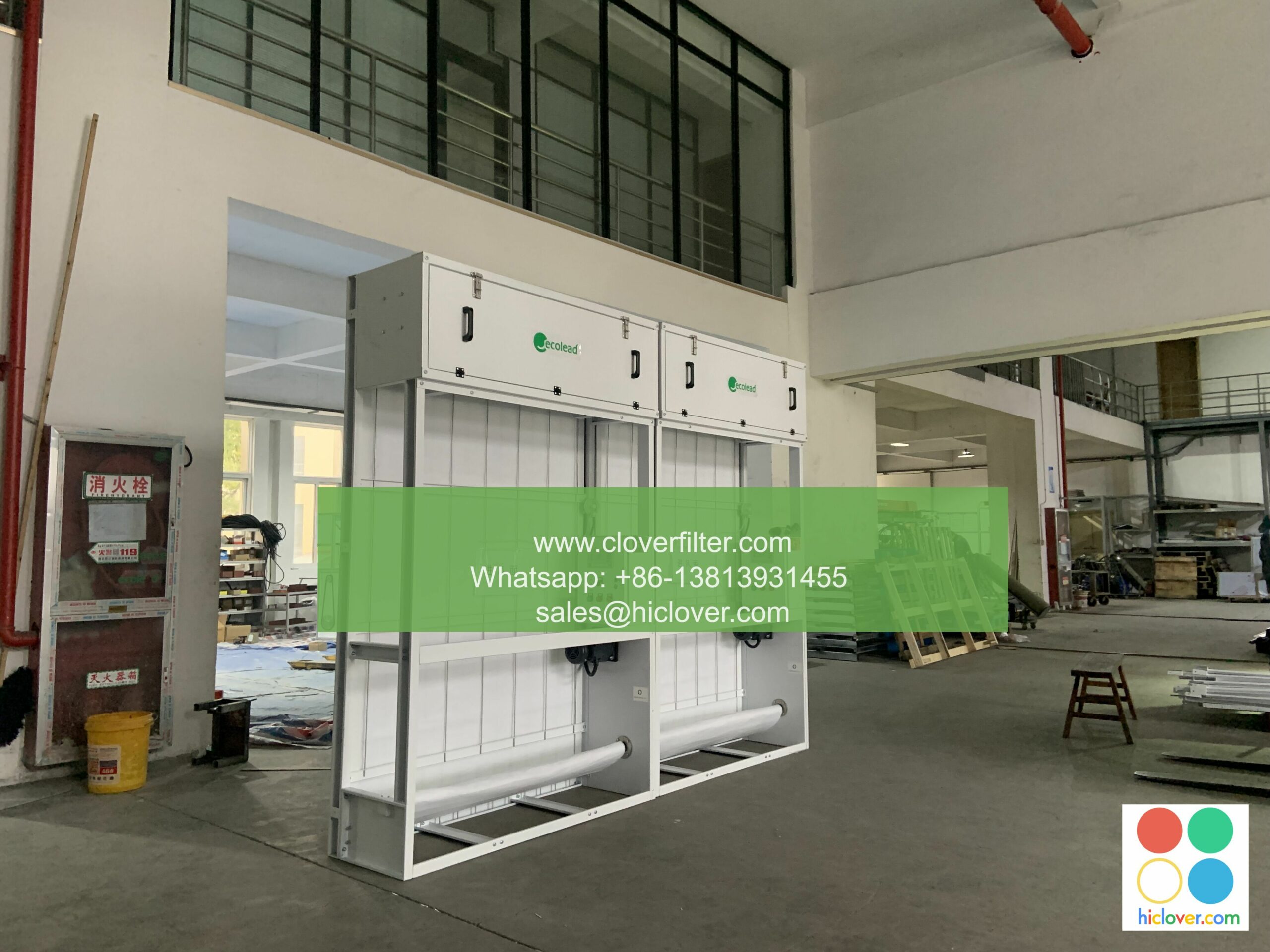
Cleanroom air filtration is a critical component in various industries, including pharmaceutical, biotechnology, and electronics manufacturing. The primary goal of cleanroom air filtration is to remove airborne contaminants, such as dust, particles, and microorganisms, to maintain a controlled environment. One type of air filtration system that has gained popularity in recent years is the automatic roll air filter (ARAF). In this article, we will delve into the science behind ARAF and its applications in British Columbia (BC).
ARAF systems use a roll of filter media that is automatically advanced as it becomes dirty, providing a consistent level of air quality. The filter media is typically made of a synthetic material, such as polyester or polypropylene, and is designed to capture particles as small as 0.3 microns. The ARAF system is equipped with a sensor that monitors the pressure drop across the filter and advances the filter media when it reaches a predetermined level. This ensures that the air quality remains consistent and that the filter is replaced before it becomes too dirty.

The science behind ARAF is based on the principles of filtration and airflow. The filter media is designed to capture particles using a combination of mechanical and electrostatic forces. The mechanical forces include interception, impaction, and diffusion, which work together to capture particles as they pass through the filter. The electrostatic forces are created by the filter media, which is typically charged to attract particles. As the air passes through the filter, the particles are trapped by the filter media, providing a clean and controlled environment.
In BC, ARAF systems are widely used in various industries, including pharmaceutical and biotechnology manufacturing. These industries require a high level of air quality to prevent contamination and ensure product quality. ARAF systems are also used in hospitals and healthcare facilities to provide a clean and safe environment for patients and staff. Additionally, ARAF systems are used in electronics manufacturing to prevent damage to sensitive equipment and components.
One of the key benefits of ARAF systems is their ability to provide a consistent level of air quality. The automatic advancement of the filter media ensures that the air quality remains consistent, even as the filter becomes dirty. This is particularly important in industries where consistency is critical, such as pharmaceutical and biotechnology manufacturing. ARAF systems also reduce the need for manual filter replacement, which can be a time-consuming and labor-intensive process.
Another benefit of ARAF systems is their energy efficiency. The systems are designed to use a constant airflow rate, which reduces the energy required to operate the system. This is particularly important in BC, where energy costs are high and there is a focus on reducing energy consumption. ARAF systems also reduce the amount of waste generated by traditional filter systems, as the filter media is automatically advanced and replaced as needed.

In conclusion, ARAF systems are a critical component in cleanroom air filtration, providing a consistent level of air quality and energy efficiency. The science behind ARAF is based on the principles of filtration and airflow, and the systems are widely used in various industries in BC. Whether you are involved in pharmaceutical and biotechnology manufacturing, healthcare, or electronics manufacturing, ARAF systems can provide a clean and controlled environment that meets your specific needs.
FAQs:
- What is an automatic roll air filter (ARAF) system?
- How does an ARAF system work?
- What are the benefits of ARAF systems?
- What industries use ARAF systems in BC?
- How do ARAF systems reduce energy consumption?
ARAF systems use a roll of filter media that is automatically advanced as it becomes dirty, providing a consistent level of air quality.
The ARAF system uses a sensor to monitor the pressure drop across the filter and advances the filter media when it reaches a predetermined level.
ARAF systems provide a consistent level of air quality, reduce the need for manual filter replacement, and are energy efficient.
ARAF systems are widely used in pharmaceutical and biotechnology manufacturing, hospitals and healthcare facilities, and electronics manufacturing.
ARAF systems use a constant airflow rate, which reduces the energy required to operate the system.
