Cleanroom Air Purification for the Diagnostic Industry: Automatic Roll Air Filter’s Expertise
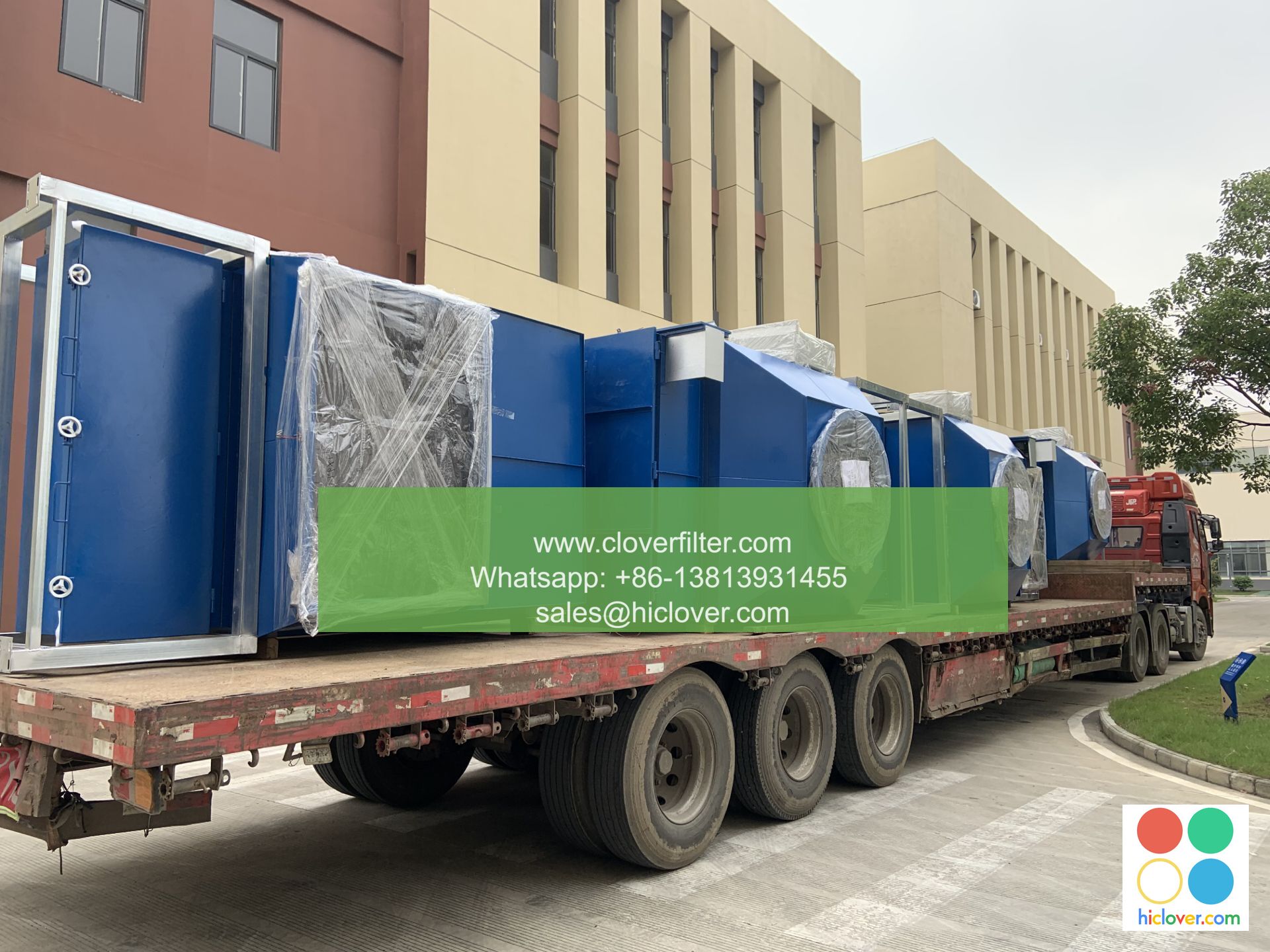
The diagnostic industry plays a pivotal role in healthcare by facilitating accurate and timely disease detection. The importance of a clean and controlled environment in this industry cannot be overstated, as it directly influences the quality and reliability of diagnostic results. Cleanroom air purification systems are essential in maintaining stringent air quality standards necessary for laboratory environments. One of the most efficient and innovative solutions in this realm is the Automatic Roll Air Filter, which effectively enhances air purification processes in cleanrooms.
Importance of Cleanroom Air Quality

In diagnostic laboratories, airborne contaminants such as dust, microbes, and chemical vapors can compromise sample integrity and test outcomes. As a result, maintaining a sterile environment is crucial. Cleanrooms are classified based on the number of particles per cubic meter of air, and achieving low particle counts requires sophisticated air filtration systems.
Airborne contaminants can lead to several consequences, including:
- False test results that could jeopardize patient care.
- Increased risk of cross-contamination between samples.
- Decreased efficacy of sensitive diagnostic equipment.

Understanding Automatic Roll Air Filters
Automatic Roll Air Filters represent a significant leap in cleanroom air purification technology. These filters are designed to provide a continuous, efficient filtration process, crucial for meeting the requirements of controlled environments in the diagnostic industry. Here’s how they work:
- Continuous Filtration: The roll design allows for continuous filtration, reducing the frequency of manual replacements and ensuring consistent air quality.
- High Efficiency: Equipped with advanced filter media, these systems capture a high percentage of airborne pollutants, including fine particles and allergens.
- Self-Monitoring: Many automatic roll air filters have built-in sensors that monitor air quality and filter condition, providing real-time data for optimal operation.
- Energy Efficiency: Designed to consume less energy than traditional filter systems, they are suitable for environmentally conscious facilities.
Applications in the Diagnostic Industry
In diagnostic laboratories, the applications of Automatic Roll Air Filters include:
- Microbiology Laboratories: Preventing contamination from airborne microorganisms to safeguard sample integrity during testing.
- Molecular Diagnostics: Protecting sensitive molecular assays from contamination that could affect results.
- Pathology Departments: Ensuring high-quality ambient air for the preparation and analysis of biological samples.
- Research Laboratories: Supporting innovative research initiatives in a sterile environment.
Conclusion
Automatic Roll Air Filters represent a transformative solution in cleanroom air purification, particularly within the diagnostic industry. With their specialized design and advanced features, these filters offer a reliable method for maintaining air quality standards essential for accurate diagnostics. Embracing such innovative technologies will not only improve laboratory operations but ultimately enhance patient outcomes through reliable and precise diagnostic results. Investing in quality air filtration systems is an investment in the future of healthcare, ensuring that diagnostic laboratories continue to uphold the highest standards of accuracy and safety.
FAQs
What are the main benefits of using Automatic Roll Air Filters in cleanrooms?
The key benefits include continuous filtration, high efficiency in capturing particulates, self-monitoring capabilities, and lower energy consumption.
How often do these filters need to be replaced?
While the continuous design of Automatic Roll Air Filters reduces the frequency of replacements, the specific interval will depend on the laboratory’s operational conditions and the manufacturer’s recommendations.
Can Automatic Roll Air Filters be integrated with existing HVAC systems?
Yes, these filters can often be integrated into existing HVAC systems to enhance air quality without requiring extensive modifications.
Are there specific industry standards for cleanroom air quality in diagnostics?
Yes, guidelines such as ISO 14644 outline standards for cleanroom cleanliness levels, detailing particle limits that must be maintained during operations.
