Cleanroom Air Quality Control: The Impact of Automatic Roll Air Filters in BC
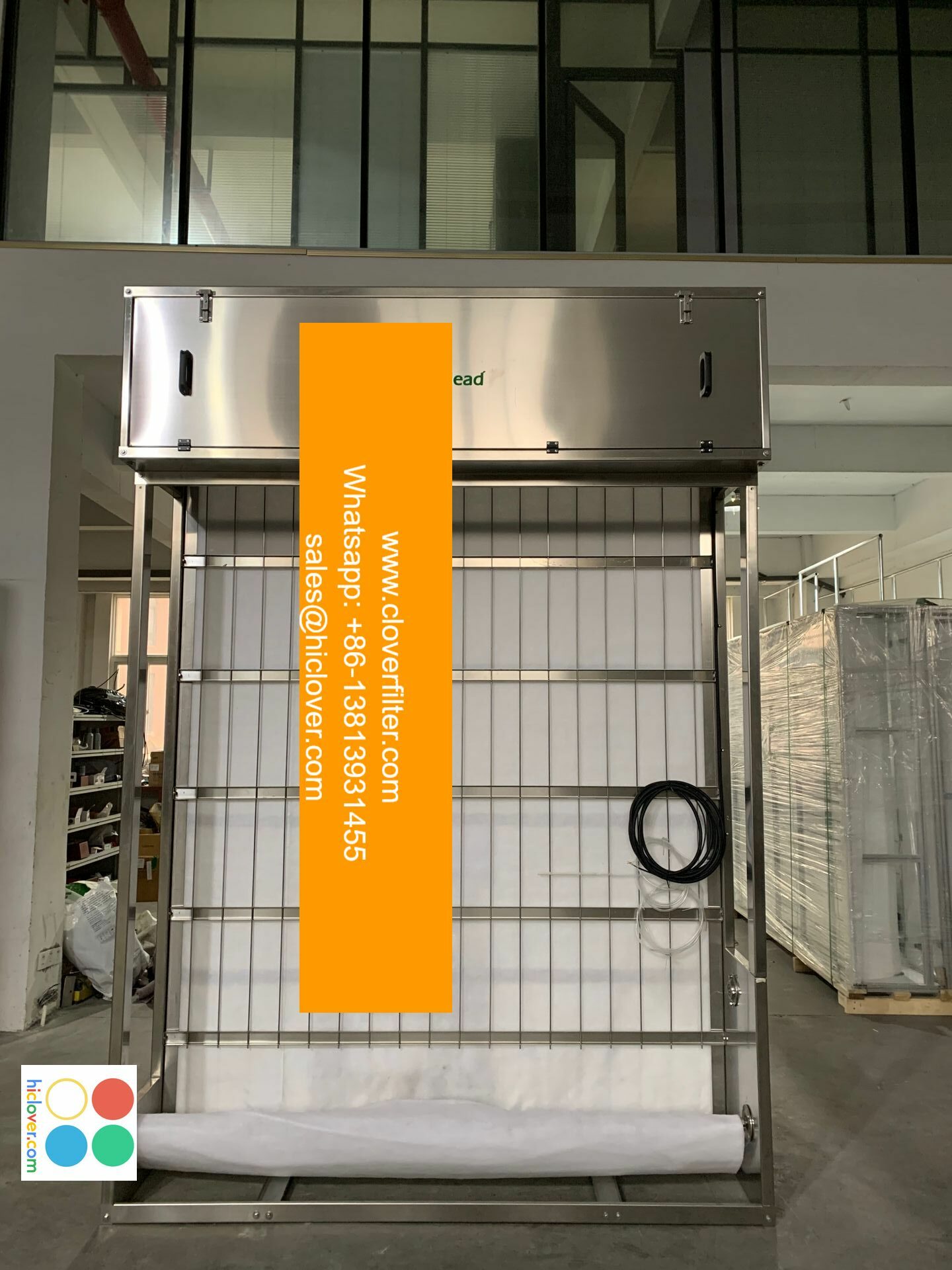
Cleanrooms are controlled environments that require precise temperature, humidity, and air quality control to prevent contamination and ensure the quality of products manufactured within them. In British Columbia (BC), cleanrooms are used in various industries, including pharmaceuticals, biotechnology, and electronics. One crucial aspect of cleanroom air quality control is the use of automatic roll air filters. These filters play a vital role in maintaining the cleanliness and purity of the air within cleanrooms, and their impact cannot be overstated.
Automatic roll air filters are designed to capture airborne contaminants, such as dust, dirt, and microorganisms, that can compromise the quality of products manufactured in cleanrooms. These filters are typically installed in the cleanroom’s HVAC system and are programmed to automatically roll out new filter media as the old one becomes saturated with contaminants. This ensures that the air quality within the cleanroom remains consistent and meets the required standards.

The impact of automatic roll air filters on cleanroom air quality control in BC is significant. By capturing airborne contaminants, these filters help prevent product contamination, reduce the risk of defects, and improve overall product quality. Additionally, automatic roll air filters can help reduce energy consumption and lower maintenance costs by minimizing the need for manual filter replacement and cleaning.
In BC, the use of automatic roll air filters is particularly important due to the province’s strict regulations and guidelines for cleanroom air quality control. The BC government has established guidelines for cleanroom design, construction, and operation, which include requirements for air filtration and purification systems. By installing automatic roll air filters, cleanroom operators in BC can ensure compliance with these regulations and maintain the highest standards of air quality control.
Furthermore, the use of automatic roll air filters can also help cleanroom operators in BC to reduce their environmental footprint. By minimizing the amount of waste generated by manual filter replacement and cleaning, automatic roll air filters can help reduce the amount of waste sent to landfills and lower greenhouse gas emissions. This is particularly important in BC, where the government has set ambitious targets for reducing waste and emissions.
In addition to their environmental benefits, automatic roll air filters can also help cleanroom operators in BC to improve their bottom line. By reducing the need for manual filter replacement and cleaning, these filters can help lower labor costs and minimize production downtime. This can result in significant cost savings and improved productivity, making automatic roll air filters a valuable investment for cleanroom operators in BC.
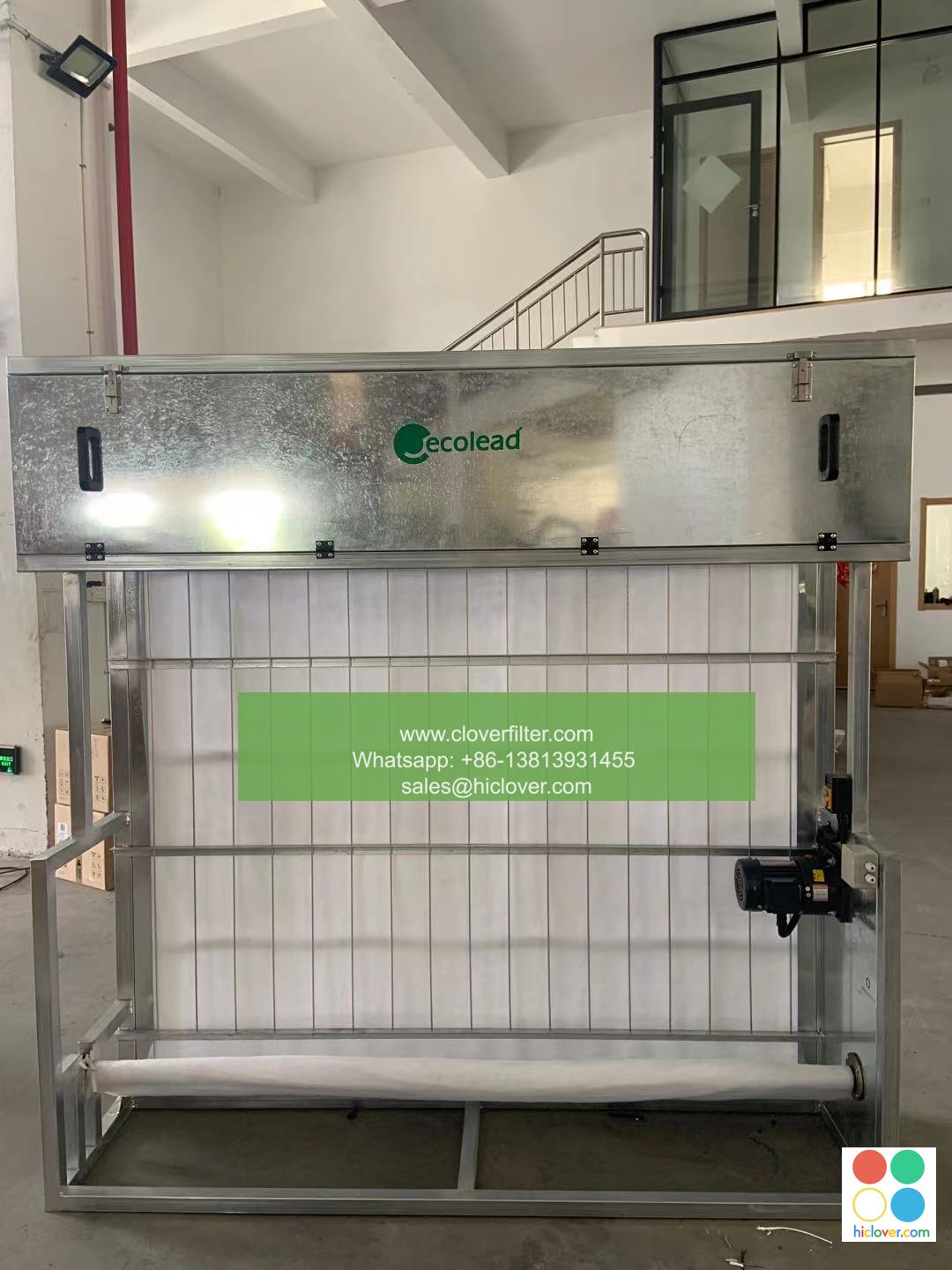
Overall, the impact of automatic roll air filters on cleanroom air quality control in BC is significant. By capturing airborne contaminants, reducing energy consumption, and minimizing waste, these filters play a vital role in maintaining the cleanliness and purity of the air within cleanrooms. As the demand for cleanroom air quality control continues to grow in BC, the use of automatic roll air filters is likely to become even more widespread, helping to drive innovation and productivity in various industries across the province.
However, it is essential to note that the effectiveness of automatic roll air filters depends on various factors, including the type of filter media used, the filter’s installation and maintenance, and the overall design and operation of the cleanroom. Cleanroom operators in BC must ensure that their automatic roll air filters are properly installed, maintained, and operated to maximize their benefits and minimize their drawbacks.
In conclusion, automatic roll air filters are a crucial component of cleanroom air quality control in BC. Their ability to capture airborne contaminants, reduce energy consumption, and minimize waste makes them an essential investment for cleanroom operators across the province. By understanding the benefits and limitations of automatic roll air filters, cleanroom operators in BC can make informed decisions about their use and ensure the highest standards of air quality control.
Frequently Asked Questions (FAQs)
Q: What are automatic roll air filters, and how do they work?
A: Automatic roll air filters are designed to capture airborne contaminants in cleanrooms. They work by automatically rolling out new filter media as the old one becomes saturated with contaminants, ensuring consistent air quality control.
Q: What are the benefits of using automatic roll air filters in cleanrooms?
A: The benefits of using automatic roll air filters include improved air quality control, reduced energy consumption, minimized waste, and lower labor costs. They also help cleanroom operators comply with regulations and guidelines for cleanroom air quality control.
Q: How do automatic roll air filters contribute to environmental sustainability in BC?
A: Automatic roll air filters contribute to environmental sustainability in BC by minimizing waste, reducing greenhouse gas emissions, and promoting the use of energy-efficient technologies. This aligns with the BC government’s targets for reducing waste and emissions.
Q: What factors affect the effectiveness of automatic roll air filters in cleanrooms?
A: The effectiveness of automatic roll air filters depends on factors such as the type of filter media used, the filter’s installation and maintenance, and the overall design and operation of the cleanroom. Proper installation, maintenance, and operation are essential to maximize the benefits of automatic roll air filters.
