Climate Challenges in Dar es Salaam and the Role of Automatic Roll Filters
Dar es Salaam, an economic and cultural hub of Tanzania, faces numerous climate challenges, including rising sea levels, increased flooding, and heat waves. As one of the fastest-growing cities in Africa, it is imperative to address these issues effectively to safeguard its future. This article explores the climate challenges in Dar es Salaam and the role of innovative technologies, particularly automatic roll filters, in mitigating these challenges.
The Climate Challenges in Dar es Salaam
Dar es Salaam is grappling with several environmental issues that threaten its inhabitants and infrastructure:
- Rising Sea Levels: As a coastal city, Dar es Salaam is vulnerable to the adverse effects of climate change, with rising sea levels creating risks of saltwater intrusion, property damage, and loss of agricultural land.
- Increased Flooding: Heavy rains during the wet season often overwhelm drainage systems, resulting in widespread flooding that disrupts daily life and exacerbates health risks.
- Heat Waves: Urbanization has led to the creation of heat islands, where temperature increases pose health risks to residents, particularly the elderly and those with pre-existing health conditions.
The Importance of Innovative Solutions
Addressing these challenges requires a multifaceted approach, including investments in infrastructure, sustainable urban planning, and the adoption of innovative technologies. One such promising solution is the implementation of automatic roll filters.
What Are Automatic Roll Filters?
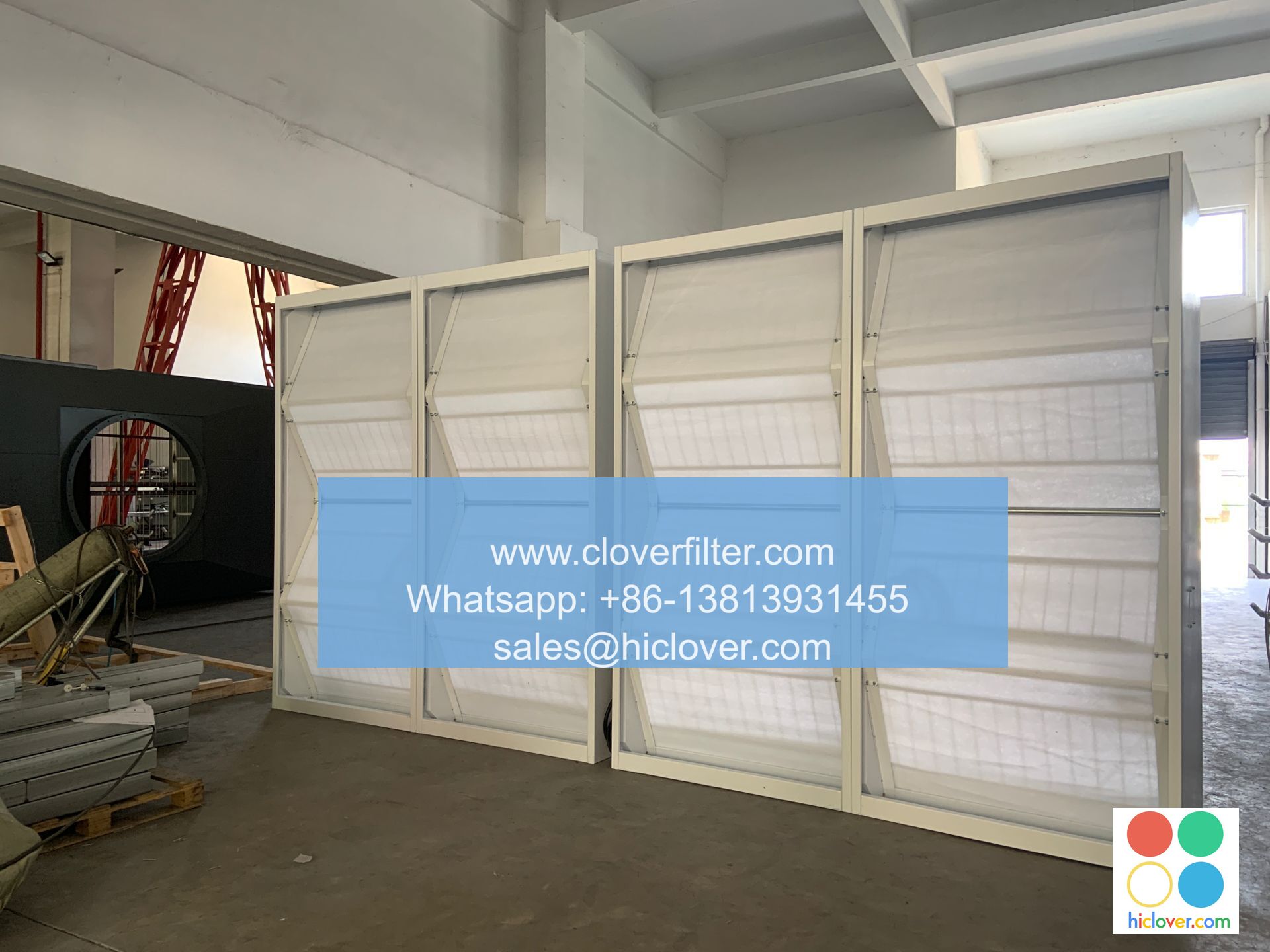
Automatic roll filters are advanced filtration systems that can be utilized in various applications, including wastewater treatment, air purification, and industrial processes. These filters automatically clean themselves, minimizing maintenance needs and ensuring continuous operation. Their versatility makes them ideal for addressing several climate-related challenges faced by Dar es Salaam.
Application Areas of Automatic Roll Filters
1. Wastewater Management
With increased flooding and poor sanitation infrastructure, automatic roll filters can significantly improve wastewater management in Dar es Salaam. By filtering out contaminants, they help protect public health and reduce pollution in local water bodies.
2. Air Quality Improvement
Air pollution is a growing concern in urban areas. Automatic roll filters can enhance air quality by trapping particulate matter and other pollutants, helping to mitigate the heat island effect and providing cleaner air for residents.
3. Food Production
In agricultural settings, these filters can improve water quality used for irrigation, ensuring that crops receive clean water. This is essential in an era where agricultural practices must adapt to changing weather patterns.
4. Industrial Processes
Industries in Dar es Salaam can use roll filters for efficient production processes, reducing waste and improving sustainability. Cleaner production not only benefits the environment but also enhances the city’s economic viability.
Conclusion: A Path Forward
As Dar es Salaam continues to experience significant climate challenges, the integration of technologies such as automatic roll filters presents a vital opportunity for improvement. By enhancing wastewater management, air quality, agricultural practices, and industrial processes, these filters can significantly contribute to the city’s resilience against climate change. The proactive adoption of such innovative solutions is essential for fostering a sustainable and thriving urban environment in the face of ongoing climatic pressures.
It seems like you entered “Prompt” without any specific details. How can I assist you today? If you have a particular topic or question in mind, please provide more information!
