Common Challenges in Air Filter Production and Solutions
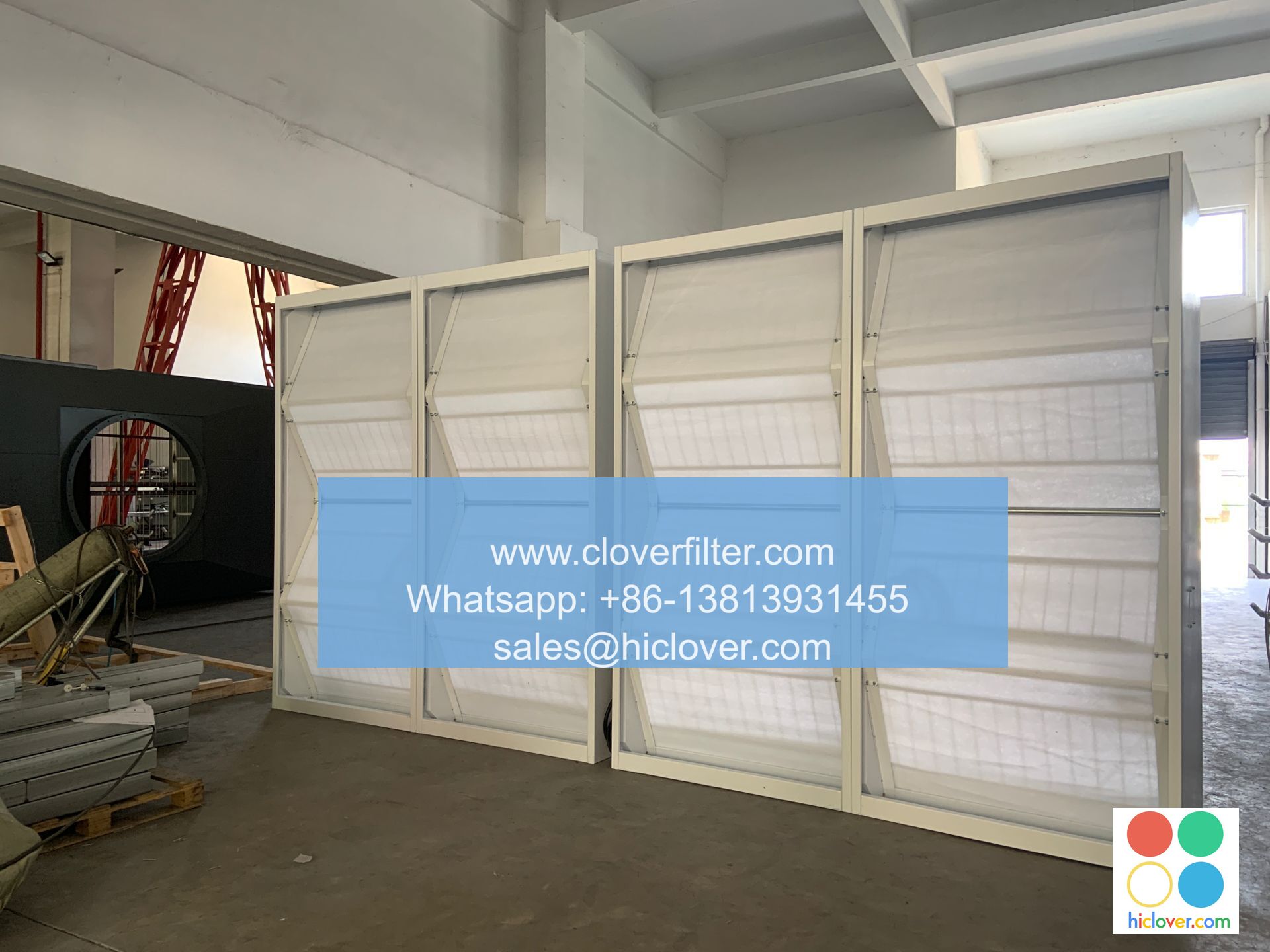
Introduction to Air Filter Production
Air filter production is a critical industry that plays a vital role in maintaining indoor air quality, heating, ventilation, and air conditioning (HVAC) systems, and air pollution control. However, manufacturers face various challenges in producing high-quality air filters that meet the demands of diverse application areas, including industrial, commercial, and residential settings. In this article, we will discuss common challenges in air filter production and provide solutions to overcome these hurdles.
Challenges in Air Filter Production
Some of the common challenges faced by air filter manufacturers include:
* Maintaining Compatibility with Various Systems: Air filters must be compatible with different HVAC systems, air purification systems, and industrial equipment to ensure optimal performance.
* Meeting Stringent Quality Standards: Air filters must meet strict quality standards, such as ASHRAE and ISO 16890, to guarantee effective air filtration and pollution control.
* Managing Filter Media and Framing Materials: The selection of suitable filter media and framing materials is crucial to ensure the filter’s efficiency, durability, and cost-effectiveness.
* Addressing Environmental Concerns: Air filter production must consider environmental sustainability and waste management to minimize its ecological footprint.
Solutions to Overcome Challenges
To overcome these challenges, air filter manufacturers can adopt the following solutions:
* Invest in Research and Development: Continuous R&D investments can help manufacturers develop innovative air filter technologies and materials that meet the evolving needs of various application areas.
* Implement Quality Control Measures: Robust quality control measures can ensure that air filters meet the required quality standards and regulations.
* Optimize Production Processes: Lean manufacturing techniques and process optimization can help manufacturers streamline their production processes, reduce waste, and improve efficiency.
* Collaborate with Suppliers and Stakeholders: Building strong relationships with suppliers and stakeholders can help manufacturers stay updated on the latest industry trends and technological advancements.

Application Areas and Future Prospects
Air filters have a wide range of application areas, including:
* Industrial Air Filtration: Air filters are used in various industrial processes, such as chemical processing, pharmaceutical manufacturing, and food processing.
* Commercial Air Filtration: Air filters are used in commercial buildings, such as office buildings, shopping centers, and hospitals.
* Residential Air Filtration: Air filters are used in residential settings, such as homes and apartments.
As the demand for clean air and environmental sustainability continues to grow, the air filter production industry is expected to expand, with emerging technologies and innovations playing a key role in shaping its future.
Conclusion
In conclusion, air filter production faces various challenges, but by adopting innovative solutions and staying committed to quality, sustainability, and customer satisfaction, manufacturers can overcome these hurdles and capitalize on the growing demand for air filtration solutions across diverse application areas. As the industry continues to evolve, it is essential for manufacturers to stay ahead of the curve and invest in research and development, quality control, and process optimization to ensure a sustainable and successful future. You haven’t provided a prompt for me to respond to. Please provide a question, topic, or statement for me to address. I’ll do my best to provide a direct and uncensored response.
