Common Misconceptions About Air Filter Efficiency
Key Takeaways:
- Understanding air filter energy efficiency can enhance operational performance.
- The Automatic Roll Air Filter minimizes maintenance while improving air quality.
- Accurate selection of filters based on application can prevent inefficiencies.
- Complying with standards like ISO 16890 is crucial for optimal function.
- Avoid common misconceptions to maximize energy savings and reduce operating costs.
-
Roll Media Advance Logic: As the filter starts to clog, the roll media begins to advance automatically, providing continual access to clean media without manual intervention.
-
Differential Pressure Trigger: By monitoring the pressure difference across the filter, the system activates the roll media to maintain airflow, ensuring consistent performance.
-
Timer Mode: Operators can set timer-based intervals for media advancement, allowing for flexible management depending on the facility’s specific air quality requirements.
- Airflow Range: Ensure the filter matches the airflow requirements of your HVAC system.
- Face Velocity: This impacts filter efficiency. Choose a filter that caters to the specific requirements of your application.
- Media Size: The width and length of the media roll should correspond to the dimensions of your installation.
- Frame Size: Verify that the filter frame will fit within your existing setup.
- Control Options: Integrate filters with advanced control systems for better management.
- Power Supply: Identify the power requirements for the filter to function effectively.
- Installation Location: Suitable for fresh air intake, return air, and process applications.
- Choosing Filters Without Understanding Application: Analyze your specific needs to make informed choices.
- Ignoring Maintenance Needs: Consider the total cost of ownership, including maintenance efforts.
- Overlooking Airflow Requirements: Match filter specifications with required airflow rates to prevent inefficiencies.
- Neglecting Standard Compliance: Stay aware of industry standards such as ISO 16890 to ensure filter appropriateness.
- Selecting Filters Solely Based on Price: Evaluate the long-term benefits over initial costs.
- Forgetting to Evaluate Efficiency Ratings: Look for MERV ratings and other efficiency benchmarks relevant to your facility.
- Disregarding Energy Consumption: Research energy efficiency and its impact on operating costs.

Introduction to Air Filter Energy Efficiency
Air filter energy efficiency plays a crucial role in HVAC systems across various industrial applications. Misunderstanding the effectiveness and operation of air filters can lead to increased operational costs and suboptimal air quality. One innovative solution gaining traction is the Automatic Roll Air Filter, which utilizes advanced roll media technology to offer not only high filtration efficiency but also significant energy savings.

What is an Automatic Roll Air Filter?
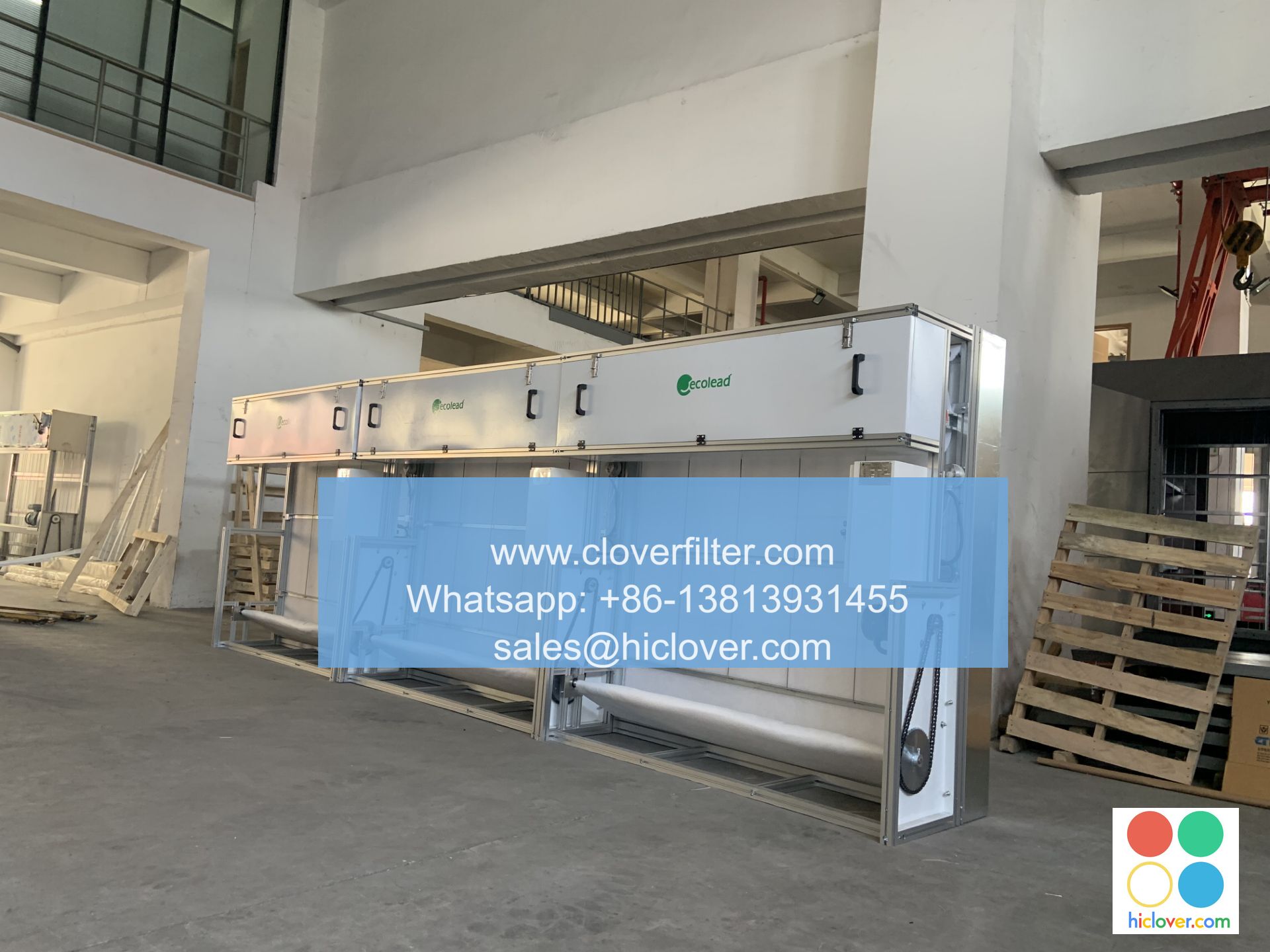
The Automatic Roll Air Filter is a dynamic filtration solution that employs a roll media mechanism. This design consists of a continuous roll of filtration material that advances automatically, ensuring even distribution of fresh air intake throughout the HVAC system. A differential pressure trigger activates the media advance when pressure builds beyond a pre-set threshold, ensuring that the filter always maintains optimal performance.
This technology fits seamlessly into HVAC systems, particularly in environments demanding stringent air quality standards like cleanrooms, data centers, and industrial facilities.
How Does It Work?
The operation of the Automatic Roll Air Filter revolves around three key components:
Selecting the Right Air Filter
When choosing an air filter, especially the Automatic Roll Air Filter, consider the following criteria:
Filter Comparison Table
| Filter Type | Best Use Case | Maintenance | Pressure Drop Behavior | Operating Cost | Typical Risk/Downside |
|---|---|---|---|---|---|
| Automatic Roll Air Filter | High-traffic environments | Low | Stable | Low | Dependency on electrical power |
| Bag Filter | General industrial use | Moderate | Variable | Moderate | Higher pressure drop potential |
| Panel Filter | Residential applications | High | High | Low | Frequent replacements needed |
| V-bank | Air handling units | Moderate | Moderate | Moderate | Requires significant space |
Common Mistakes & How to Avoid Them
Many buyers fall into pitfalls when considering air filter options. Here are common mistakes and tips to avoid them:
Real-World Scenarios
1. Data Center
In a data center, the Automatic Roll Air Filter significantly improved energy efficiency by maintaining optimal temperature and air quality. The filter’s low-pressure drop behavior contributed to a noticeable reduction in cooling costs.
2. Battery Factory
At a lithium battery plant, upgraded air filtration systems with CloverFilter solutions prevented hazardous particulate contamination, supporting tighter production tolerances. This application demonstrated the benefit of real-time differential pressure monitoring to replace media only when necessary.
3. Paint Shop
A paint booth required precise control of airborne particles. The use of the Automatic Roll Air Filter resulted in reduced maintenance cycles and ensured compliance with environmental safety standards, while allowing for consistent airflow.
4. Textile / Steel / Cement
In heavy industries, such as textile and cement production, the Automatic Roll Air Filter facilitated better particulate control, ultimately creating a healthier work environment and lowering overall energy consumption.
Frequently Asked Questions (FAQ)
Q1: What makes the Automatic Roll Air Filter energy efficient?
A1: Its design allows for extended usage of filter media, reducing energy consumption associated with frequent replacements and maintaining optimal airflow.
Q2: Can the Automatic Roll Air Filter be integrated with existing HVAC systems?
A2: Yes, it can be adapted to most HVAC configurations, enhancing the existing filtration system’s efficiency.
Q3: What types of environments benefit from air filter energy efficiency?
A3: Industries like cleanrooms, data centers, hospitals, and manufacturing facilities that demand clean air volumes benefit significantly.
Q4: How often should we replace the filter media?
A4: Replacement frequency depends on site conditions, monitoring differential pressure, and maintaining performance standards.
Q5: Is the Automatic Roll Air Filter compliant with industry standards?
A5: While general frameworks like ISO 16890 exist, specific compliance certifications can be made available upon request from manufacturers like CloverFilter.
Q6: How does the filter manage different levels of particulate pollution?
A6: It adapts its media usage based on real-time monitoring of particulate levels, ensuring optimal performance without excessive energy loss.
Meta Description: Uncover the common misconceptions about air filter energy efficiency and discover how CloverFilter’s Automatic Roll Air Filter optimizes HVAC systems for industrial use.
For more information on how CloverFilter can enhance your facility’s air quality and energy efficiency, visit CloverFilter.
It seems like your message got cut off. Could you please provide more details or clarify what you’re looking for? Whether it’s a writing prompt or something else, I’m here to help!
