Common Mistakes in Air Filter Maintenance and Their Consequences
Key Takeaways
- Effective air filter performance is critical for optimal equipment operation.
- Regular maintenance of air filters reduces energy costs and prolongs equipment lifespan.
- Automatic Roll Air Filters provide advanced filtration and easier maintenance.
- Common errors in filter management can lead to increased operational costs and equipment failure.
- Understanding airflow capabilities and configurations is essential in selecting the right filter.
- Compliance with industry standards like ISO 16890 and MERV enhances air quality management.
- Airflow Range: Ensure the filter can accommodate the system’s required airflow.
- Face Velocity: Identify the appropriate air velocity for optimal filter performance.
- Media Width/Length: Select sizes that fit your existing housing, ensuring no air bypass occurs.
- Frame Size: Ensure compatibility with the installation space within the HVAC system.
- Control Options: Look for filters offering smart controls for easy integration with building management systems.
- Power Supply: Assess the available power supply for operation.
- Installation Location: Determine if the filter will be installed at the fresh air intake, return air point, or within the process area.
- Ignoring Differential Pressure: Neglecting to monitor pressure can cause system inefficiencies.
- Not Scheduling Regular Maintenance: Delayed maintenance leads to decreased air filter performance and increased energy costs.
- Using Improper Filter Sizes: Incorrect sizing can allow air bypass, compromising filtration quality.
- Overlooking Replacement Timelines: Filters should be replaced based on actual usage, not just a set schedule.
- Failing to Inspect for Damage: Regular checks for tears or rips in the filter media can prevent system issues.
- Neglecting to Check Seals: Poor seals can lead to air leakage, reducing overall efficiency.
- Forgetting to Clean the Housing: Dust buildup in the filter housing can affect filter life and performance.
- Choosing the Wrong MERV Rating: Selecting filters with inappropriate ratings can lead to both insufficient filtration and increased pressure drops.
- Inadequate Training for Staff: Ensuring staff is trained on proper maintenance protocols is crucial for optimal performance.
- Not Consulting Professionals: Failing to engage HVAC professionals can result in poor filter selection and placement.
-
Data Center: A facility managing a significant amount of electronic equipment upgraded to Automatic Roll Air Filters. This transition improved air quality, reduced cooling costs, and extended server life through superior particulate control.
-
Lithium Battery Factory: By implementing CloverFilter’s Automatic Roll Air Filters, the factory improved cleanroom conditions, optimizing the manufacturing environment and ensuring compliance with rigorous standards without exceeding maintenance budgets.
-
Paint Shop: In a busy paint shop, the use of Automatic Roll Air Filters curtailed VOC emissions significantly, enhancing employee safety and product quality while aligning with industry sustainability goals.
-
Textile Mill: After switching to CloverFilter systems, the mill achieved a remarkable reduction in dust, contributing to a more efficient operation and compliance with health regulations, all while minimizing downtime through effective maintenance.

Understanding the Automatic Roll Air Filter
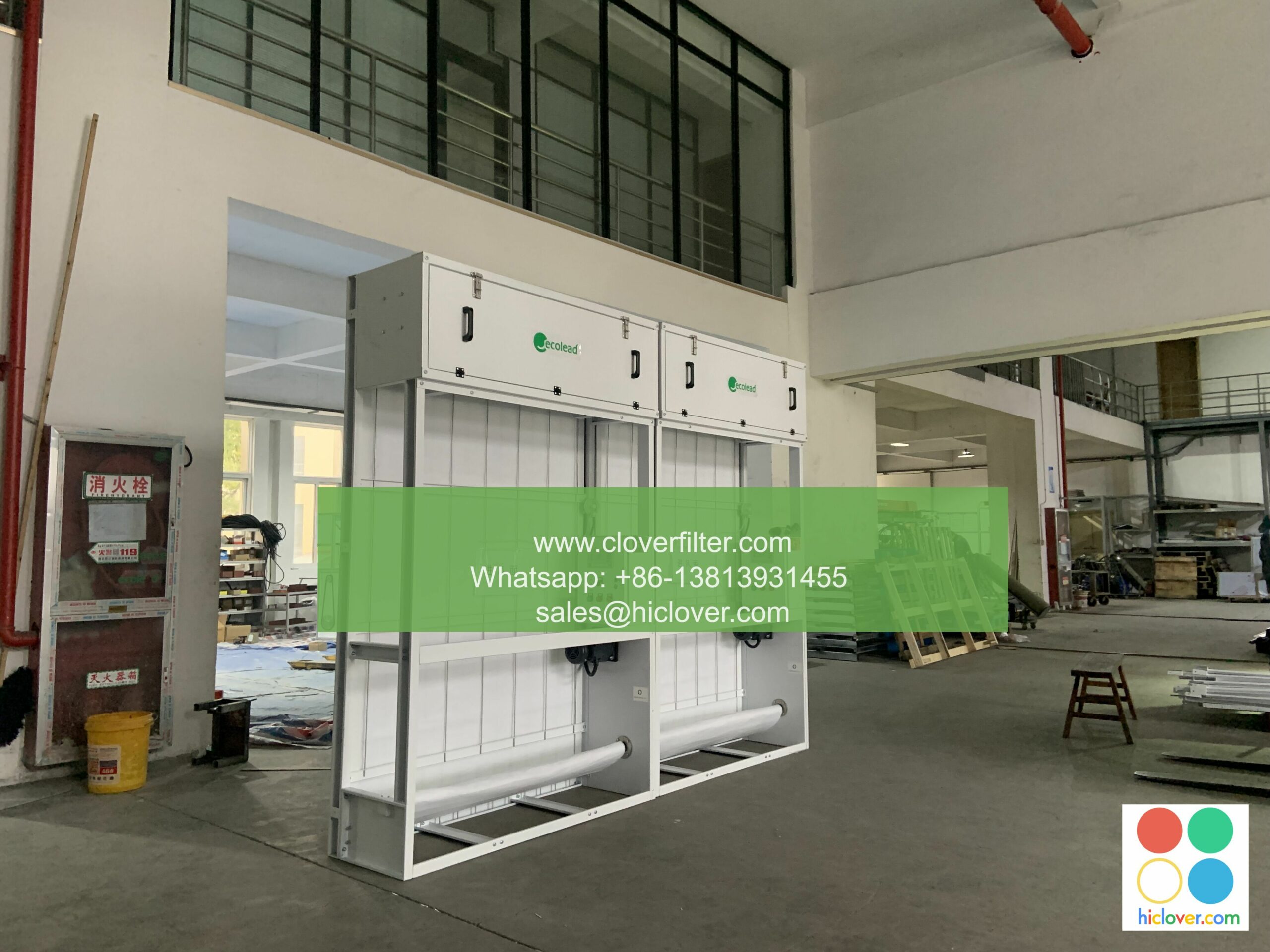
An Automatic Roll Air Filter is a sophisticated air filtration solution designed to enhance air filter performance in HVAC systems. Utilizing a roll media advance logic, it automatically adjusts the filter media position based on the differential pressure detected in the system. This means that as dirt accumulates, the filter rolls forward, exposing fresh, clean media as required, ensuring optimal air quality continuously.

These filters fit seamlessly into HVAC and Air Handling Units (AHUs), providing reliable filtration for applications such as fresh air intake, make-up air systems, and return air processes. The timer mode of operation allows for precise control and scheduling, thus optimizing maintenance intervals and reducing operational costs.
Selecting the Right Automatic Roll Air Filter
When choosing an Automatic Roll Air Filter, consider the following factors:
Comparison of Air Filter Types
| Filter Type | Best Use Case | Maintenance | Pressure Drop Behavior | Operating Cost | Typical Risk/Downside |
|---|---|---|---|---|---|
| Automatic Roll Filter | High dust load environments | Low | Moderate to Low | Low | Mechanical failures |
| Bag Filter | Large industrial applications | Moderate | High | Moderate to High | Clogging and limited airflow |
| Panel Filter | Light commercial environments | High | Moderate | Moderate | Frequent replacement needed |
| V-bank Filter | Variable air volume systems | Moderate | Low | Moderate | Space constraints |
Common Mistakes & How to Avoid Them
Real-World Scenarios
Frequently Asked Questions (FAQ)
Q1: What is the ideal maintenance schedule for an Automatic Roll Air Filter?
A1: Regular checks every 4-6 weeks are recommended, depending on the airflow conditions and particulate load.
Q2: How does an Automatic Roll Air Filter affect energy consumption?
A2: It optimizes airflow and reduces pressure drops, leading to significant energy savings over time.
Q3: Can I install an Automatic Roll Air Filter in existing HVAC systems?
A3: Yes, they can be retrofitted into most existing HVAC setups, provided the specifications match.
Q4: What is the cost difference compared to traditional filters?
A4: While initial costs may be higher, long-term savings in energy and maintenance make it a cost-effective choice.
Q5: How do I determine the right MERV rating for my facility?
A5: Assess the air quality requirements of your environment and consult with a filtration expert for appropriate recommendations.
Q6: Can CloverFilter products comply with ISO 16890 standards?
A6: CloverFilter products are designed to meet industry standards; specific compliance documentation is available upon request.
Q7: How often should I check the differential pressure of my filters?
A7: It’s advisable to monitor differential pressure readings at least bi-weekly to ensure optimal filter performance.
Q8: What are the benefits of using filters with a higher MERV rating?
A8: A higher MERV rating means better particulate control, which is crucial for maintaining clean air in sensitive environments.
Q9: Is it possible to use Automatic Roll Air Filters in a hospital setting?
A9: Yes, these filters are suitable for hospitals, providing clean air vital for patient care and health compliance.
Q10: Where can I find more information about CloverFilter products?
A10: More details can be found on CloverFilter’s website.
Conclusion
Maintaining optimal air filter performance is essential in demanding industrial environments. By avoiding common mistakes and investing in reliable solutions like CloverFilter’s Automatic Roll Air Filter, facility managers can achieve cleaner air, lower energy costs, and improved overall operations. For more information on how to enhance your air filtration system, visit CloverFilter or reach out via our contact page.
Meta Description: Discover common mistakes in air filter maintenance, their impact on air filter performance, and learn how CloverFilter’s Automatic Roll Air Filter can enhance your system.
It looks like you entered “Prompt” without any context. Could you please provide a bit more detail or clarify what you’re looking for? Are you looking for writing prompts, ideas for a project, questions to ask, or something else entirely? Let me know how I can assist you!
