Comparative Analysis: Manual vs. Automatic Roll Air Filters in Electronics Assembly
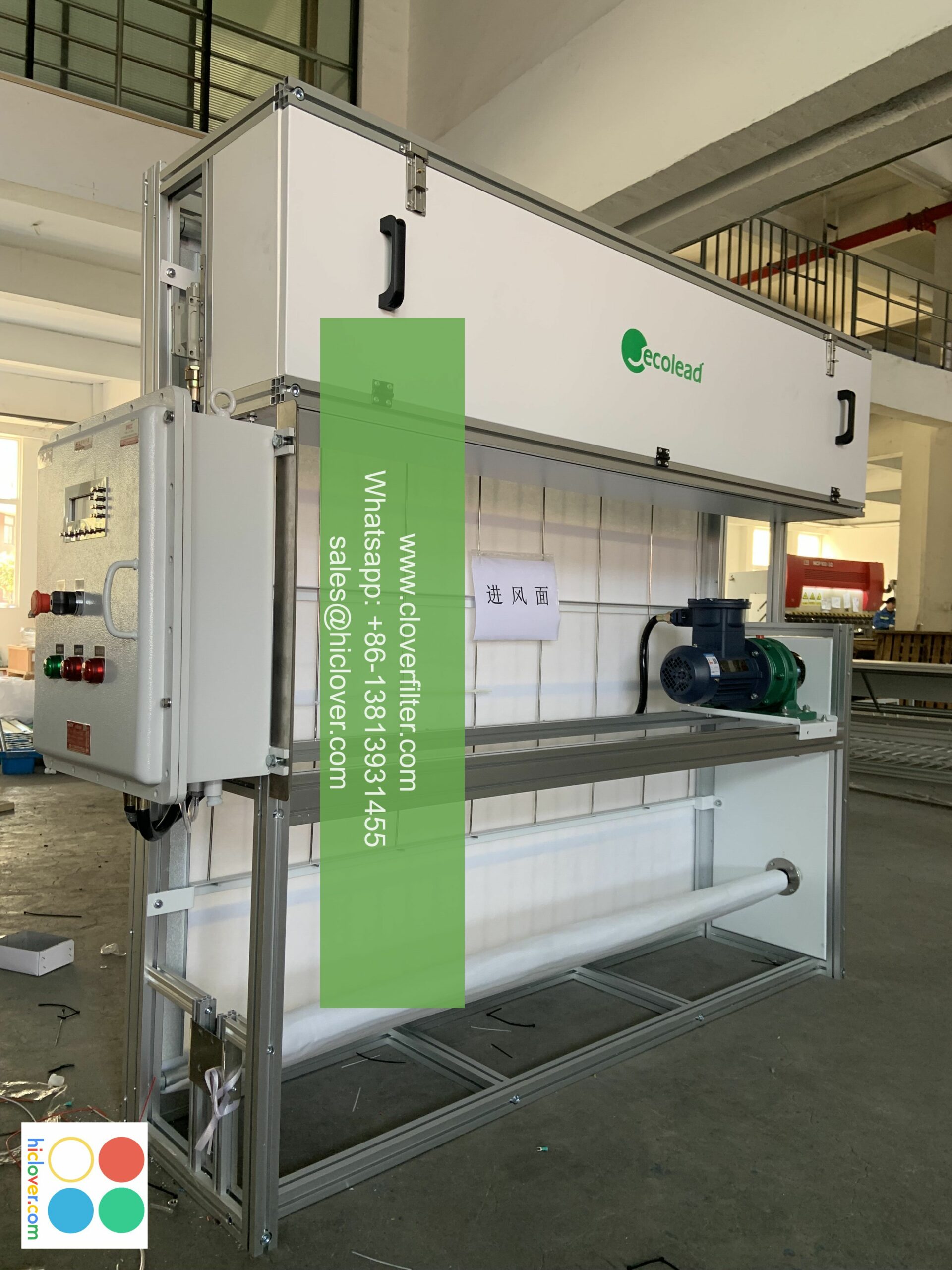
The electronics assembly industry thrives on maintaining optimal environmental conditions to ensure quality manufacturing processes. A vital aspect of this is the use of air filters, particularly roll air filters, which can be classified into manual and automatic systems. This article delves into a comparative analysis of both types to highlight their applications, advantages, and limitations.
Understanding Roll Air Filters

Roll air filters are designed to trap particulate matter and control air quality, which is crucial in cleanroom environments. These filters come in various grades, based on specifications like efficiency and sizing, and are used extensively in industries such as electronics, pharmaceuticals, and biotechnology.
Manual Roll Air Filters
Manual roll air filters require human intervention for installation, maintenance, and replacement. Key characteristics include:
- Cost-Effective: Generally cheaper to purchase and maintain.
- Flexibility: Easy to adapt for specific needs, as the replacement process is manageable.
- Human Oversight: Allows for direct observation of the filtration process, enhancing quality control.
- Small-scale Electronics Assembly: Ideal for workshops or small factories.
- Maintenance Operations: Often used in existing setups where automation is not feasible.
- Specialized Environments: Environments requiring tailored filtration solutions.
- Efficiency: Provide consistent air quality due to automated monitoring.
- Time-saving: Reduce labor costs by minimizing the need for manual intervention.
- Advanced Features: Often equipped with sensors and alarms that alert for filter changes or maintenance needs.
- Large-scale Manufacturing Plants: Essential in high-volume assembly lines to maintain stringent air quality standards.
- Data Centers: Help ensure optimal conditions for electronic cooling and equipment performance.
- Research Laboratories: Crucial in environments requiring precise atmospheric conditions to protect sensitive equipment.
Applications of Manual Roll Air Filters
Manual roll air filters are widely utilized in:
Automatic Roll Air Filters
Automatic roll air filters are mechanized systems designed to perform filtration tasks with minimal human intervention. Their features include:
Applications of Automatic Roll Air Filters
These filters are predominantly used in:
Comparative Analysis
When determining the suitability of manual versus automatic roll air filters, several factors come into play:
| Feature | Manual Roll Air Filters | Automatic Roll Air Filters |
|---|---|---|
| Cost | Lower Initial Investment | Higher Initial Investment |
| Maintenance | Requires Regular Human Oversight | Automated Monitoring and Alerts |
| Efficiency | Varies based on human capability | Consistent and Reliable |
| Flexibility | High Adaptability | Fixed, yet efficient under standard conditions |
Conclusion
In conclusion, both manual and automatic roll air filters play essential roles in ensuring air quality in the electronics assembly sector and beyond. The choice between the two largely depends on specific operational needs, budget constraints, and the scale of production. Manufacturing industries must carefully evaluate their air filtration requirements to select the most appropriate solution, particularly in environments where contamination control is paramount.
It looks like your message may have gotten cut off. Could you please provide more details or clarify what you’re looking for? Whether it’s a writing prompt, a question, or something else, I’m here to help!
