Comparative Analysis: Roll Air Filters vs. Traditional Air Filters in Data Centers
Data centers are the backbone of today’s digital infrastructure. They house extensive IT equipment that generates substantial heat and dust, creating a critical need for effective air filtration systems. This article provides a comparative analysis of Roll Air Filters and Traditional Air Filters, highlighting their efficiencies, applications, and crucial differences in performance.
Understanding Air Filters in Data Centers
Air filters play a pivotal role in maintaining the optimal operating environment for servers and networking equipment. Dust and particulate matter can impair the operation of sensitive equipment and lead to overheating. Effective air filtration ensures the sustainability and efficiency of data centers.
What are Roll Air Filters?
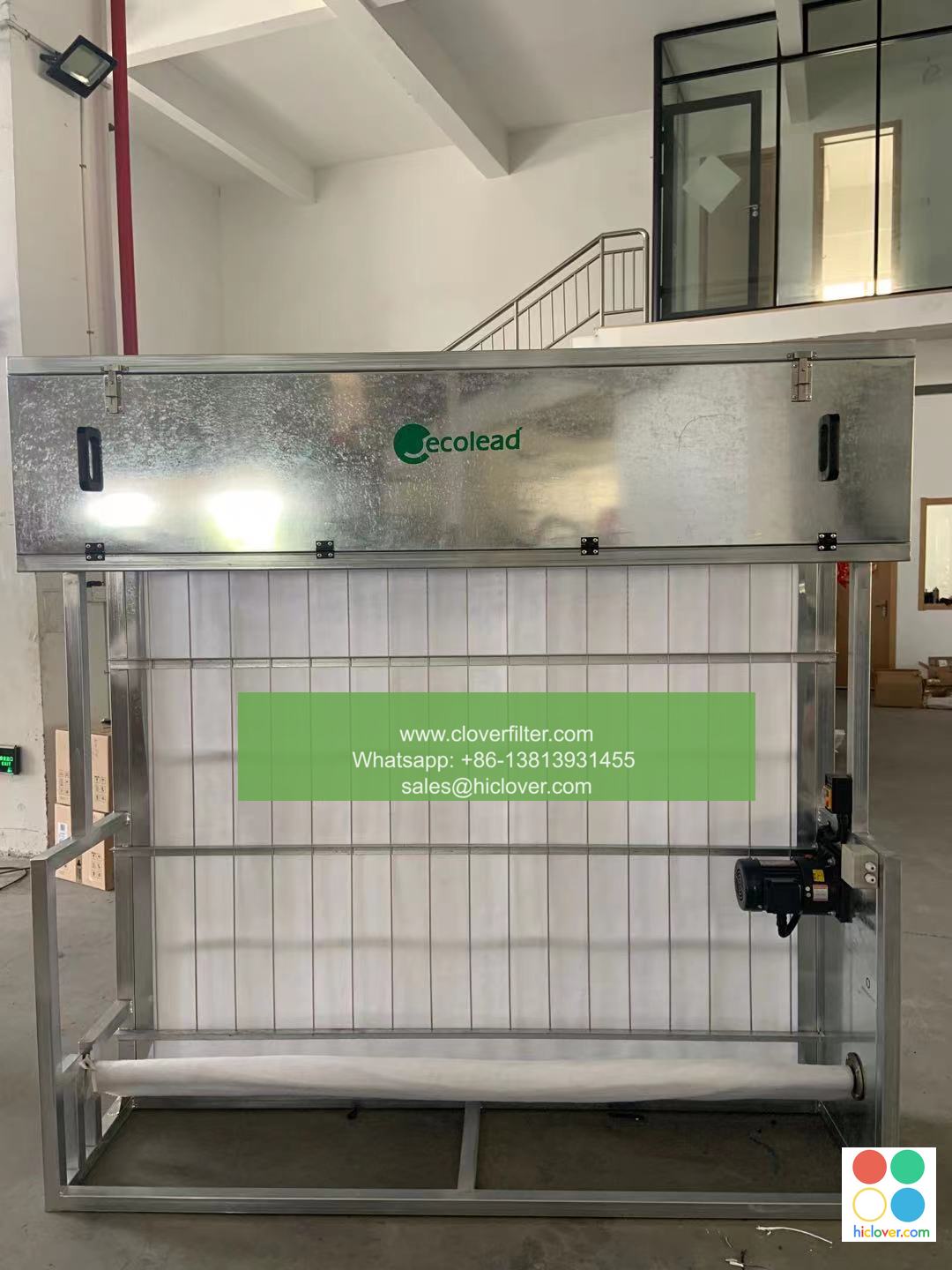
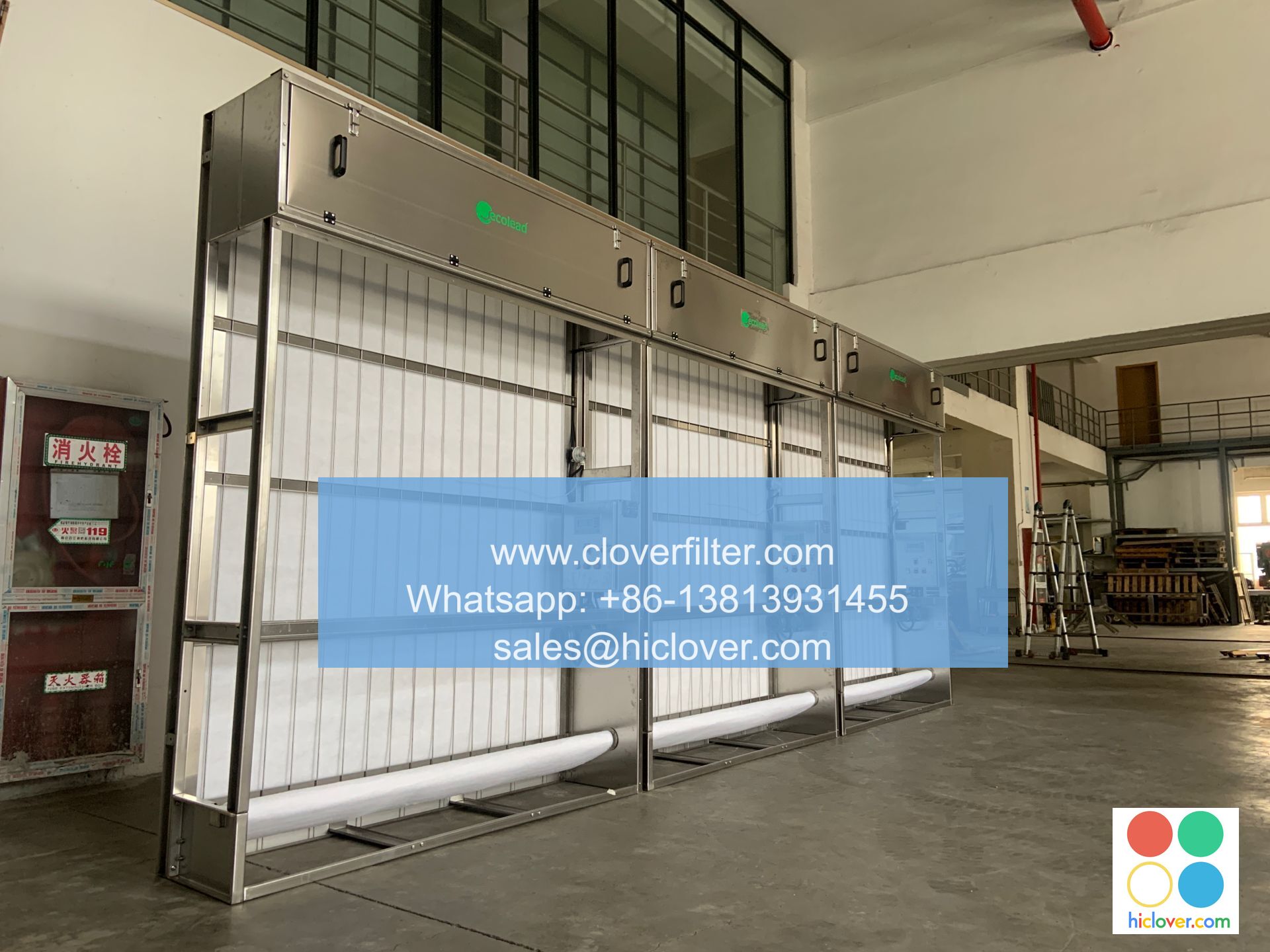
Roll Air Filters feature a continuous roll of filter media that is easily replaced as needed. These filters have a larger surface area which allows for efficient air flow and trapping of contaminants. They are designed for high-volume applications where enhanced filtration performance is required.
What are Traditional Air Filters?
Traditional Air Filters typically come in framed designs with fixed dimensions. They are widely used in HVAC systems and air purification devices. These filters generally provide satisfactory filtration, but their performance can wane over time due to limited surface area.

Comparative Analysis
1. Efficiency of Filtration
Roll Air Filters typically offer a higher filtration efficiency due to their larger surface area, allowing for more effective trapping of dust and particles. Traditional air filters, while effective to an extent, may clog more quickly and require more frequent replacements.
2. Maintenance and Replacement
When it comes to maintenance, Roll Air Filters simplify the process. With their continuous roll design, changing the filter involves less time and labor. In contrast, Traditional Air Filters require complete removal and disposal, which can be cumbersome in a high-traffic environment like a data center.
3. Cost Implications
Although Roll Air Filters may have a higher initial cost, their longevity and efficiency can lead to cost savings in the long run. Traditional Air Filters, while cheaper upfront, often lead to increased maintenance costs and higher frequency of replacements.
4. Environmental Impact
The use of Roll Air Filters can be more environmentally friendly, as they generate less waste due to their longer lifespan and reduced disposal frequency. Traditional filters may contribute to a larger environmental footprint due to more frequent replacements.
Application Areas in Data Centers
The selection of the appropriate air filter type can vary based on specific data center applications:
- High-density setups: Roll Air Filters are particularly suited for facilities with high-density server configurations where air distribution is critical.
- Energy efficiency initiatives: Incorporating Roll Air Filters might help meet LEED certification requirements due to their lower energy demands related to HVAC systems.
- Dust-sensitive environments: For environments particularly susceptible to dust and particulate matter, such as industrial data centers, Roll Air Filters provide superior protection.
Conclusion
As data centers continue to evolve, the demand for effective air filtration systems heightens. The comparative analysis between Roll Air Filters and Traditional Air Filters reveals that while both have their merits, Roll Air Filters generally offer superior performance in key metrics such as efficiency, maintenance, and environmental sustainability. Data center operators should carefully consider their unique requirements and the long-term implications of their filter choices to optimize operational efficiency.
It seems like your message was cut off. Could you please provide more details or clarify what prompt you would like assistance with?
