Comparing Different Air Filter Assembly Techniques
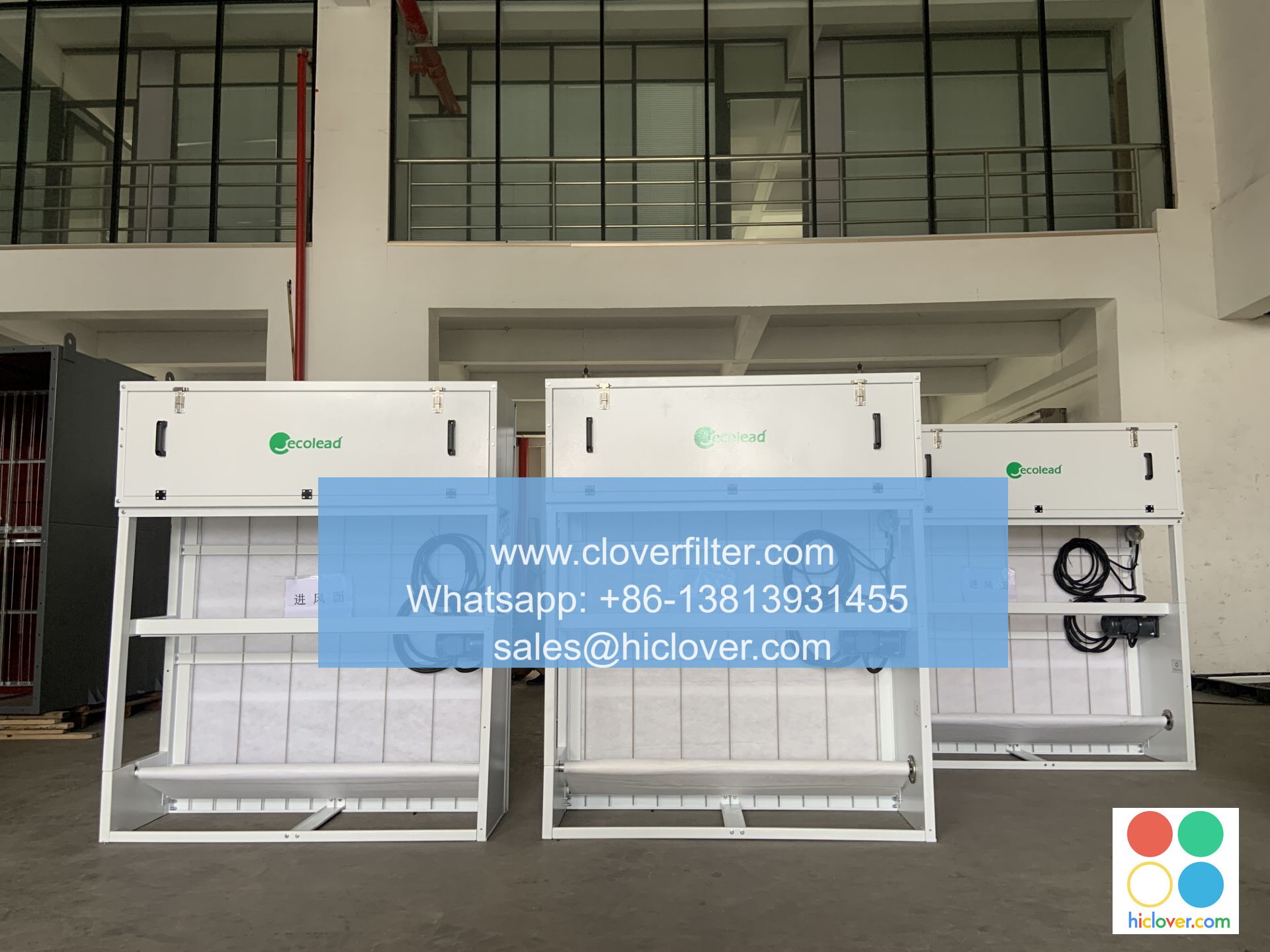
Key Takeaways:
- Understanding air filter assembly techniques is crucial for maintaining optimal air quality.
- Automatic Roll Air Filters excel in efficiency and maintenance reduction.
- Selecting the right air filter relies on airflow, media dimensions, and installation location.
- Regular performance evaluation is vital to ensure cost-effectiveness.
- Compliance with ISO 16890 / MERV standards is important for quality assurance.
- Roll Media Advance Logic: This system automatically advances the filter media when a set differential pressure is detected. This ensures that the filter maintains optimal efficiency and air quality levels.
- Differential Pressure Trigger: When the pressure drop across the filter media reaches a specified threshold, the roll mechanism activates, providing fresh media exposure to maintain airflow.
- Timer Mode: In automated environments, this mode can be programmed to advance the media at defined intervals, irrespective of differential pressure readings.
- Airflow Range: Ensure the filter is capable of handling the expected airflow for your application.
- Face Velocity: This impacts filtration efficiency; aim for a face velocity compatible with the specific operational requirements.
- Media Width/Length: Depending on the installation space and architecture of your HVAC system, select appropriate dimensions.
- Frame Size: Confirm compatibility with existing systems to avoid installation challenges.
- Control Options: Automated control systems enhance operational efficiency.
- Power Supply: Verify the power requirements and ensure they align with local infrastructure.
- Installation Location: Consider placement in fresh air intake, return, or process airflow for optimal results.
- Neglecting Regular Maintenance: Regularly check and replace filters to ensure efficiency.
- Choosing Incorrect Dimensions: Always measure before selecting filters to avoid compatibility issues.
- Ignoring Manufacturer Guidelines: Follow specifications from CloverFilter to optimize performance.
- Underestimating Airflow Needs: Calculate necessary airflow accurately for your application.
- Not Considering Local Codes: Be aware of HVAC installation regulations in your area.
- Failing to Monitor Performance: Use pressure gauges to regularly assess filter functionality.
- Using Filters Not Designed for Your Environment: Select filters appropriate for specific industrial applications.
- Overlooking Energy Consumption: Consider energy costs in addition to initial filter costs.
- Choosing Filters Based Solely on Price: Balance cost with quality and longevity.
- Delaying Replacement of Dirty Filters: Act promptly to maintain air quality and system efficiency.

Air filter assembly plays a pivotal role in industrial HVAC systems, ensuring proper air quality and protection for equipment and personnel. In environments such as data centers, battery plants, and hospitals, effective air filtration is crucial. This article focuses on comparing various air filter assembly techniques, highlighting the benefits of the Automatic Roll Air Filter from CloverFilter and offering practical guidance for procurement managers and HVAC engineers.
What is an Automatic Roll Air Filter?
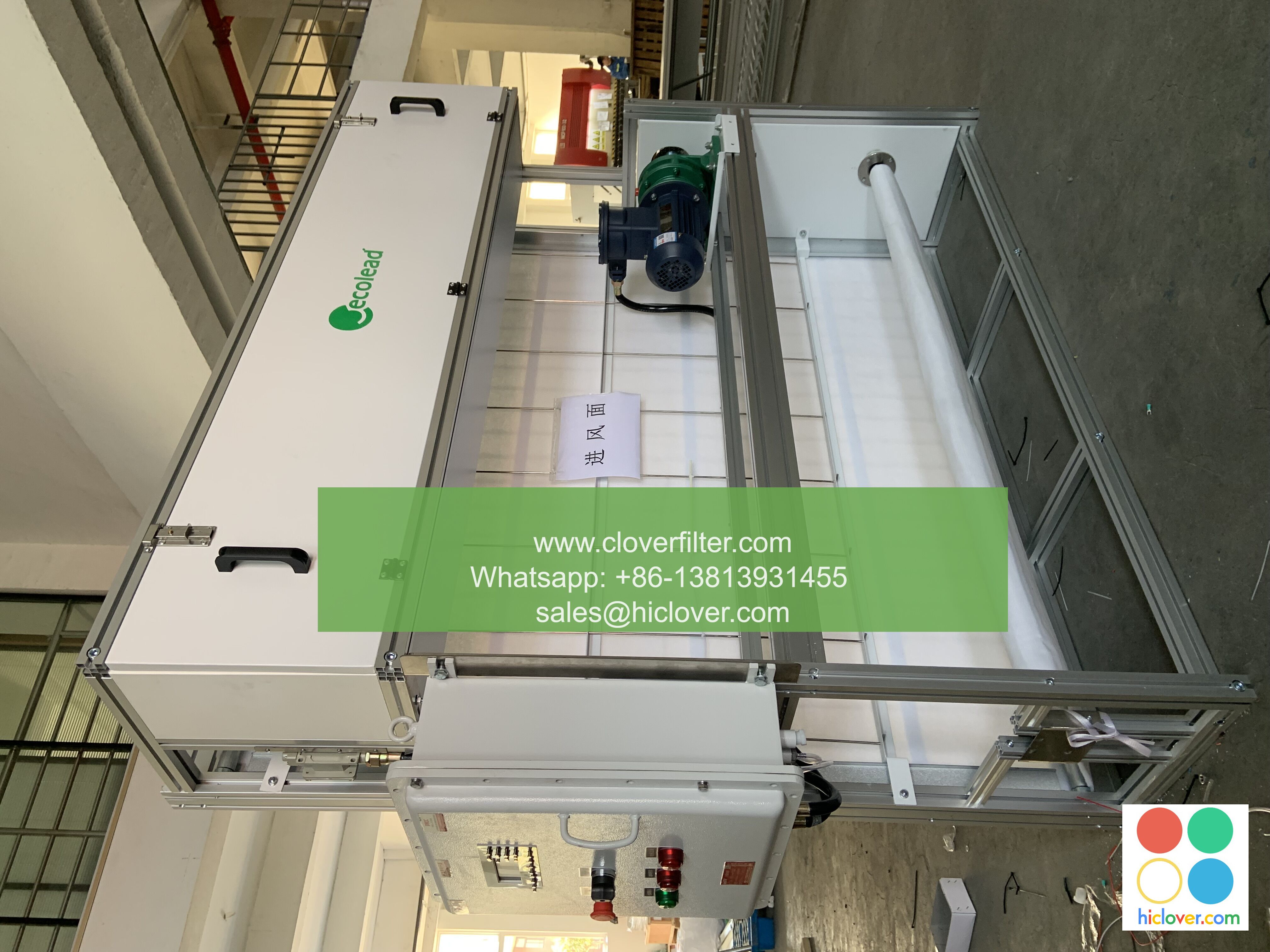
An Automatic Roll Air Filter is a cutting-edge filtration solution designed to optimize airflow while minimizing maintenance. Utilizing a roll media advance logic, it automatically adjusts to changes in differential pressure, ensuring consistent air quality. This filter can be employed in various HVAC applications, functioning best in fresh air intakes, air handling unit (AHU) prefilters, and make-up air setups.
How It Works
The Automatic Roll Air Filter operates on a straightforward yet highly efficient mechanism:
Incorporating this innovative air filter assembly into HVAC systems not only enhances performance but also leads to significant energy savings and maintenance reduction.
Practical Selection Guide
When choosing an air filter assembly, consider these essential parameters to ensure optimal performance:
The Automatic Roll Air Filter from CloverFilter is an ideal choice for meeting these criteria while ensuring industry compliance.
Comparison of Different Air Filter Assembly Techniques
| Type | Best Use Case | Maintenance | Pressure Drop Behavior | Operating Cost | Typical Risk/Downside |
|---|---|---|---|---|---|
| Automatic Roll Air Filter | High traffic areas, industrial applications | Low | Stable with differential adjustment | Moderate | Initial setup cost can be higher |
| Bag Filter | General-purpose filtration | Moderate | Increases with dirt load | Low to moderate | Requires replacement during maintenance |
| Panel Filter | Standard commercial spaces | Moderate | Linear pressure drop | Low | Short lifespan, frequent replacements |
| V-Bank | Heavy-duty filtration | High | Non-linear as dirt accumulates | High | Might require additional support frame |
Common Mistakes & How to Avoid Them
Real-World Scenarios
Data Center
A large data center implemented CloverFilter’s Automatic Roll Air Filters due to the need for stringent air quality control. The filters maintained optimal airflow levels while reducing energy consumption by 20%, directly impacting operational costs.
Lithium Battery Factory
In a lithium battery production facility, the Automatic Roll Air Filter was installed at the fresh air intake. The automatic advancement of the roll media minimized maintenance labor, allowing for continuous operation without significant downtime.
Paint Shop
A paint shop transitioned from traditional panel filters to the Automatic Roll Air Filter to address air quality concerns. The result was a significant reduction in particulate matter and VOCs (volatile organic compounds), improving worker safety and compliance with environmental regulations.
Textile/Cement Plant
In a textile mill, integrating CloverFilter’s Automatic Roll Air Filter in the return air ducts helped maintain a clean environment crucial for product quality. The filter’s low-pressure drop behavior minimized energy use while ensuring consistent particulate control.
Frequently Asked Questions (FAQ)
What is an Automatic Roll Air Filter?
An Automatic Roll Air Filter is a self-adjusting filter solution that optimizes airflow and minimizes maintenance through an advanced roll media mechanism.
How does differential pressure affect filter performance?
Differential pressure helps assess how clogged the filter is, triggering media advancement to maintain airflow and system efficiency.
What distinguishes the Automatic Roll Air Filter from other types?
It features an automatic roll media advancement system, reducing maintenance and ensuring consistent air quality, a significant advantage over static filters.
What are the typical applications for these filters?
They are commonly used in data centers, industrial facilities, hospitals, cleanrooms, and anywhere stringent air quality is necessary.
Are these filters compliant with industry standards?
The Automatic Roll Air Filter meets general industry frameworks like ISO 16890 and MERV, though specific certifications are available on request.
How often should filters be replaced?
It depends on the application and airborne particulate levels, but they should be monitored regularly using differential pressure gauges.
What maintenance is required?
Routine checks of system performance and timely media advancement will minimize downtime and ensure optimal filter functionality.
How is airflow measured for filters?
Airflow is typically measured in cubic feet per minute (CFM), reflecting how much air passes through the filter system.
What should I consider when choosing a filter?
Focus on airflow range, media dimensions, control options, and the specific requirements of your HVAC system to select the most effective filter.
Meta Description: Discover the different air filter assembly techniques and learn about the advantages of Automatic Roll Air Filters from CloverFilter to optimize your industrial HVAC.
For experienced guidance on air filter assembly and to explore the benefits of the Automatic Roll Air Filter, reach out to CloverFilter through this contact form.
It seems like you might be looking for a specific prompt. Could you please provide more details or clarify what kind of prompt you’re interested in? For example, are you looking for a writing prompt, a question to spark conversation, or something else?
