Comparing Disposable Roll Air Filters with Traditional Filters: What You Need to Know
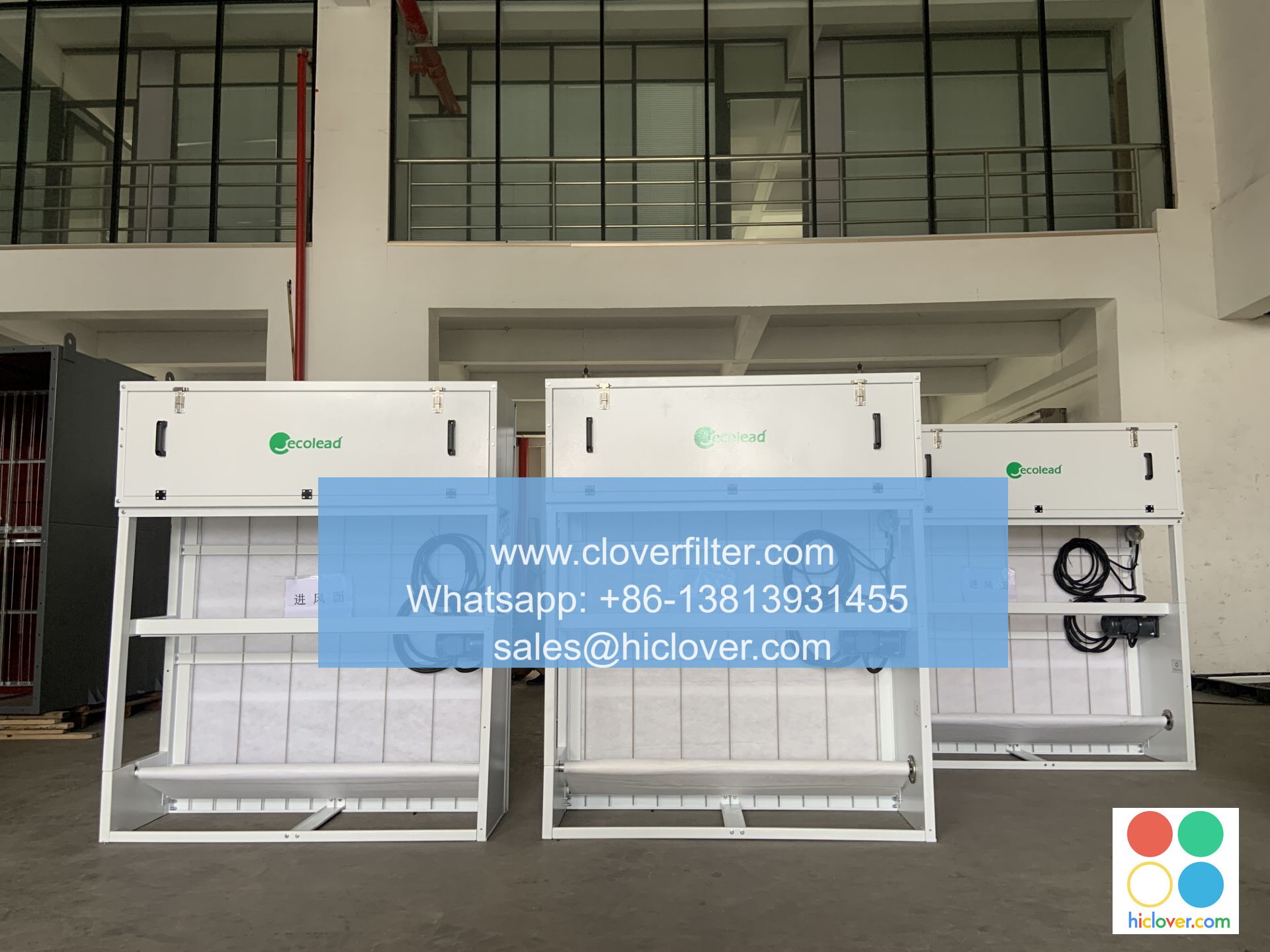
Understanding the Basics of Air Filters
Air filters are essential components in various systems, helping to purify the air by trapping dust, pollen, and other airborne contaminants. Among the various types available, disposable roll air filters and traditional filters are two prominent options.

What Are Disposable Roll Air Filters?
Disposable roll air filters are continuous rolls of filter material that can be cut to the required size. They are designed for one-time use and are typically made from synthetic fibers, which efficiently capture particulates and contaminants. These filters are particularly popular in larger HVAC systems, commercial buildings, and manufacturing environments.
Characteristics of Traditional Filters
Traditional filters, often made of fiberglass or activated carbon, can be either reusable or disposable. They come in various shapes and sizes and are widely used in residential HVAC systems, cars, and other air filtration applications.
Key Comparisons: Disposable Roll Air Filters vs. Traditional Filters
1. Cost and Investment

Disposable roll air filters tend to have a lower upfront cost due to their mass production and the simplicity of using them in bulk. In contrast, traditional filters, especially high-efficiency particulate air (HEPA) filters, can be more expensive, but they may offer better performance in terms of filtration efficiency.
2. Maintenance and Replacement
Disposable roll filters require minimal maintenance—once they become dirty, they can be easily replaced. Traditional filters may require regular cleaning for reusable options or monitoring for replacement needs, which can add to maintenance costs over time.
3. Filtration Efficiency
While disposable roll air filters are designed to capture larger particles effectively, traditional filters often provide superior filtration efficiency, especially for smaller particles. This is crucial in sensitive environments, such as medical facilities, where air quality is paramount.
4. Environmental Impact
The environmental impact of disposable roll air filters is a consideration, as they contribute to waste after one-use. Traditional filters may be reusable, which offers an eco-friendlier approach but is dependent on the user’s diligence in maintaining them.
Application Areas for Each Filter Type
Commercial and Industrial Applications
Disposable roll air filters are widely used in industrial ventilation systems, where large volumes of air must be filtered evenly and efficiently. These filters are beneficial for manufacturing processes that generate a high level of dust and particulates.
Residential Use
In residential settings, traditional filters are favored in central heating and cooling systems for their proven ability to maintain air quality. Homeowners often choose HEPA filters to combat allergens and irritants indoors.
Healthcare Environments
Both filter types have significant roles in healthcare. Disposable roll air filters may be utilized in HVAC systems for larger hospitals, while traditional HEPA filters are commonly found in surgical theaters and patient care areas to ensure a sterile environment.
Conclusion: Choosing the Right Filter for Your Needs
When selecting between disposable roll air filters and traditional filters, consider factors such as cost, maintenance, filtration efficiency, and specific application needs. Each type has its advantages and ideal use cases, making it crucial to assess your unique air quality requirements to make the best decision for your situation.
Of course! Please provide more details about the prompt you’d like me to help with. Whether it’s a creative writing prompt, a topic for discussion, or something else entirely, I’m here to assist!
