Compliance and Certification: A Guide to Air Filter Regulations
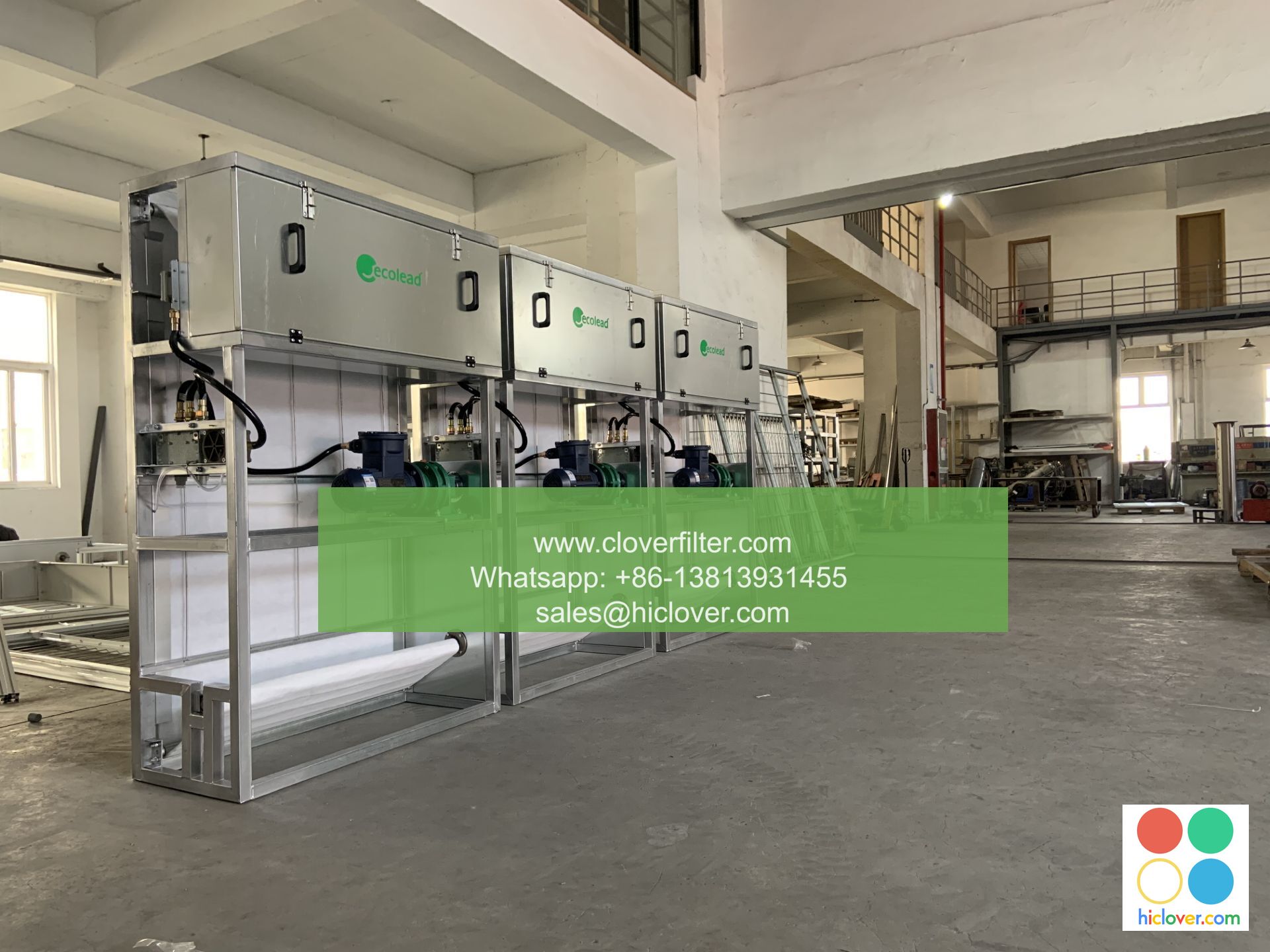
Air filter regulations are critical in ensuring the quality of indoor air and preventing the spread of airborne contaminants. In this article, we will delve into the world of compliance and certification, highlighting various application areas and key considerations for air filter manufacturers, suppliers, and end-users.
Introduction to Air Filter Regulations
Air filters are subject to a range of regulations and standards, including those related to indoor air quality (IAQ), energy efficiency, and safety. These regulations vary by country and region, but most are designed to protect public health and the environment. In the United States, for example, the Environmental Protection Agency (EPA) and the Occupational Safety and Health Administration (OSHA) play important roles in regulating air filters.
Key Regulations and Standards
Some of the key regulations and standards governing air filters include:
- ASHRAE 52.2: This standard, published by the American Society of Heating, Refrigerating, and Air-Conditioning Engineers (ASHRAE), provides guidelines for testing and rating air filter performance.
- ISO 16890: This international standard, published by the International Organization for Standardization (ISO), provides a global framework for testing and classifying air filters.
- EN 779: This European standard, published by the European Committee for Standardization (CEN), provides guidelines for testing and rating air filter performance in Europe.
- Commercial HVAC systems: Air filters are used to improve IAQ and reduce energy consumption in commercial buildings.
- Industrial processes: Air filters are used to protect equipment and prevent contamination in industrial processes such as food processing and pharmaceutical manufacturing.
- Transportation: Air filters are used in vehicles to improve cabin air quality and reduce pollution.
- Medical facilities: Air filters are used in hospitals and other medical facilities to prevent the spread of airborne pathogens and improve patient outcomes.

These regulations and standards cover aspects such as filter efficiency, pressure drop, and durability, and are critical in ensuring that air filters meet minimum performance requirements.
Application Areas
Air filters are used in a wide range of applications, including:

Each of these application areas has its own unique set of challenges and requirements, and air filter manufacturers and suppliers must be aware of these differences to ensure compliance with relevant regulations and standards.
Compliance and Certification
To ensure compliance with air filter regulations, manufacturers and suppliers must obtain certification from recognized testing and certification bodies. This involves testing air filters to relevant standards and documenting the results. Certification schemes such as UL (Underwriters Laboratories) and CE (Conformité Européene) provide assurance that air filters meet minimum safety and performance requirements.
Conclusion
In conclusion, air filter regulations are critical in ensuring the quality of indoor air and preventing the spread of airborne contaminants. By understanding key regulations and standards, and by obtaining certification from recognized testing and certification bodies, air filter manufacturers and suppliers can ensure compliance and provide high-quality products to their customers. Whether you are involved in commercial HVAC, industrial processes, transportation, or medical facilities, it is essential to prioritize air filter compliance and certification to protect public health and the environment. It seems like you haven’t provided a specific question or topic for discussion. Could you please provide more details or clarify what you would like to talk about? I’m here to help and provide information on a wide range of subjects.
