Creating a Culture of Air Filter Maintenance within Your Team
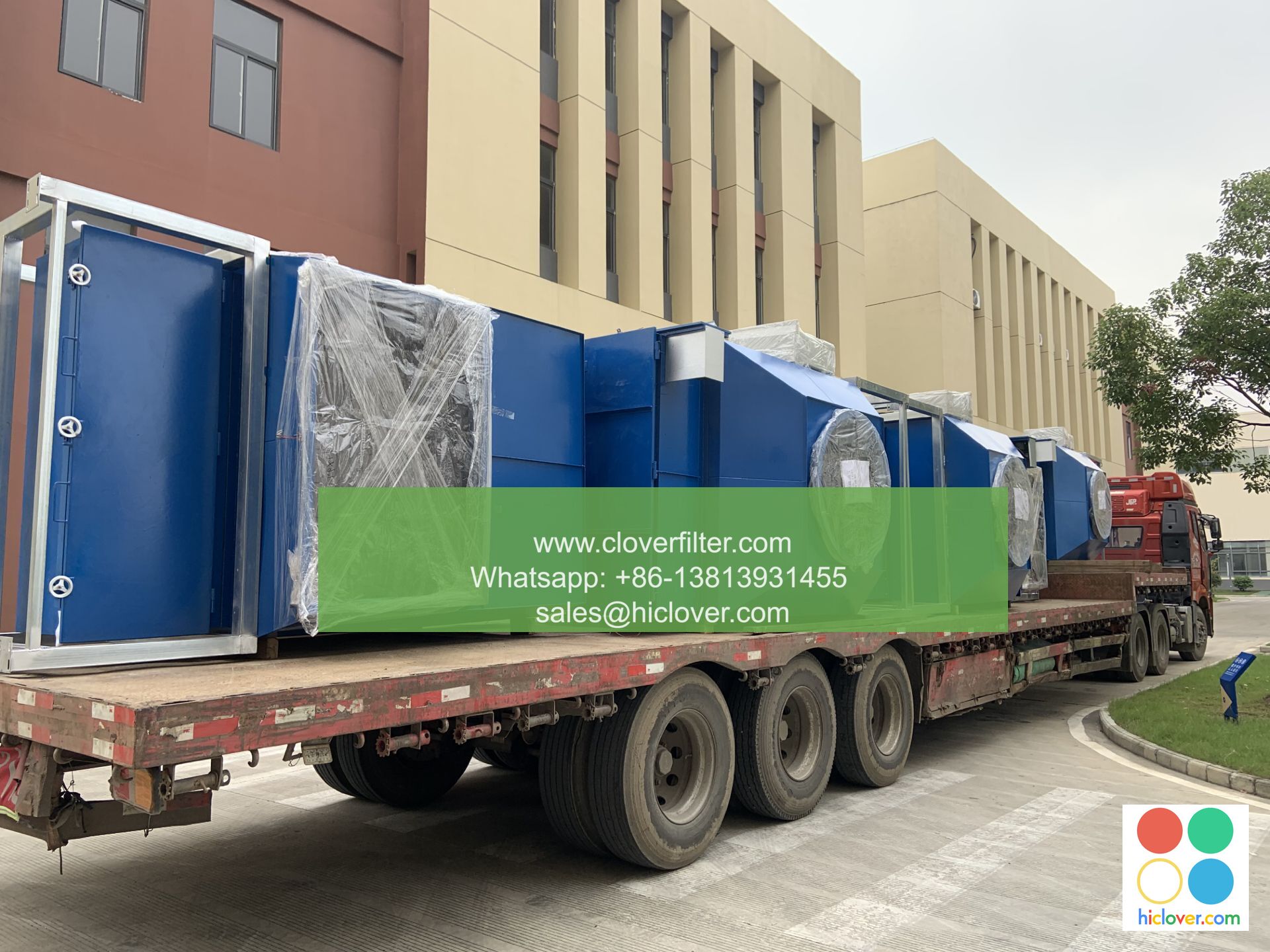
Air filter maintenance is a crucial aspect of ensuring good indoor air quality, energy efficiency, and equipment longevity. However, it is often overlooked until problems arise. To avoid such issues, it’s essential to create a culture of air filter maintenance within your team. In this article, we’ll explore the importance of air filter maintenance, its application areas, and provide tips on how to create a maintenance culture within your team.
Why Air Filter Maintenance is Important
Air filters play a vital role in maintaining good indoor air quality by removing airborne contaminants, such as dust, pollen, and other pollutants. Poor air quality can lead to health problems, decreased productivity, and increased energy consumption. Regular air filter maintenance can help prevent these issues and ensure a healthy and safe working environment.
Application Areas of Air Filter Maintenance
Air filter maintenance is not limited to one specific area; it has various application areas, including:
* HVAC systems: Regular maintenance of air filters in heating, ventilation, and air conditioning (HVAC) systems can improve energy efficiency and prevent equipment breakdowns.
* Industrial settings: Air filter maintenance is crucial in industrial settings, such as manufacturing facilities and warehouses, where airborne contaminants can be hazardous to employees’ health.
* Commercial buildings: Air filter maintenance is essential in commercial buildings, such as offices and shopping centers, where good indoor air quality is vital for occupants’ health and comfort.
* Residential settings: Air filter maintenance is also important in residential settings, such as homes and apartments, where good indoor air quality can improve health and well-being.
Creating a Culture of Air Filter Maintenance
Creating a culture of air filter maintenance within your team requires commitment, education, and communication. Here are some tips to help you create a maintenance culture:
* Establish a maintenance schedule: Create a schedule for regular air filter maintenance and ensure that all team members are aware of their roles and responsibilities.
* Provide training and education: Educate team members on the importance of air filter maintenance and provide training on how to properly maintain and replace air filters.
* Communicate the benefits: Communicate the benefits of air filter maintenance to team members, such as improved indoor air quality, energy efficiency, and equipment longevity.
* Lead by example: Leaders and managers should lead by example and demonstrate their commitment to air filter maintenance by prioritizing it and allocating necessary resources.
Best Practices for Air Filter Maintenance
Here are some best practices for air filter maintenance:
* Check and replace air filters regularly: Regularly check and replace air filters to ensure they are functioning properly and not restricting airflow.
* Use high-quality air filters: Use high-quality air filters that are designed for your specific application and can capture airborne contaminants effectively.
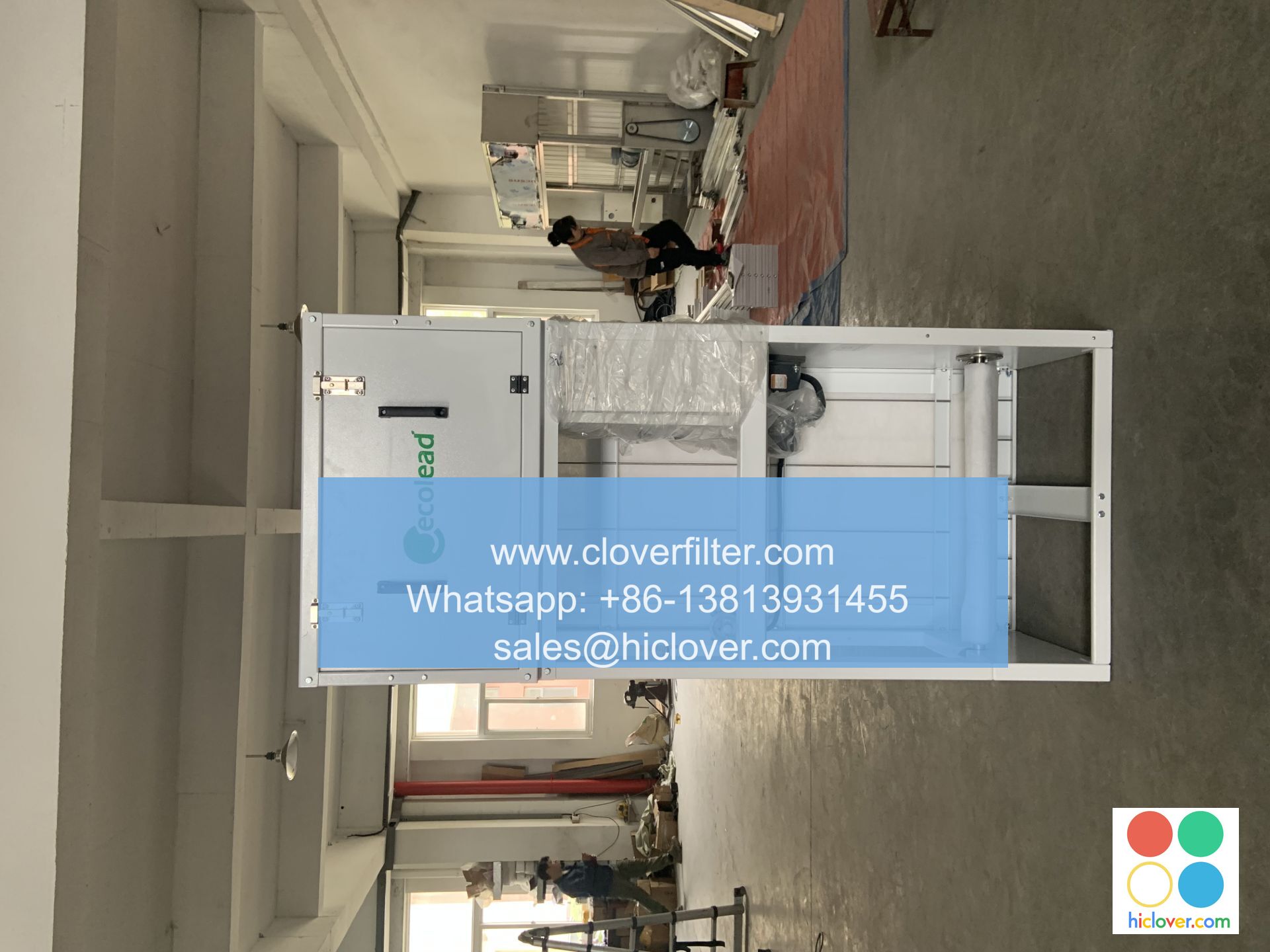
* Clean and maintain air filter housing: Regularly clean and maintain air filter housing to prevent dust and debris buildup.
* Monitor air filter performance: Monitor air filter performance and adjust maintenance schedules as needed to ensure optimal performance.
By creating a culture of air filter maintenance within your team, you can ensure good indoor air quality, energy efficiency, and equipment longevity. Remember to establish a maintenance schedule, provide training and education, communicate the benefits, and lead by example. Additionally, follow best practices for air filter maintenance, such as checking and replacing air filters regularly, using high-quality air filters, cleaning and maintaining air filter housing, and monitoring air filter performance. It seems like you didn’t include a prompt. Could you please provide more details or clarify what you’re looking for? I’m here to help with any questions or topics you’d like to discuss!
