Custom Air Filter Shapes: Tailoring Solutions for Specific Needs
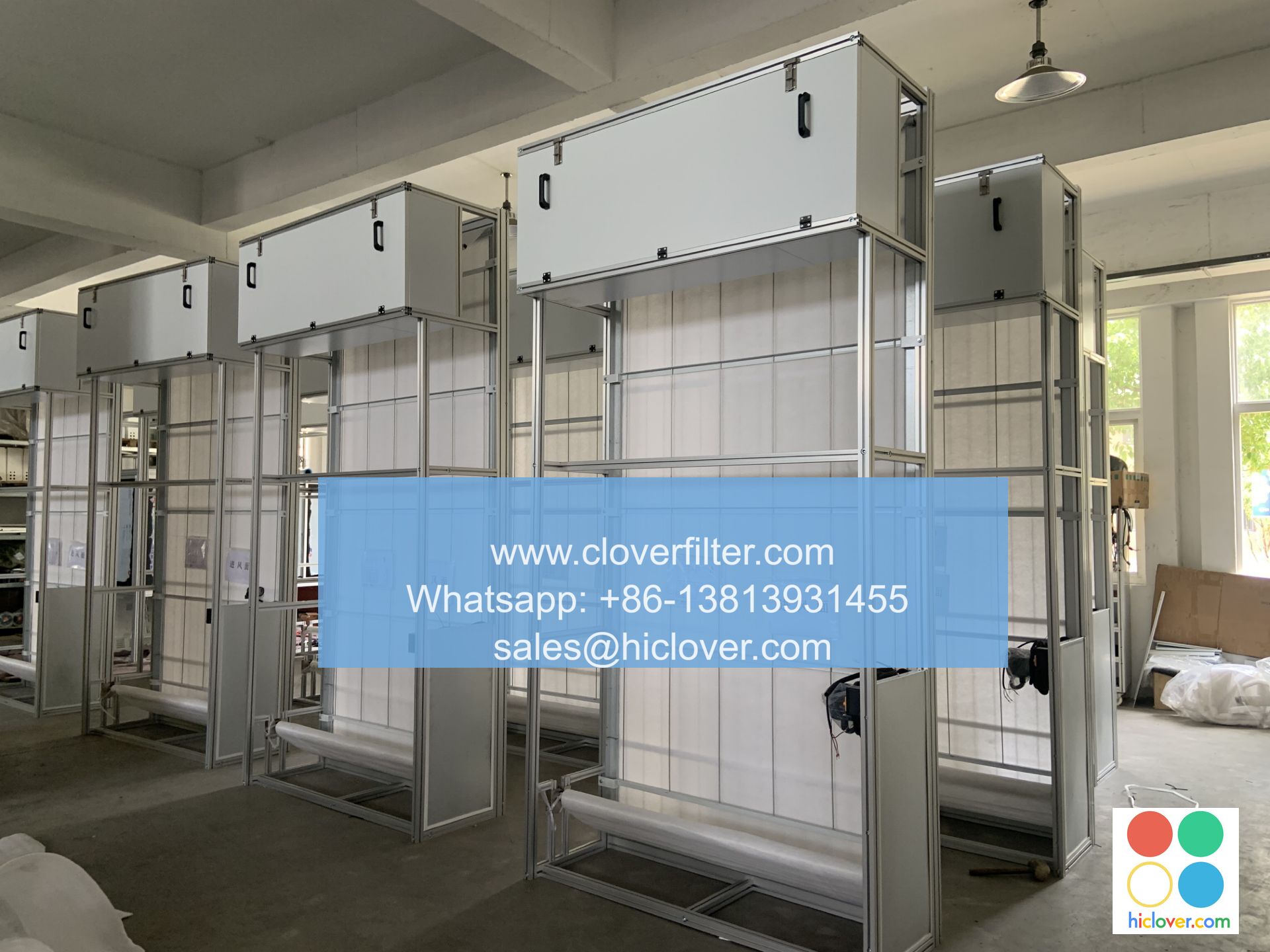
- Key Takeaways:
- Custom air filter shapes optimize air quality and system efficiency.
- Automatic Roll Air Filters provide automatic media advancement for reduced maintenance.
- Tailored solutions suit diverse applications, including cleanrooms, data centers, and factories.
- Understanding airflow and control options is crucial for selecting the right filter.
- Compliance with standards like ISO 16890 aids in ensuring air quality.
- Real-world case studies illustrate practical benefits of appropriate filter selection.
Understanding Automatic Roll Air Filters

Automatic Roll Air Filters represent a significant evolution in air filtration technology. These filters utilize a continuous roll of filter media that automatically advances, triggered by differential pressure, ensuring that fresh air intake systems maintain optimal performance. The roll media advance logic allows the filter to replace the used media without the need for manual intervention, reducing the need for frequent maintenance.
The use of such filters fits perfectly within HVAC and Air Handling Unit (AHU) systems, where air quality and the efficiency of the ventilation process are paramount. With a timer mode available, these filters not only optimize the air coming into a space but also save energy by maintaining their performance over time.
Practical Selection Guide for Air Filter Shapes
When opting for custom air filter shapes like the Automatic Roll Air Filter, several key factors must be considered:
- Airflow Range: Determine the necessary airflow to match the facility’s needs.
- Face Velocity: This impacts the efficiency of particulate capture; analyze recommended face velocity for specific applications.
- Media Width/Length: Choose dimensions that fit the installation space and operational demands.
- Frame Size: Ensure compatibility with existing HVAC infrastructure.
- Control Options: Look for advanced control features for performance monitoring.
- Power Supply: Consider the power requirements based on the filter’s design.
- Installation Location: Identify if the application is for fresh air intake, return air, or direct process setups.
- Neglecting Airflow Requirements: Verify airflow needs before selection to ensure filter effectiveness.
- Overlooking Filter Media Type: Different particles require specific media types for optimal performance.
- Ignoring Maintenance Protocols: Establish a routine for checking filter performance to prevent energy waste.
- Inadequate Sizing: Ensure filter dimensions are correct to avoid leaks.
- Failure to Consider Operating Conditions: Account for temperature and humidity factors as they impact filter lifespan.
- Not Utilizing Monitoring Tools: Invest in pressure gauges to detect differential pressure changes easily.
- Focusing Solely on Cost: Balance cost with quality; investing in efficient filters can yield long-term savings.
-
Data Center: In a data center, maintaining clean air is crucial for optimal performance. The Automatic Roll Air Filter was implemented and successfully maintained low particulate levels, reducing energy costs associated with cooling systems.
-
Battery Factory: The sensitive nature of lithium battery production demands stringent air quality controls. An Automatic Roll Air Filter ensured the necessary particulate control, protecting both product quality and employee safety.
-
Paint Shop: A manufacturer in the automotive industry utilized the Automatic Roll Air Filter to maintain air quality and reduce VOC emissions. This filtered solution resulted in cleaner workspace conditions and compliance with environmental standards.
-
Textile/Steel/Cement Plant: In industries with heavy dust and particulates, the transition to Automatic Roll Air Filters resulted in significant reductions in equipment wear and energy consumption, demonstrating the adaptability of filter shapes in tackling diverse challenges.

Air Filter Shapes and Their Applications
Selecting the correct air filter shape is essential for specific industrial applications. The Automatic Roll Air Filter offers unique advantages that make it suitable for environments where particulate control is critical.
Comparison of Air Filter Technologies
| Filter Type | Best Use Case | Maintenance | Pressure Drop Behavior | Operating Cost | Typical Risk/Downside |
|---|---|---|---|---|---|
| Automatic Roll Air Filter | High-efficiency applications | Low | Consistent | Moderate | Initial installation cost |
| Bag Filter | General purpose | Moderate | Variable | Low to moderate | Dust loading can affect efficiency |
| Panel Filter | Light-duty applications | High | Steady | Low | Frequent replacements required |
| V-bank | High air volume | Low | Lower than bag | Moderate | Less effective for smaller particles |
Common Mistakes & How to Avoid Them
Understanding common pitfalls in air filter selection can significantly boost operational efficiency:
Real-World Scenarios
FAQ Section
Q1: What are the most common air filter shapes used in industrial applications?
A1: Common air filter shapes include panel, bag, and v-bank filters, with custom options like the Automatic Roll Air Filters gaining popularity.
Q2: How does the Automatic Roll Air Filter minimize maintenance?
A2: It utilizes an automatic media advancement system that replaces used media based on differential pressure, reducing the frequency and complexity of maintenance.
Q3: Can I use Automatic Roll Air Filters in non-industrial settings?
A3: While primarily designed for industrial uses, these filters can also be tailored for large commercial HVAC systems.
Q4: What factors influence the cost of air filters?
A4: Factors include filter type, material, size, and expected lifecycle. Automatic Roll Air Filters may have a higher initial cost but can lead to long-term savings.
Q5: Are Automatic Roll Air Filters compliant with industry standards?
A5: While specific certifications can be requested, these filters align with guidelines such as ISO 16890, ensuring reliable performance.
Q6: What is the lifespan of an Automatic Roll Air Filter?
A6: The lifespan varies based on application and particulate load; regular monitoring can help determine optimal replacement frequency.
Q7: What is the impact of airflow rate on filter performance?
A7: Higher airflow can require more frequent media changes. Balancing airflow with the right filter shape is key to maintaining efficiency.
Q8: How do I assess the efficiency of an air filter?
A8: Filter efficiency can be evaluated using the MERV rating and by measuring differential pressure across the filter over time.
Q9: Is installation of the Automatic Roll Air Filters complex?
A9: While there may be some initial setup, the filters are designed for ease of installation and integration into existing systems.
Q10: Where can I find additional information about CloverFilter’s products?
A10: You can visit CloverFilter’s website for detailed information about their products and solutions.
Meta Description: Discover custom air filter shapes tailored to specific needs, focusing on Automatic Roll Air Filters for optimized performance and reduced maintenance.
For tailored air filtration solutions, CloverFilter is your partner in creating effective and efficient systems for industrial environments. Reach out today via CloverFilter contact page.
It seems like you might be looking for a specific type of prompt or topic to discuss. Could you please provide more details or clarify what you’re looking for? Whether it’s for writing, brainstorming ideas, or any other purpose, I’m here to help!
