Data Center Cleanroom Contamination: The Effectiveness of Automatic Roll Air Filters in Markham Data Centers: A Case Study
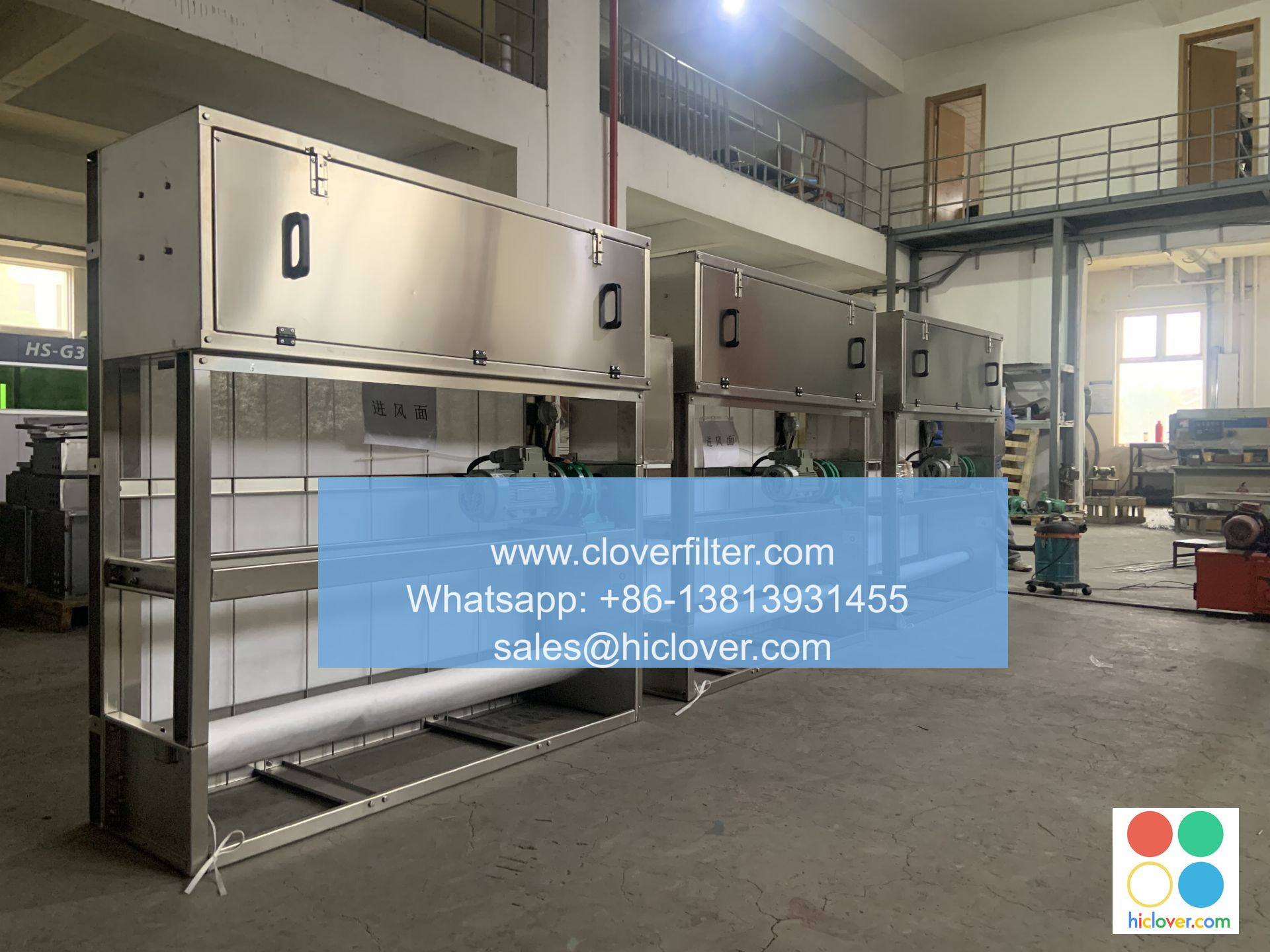
Data centers serve as the backbone of modern information technology infrastructure, and maintaining a pristine environment within these facilities is crucial to ensure optimal performance and longevity of the equipment housed within. Contamination, whether particulate or microbial, can have severe consequences, leading to increased equipment failure rates and costly downtime. A case study conducted on data centers in Markham, Ontario, reveals the effectiveness of implementing automatic roll air filters in mitigating contamination risks in these facilities.
The Importance of Cleanroom Standards

Cleanrooms are classified based on the number and size of particles permitted per volume of air. For data centers, the cleanroom classification is vital to maintaining operational efficiency. The International Organization for Standardization (ISO) has established several classifications, with ISO 14644-1 being the most commonly referenced standard. A cleanroom typically aims to maintain a particulate contamination level of Class 6 (or better), which allows for a maximum of 1,000,000 particles per cubic meter.
Challenges Faced in Data Center Cleanliness
Data centers in Markham have faced various challenges regarding contamination, including:
- Airborne particulates from outside sources, like construction dust or pollen.
- Contaminants generated within the facility such as equipment dust or fibers from clothing.
- Fluctuating humidity and temperature levels causing condensation and the potential for microbial growth.
- Continuous Operation: These systems can operate automatically, adjusting to real-time contamination levels without manual intervention.
- Cost-Effective Maintenance: Automatic roll air filters are easier to maintain and replace, significantly reducing labor costs over time.
- Enhanced Air Quality: With the use of high-efficiency filters, these systems significantly improve air quality, minimizing contamination risks associated with particulate matter.
- Particle counts dropped significantly, leading to fewer equipment failures.
- Operational costs decreased as downtime related to contamination-related issues reduced.
- The centers achieved a consistent compliance level with ISO cleanroom standards, enhancing overall reliability.

Implementation of Automatic Roll Air Filters
The case study examined the implementation of automatic roll air filters in various data centers across Markham. Automatic roll air filters effectively capture airborne particles in real-time, providing several benefits:
Results of the Case Study
Upon implementation, the data centers in Markham reported a marked improvement in the overall cleanliness of the environment:
Conclusion
Data center cleanroom contamination presents significant challenges, but the case study demonstrating the effectiveness of automatic roll air filters in Markham shows a powerful solution. By adopting advanced filtration systems, data centers can dramatically reduce contamination levels, ensuring a safer and more efficient operational environment. As the demand for data storage and processing continues to rise, investing in such technologies will be critical for maintaining the integrity of data center operations.
FAQs
1. What contaminants are most harmful to data centers?
Airborne particulates, chemical vapors, and microbial growth are the most harmful contaminants that can affect the performance and reliability of data center equipment.
2. How often should air filters be changed in data centers?
It depends on the level of contamination in the environment; however, it is generally recommended to check filters monthly and replace them every 3 to 6 months.
3. Can automatic roll air filters be retrofitted to existing systems?
Yes, they can often be integrated into existing HVAC systems, enhancing air quality with relatively minimal disruption to operations.
4. What is the cost associated with implementing automatic roll air filters?
Costs vary based on the size of the data center and specific requirements, but the long-term savings in maintenance and reduced downtime can outweigh initial investments.
