Data Center Cooling Systems in Canada: A Comparative Analysis of Automatic Roll Air Filters
Data centers in Canada are facing increasing pressure to reduce their energy consumption and environmental footprint. One key area of focus is the cooling system, which can account for up to 40% of a data center’s total energy usage. In recent years, automatic roll air filters have emerged as a popular alternative to traditional cooling systems. But how do they compare to other options on the market? In this article, we’ll take a closer look at automatic roll air filters and explore their advantages and disadvantages in the context of data center cooling in Canada.
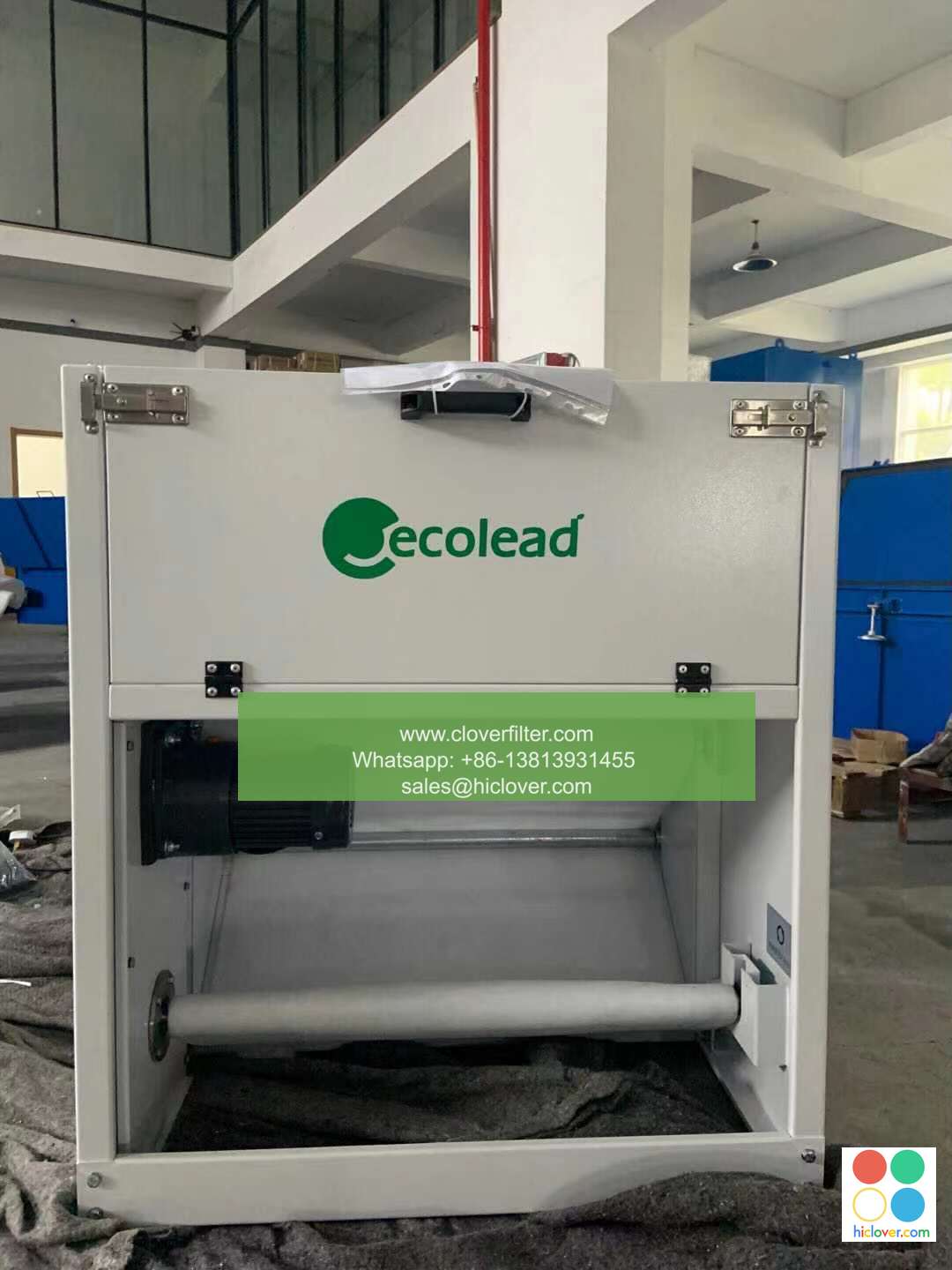
Automatic roll air filters are designed to provide efficient and effective cooling for data centers. They work by using a rolling filter media that is automatically replaced as it becomes dirty, reducing the need for manual maintenance and minimizing downtime. This design also allows for a significant reduction in energy consumption, as the filter media is only replaced when necessary, rather than on a fixed schedule. Additionally, automatic roll air filters are often equipped with advanced features such as variable speed drives and sensors that monitor temperature, humidity, and airflow, allowing for real-time adjustments to optimize cooling performance.

In comparison to traditional cooling systems, automatic roll air filters offer several advantages. They are often more energy-efficient, with some studies suggesting that they can reduce energy consumption by up to 30%. They also require less maintenance, as the automatic replacement of the filter media reduces the need for manual intervention. Furthermore, automatic roll air filters can be designed to be highly flexible, allowing them to be easily integrated into existing data center infrastructure.
However, automatic roll air filters also have some disadvantages. They can be more expensive to purchase and install than traditional cooling systems, although their energy-efficient design can lead to long-term cost savings. They also require a reliable source of power to operate, which can be a concern in areas prone to outages. Additionally, the rolling filter media can be prone to wear and tear, which can affect its performance over time.
Another key consideration for data centers in Canada is the country’s climate. Canada’s cold winters and mild summers mean that data centers often require a combination of heating and cooling systems to maintain optimal temperatures. Automatic roll air filters can be designed to provide both heating and cooling, making them a versatile option for Canadian data centers. However, they may not be suitable for all climates, and their performance can be affected by extreme temperatures.
In terms of environmental impact, automatic roll air filters have several advantages. They can be designed to be highly energy-efficient, which reduces their carbon footprint. They also produce minimal waste, as the rolling filter media is designed to be recyclable. Furthermore, automatic roll air filters can be equipped with advanced features such as air purification systems, which can improve indoor air quality and reduce the environmental impact of data center operations.

Conclusion:
In conclusion, automatic roll air filters are a viable option for data center cooling in Canada. They offer several advantages, including energy efficiency, reduced maintenance, and flexibility. However, they also have some disadvantages, such as higher upfront costs and a reliance on a reliable power source. As data centers in Canada continue to evolve and grow, it’s likely that automatic roll air filters will play an increasingly important role in the country’s data center cooling landscape. By understanding the advantages and disadvantages of automatic roll air filters, data center operators can make informed decisions about their cooling systems and reduce their environmental footprint.
FAQs:
Q: What is an automatic roll air filter?
A: An automatic roll air filter is a type of cooling system that uses a rolling filter media to provide efficient and effective cooling for data centers.
Q: How do automatic roll air filters work?
A: Automatic roll air filters work by using a rolling filter media that is automatically replaced as it becomes dirty, reducing the need for manual maintenance and minimizing downtime.
Q: What are the advantages of automatic roll air filters?
A: The advantages of automatic roll air filters include energy efficiency, reduced maintenance, and flexibility. They can also be designed to provide both heating and cooling, making them a versatile option for Canadian data centers.
Q: What are the disadvantages of automatic roll air filters?
A: The disadvantages of automatic roll air filters include higher upfront costs, a reliance on a reliable power source, and the potential for wear and tear on the rolling filter media.
Q: Are automatic roll air filters suitable for all climates?
A: Automatic roll air filters can be designed to provide both heating and cooling, making them a viable option for Canadian data centers. However, their performance can be affected by extreme temperatures, and they may not be suitable for all climates.
