Data Center Cooling Systems in Canada: A Comparison of Automatic Roll Air Filters and Other Cooling Technologies

Introduction
Data centers are pivotal to the modern digital economy, playing a critical role in data hosting, networking, and storage. Effective cooling is essential to maintain operational efficiency, maximize uptime, and reduce energy costs. In Canada, where temperatures can vary dramatically, the selection of cooling technologies becomes particularly important. Among the various options available, automatic roll air filters (ARAFs) have emerged as a viable option, alongside traditional methods such as chilled water systems, direct expansion systems, and more. This article explores these cooling technologies and presents a comparative analysis, highlighting their relevance in the Canadian context.
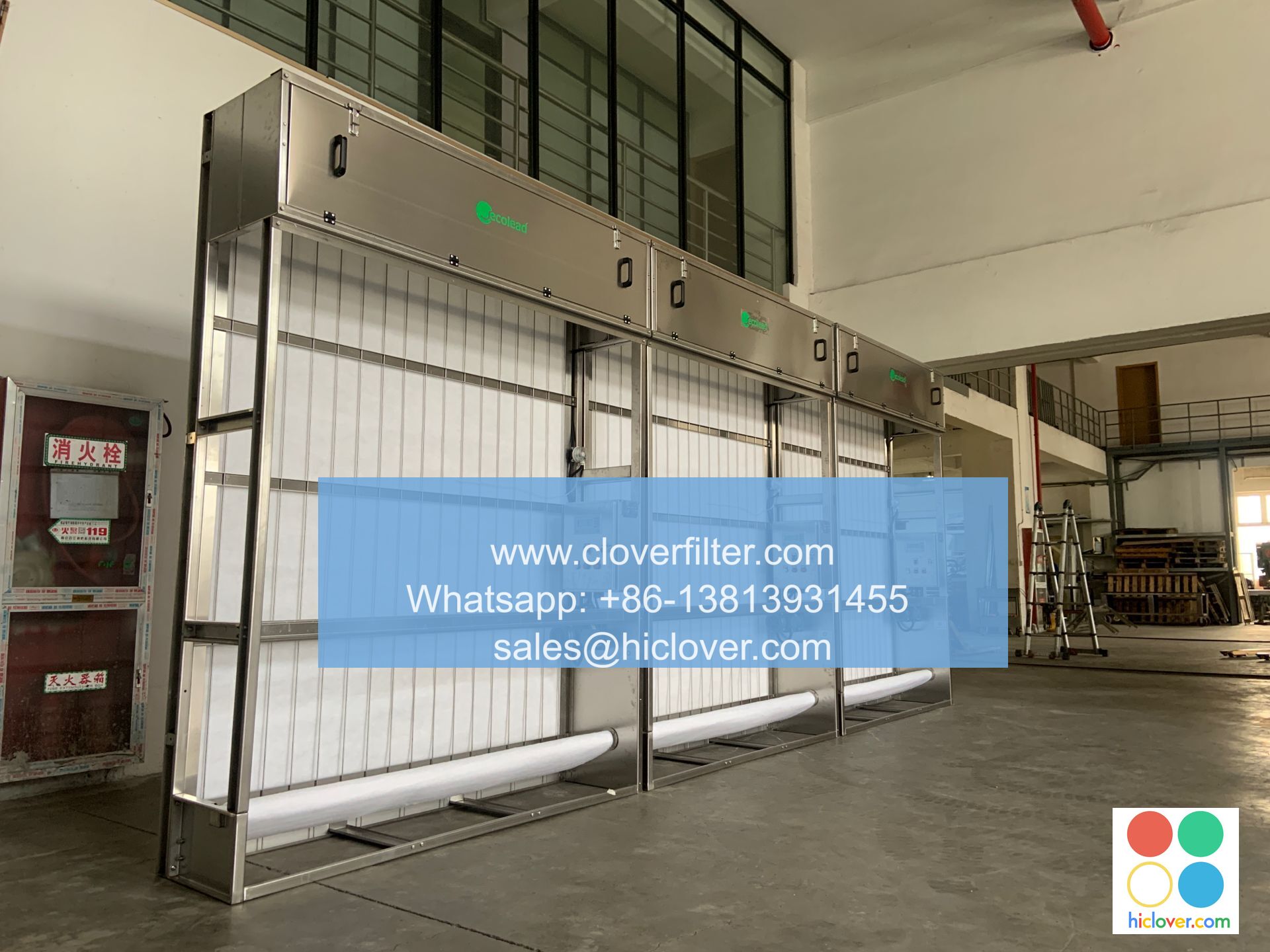
Cooling Technologies Overview
Here’s a brief overview of common data center cooling technologies:
- Chilled Water Systems: These systems circulate chilled water through cooling coils to absorb heat from the data center. While effective, they require significant energy and have high initial installation costs.
- Direct Expansion (DX) Systems: Utilizing refrigerants, DX systems cool air directly before it’s introduced into the data center. They are compact and useful for smaller setups, but they might not scale well for larger operations.
- Air-Cooled Systems: These systems utilize air as a cooling medium through fans and blowers. They are an energy-efficient option but are often less effective in high-density environments.
- Automatic Roll Air Filters (ARAFs): ARAFs provide a dynamic method of filtration and cooling where filters automatically roll to provide continuous airflow and temperature regulation. They minimize dust accumulation and maintain optimal air quality for IT equipment.

Key Comparisons: ARAFs vs. Other Cooling Technologies
Efficiency
ARAFs stand out due to their ability to maintain high air quality while efficiently managing airflow. They reduce the frequency of manual filter changes, which minimizes labor costs and system downtime. Traditional systems may provide adequate cooling but often at higher operational costs due to energy consumption.
Installation and Maintenance
While ARAFs may initially have a steeper learning curve for installation due to their advanced mechanics, they are largely maintenance-friendly. In contrast, traditional systems often require extensive and ongoing maintenance. For instance, chilled water systems demand regular checks on coolant levels and components, leading to higher long-term costs.
Environmental Impact
With growing concerns about carbon footprints, ARAFs can provide a greener cooling option due to their energy-efficient operation, especially in economizer mode where external air is utilized for cooling when the conditions are favorable. Traditional cooling systems are often reliant on high-energy processes that contribute to environmental degradation.
Conclusion
In the rapidly advancing world of technology, selecting the appropriate cooling system for data centers is critical to ensure efficiency and sustainability. Automatic roll air filters offer substantial advantages in terms of energy efficiency, reduced maintenance, and lower environmental impact, making them competitively viable against traditional cooling methodologies. As Canadian data centers continue evolving, implementing the latest cooling technologies, such as ARAFs, proves beneficial for both operational cost-effectiveness and environmental responsibility.
FAQs
1. What is the primary advantage of using Automatic Roll Air Filters in data centers?
The primary advantage is their efficient airflow management and reduced maintenance requirements, providing a cleaner and more sustainable cooling solution.
2. How do ARAFs compare in cost to traditional cooling systems?
Initial costs may vary; however, ARAFs can potentially save on operational costs in the long run due to reduced energy consumption and lower maintenance expenses.
3. Are ARAFs suitable for all types of data centers?
Yes, ARAFs are adaptable to various sizes and types of data centers, making them a versatile cooling solution.
4. What should be considered when choosing a cooling system for a data center?
Consider factors like the size of the data center, energy efficiency, maintenance needs, environmental impact, and total cost of ownership.
