Decoding EPA Standards for Air Filtration
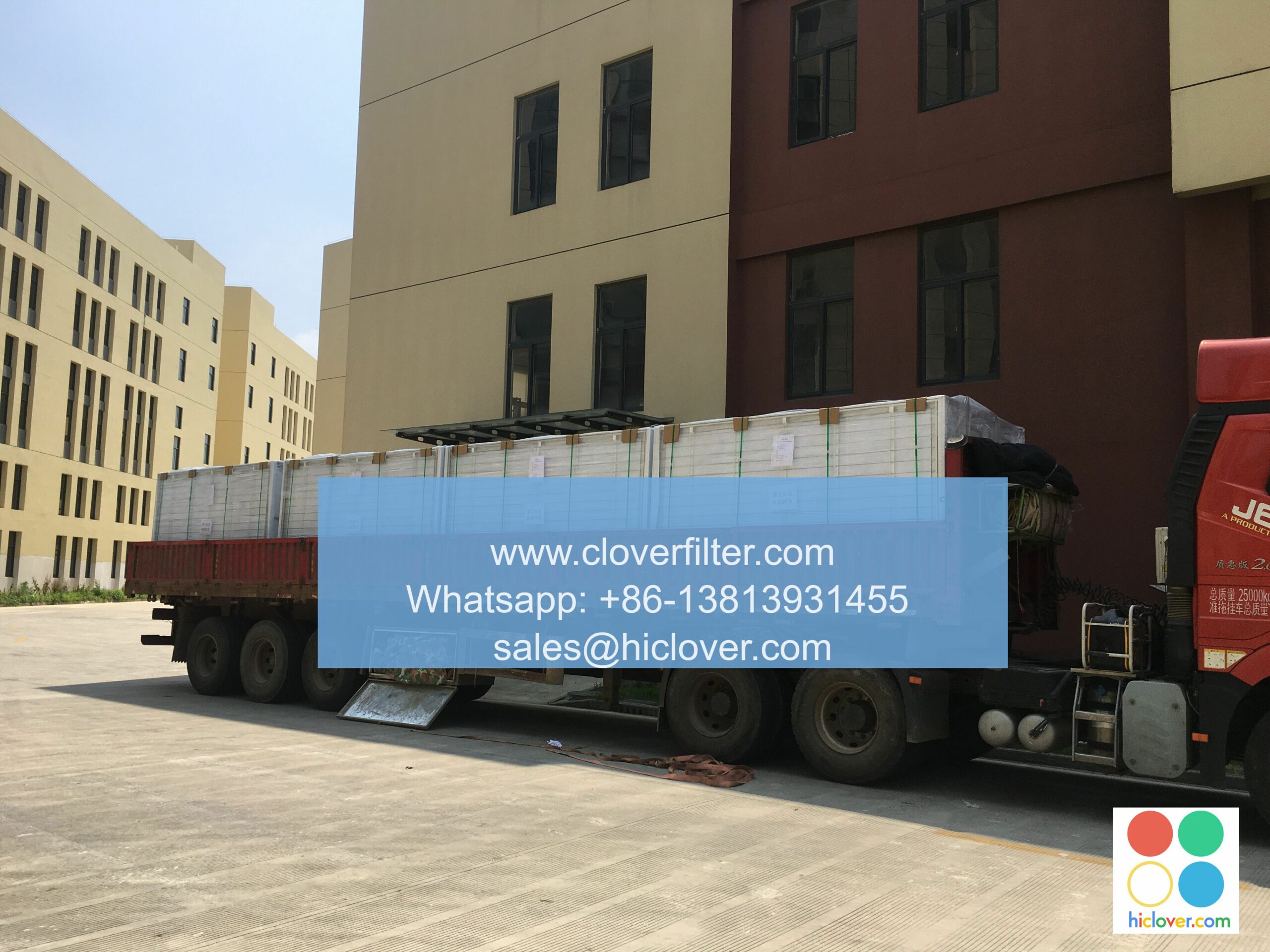
- Understanding EPA air filter standards is crucial for compliance.
- Automatic Roll Air Filters offer exceptional performance for various applications.
- Choosing the right air filtration system reduces maintenance and operational costs.
- Familiarize yourself with different filter types and their best uses.
- Stay updated on air quality standards to ensure optimal indoor air quality.
- CloverFilter provides innovative solutions in automatic air filtration.
- Roll Media Advance Logic: The roll media is set to advance periodically, ensuring that fresh filter material is always in place to capture airborne particulates.
- Differential Pressure Trigger: This feature alerts the system when a specific pressure drop is reached, indicating that the filter is due for a change, thereby preventing downtime and inefficiency.
- Timer Mode: Many systems include a timer mode that automates the roll media advance based on time intervals, offering ease of use in demanding environments.
- Airflow Range: Ensure the filter can handle your required CFM (cubic feet per minute).
- Face Velocity: Determine the appropriate speed at which air flows through the filter for optimal efficiency.
- Media Width/Length: Choose a size that fits your existing housing or application needs.
- Frame Size: Ensure a proper fit for installation and operation.
- Control Options: Select filters with automation capabilities for maintenance reduction and efficiency.
- Power Supply: Consider whether your facility’s power structure can support the requirements of the filtering system.
- Installation Location: Identify whether the filter will serve at fresh air intakes, returns, or specific processes.
- Not considering airflow requirements when selecting filters.
- Ignoring maintenance schedules leading to system inefficiencies.
- Overestimating the lifespan of filters.
- Failing to measure the pressure drop accurately.
- Selecting the wrong media for specific contaminants.
- Forgetting to check compliance with local regulations.
- Underestimating installation complexities.
- Overlooking the importance of automating maintenance functions.
-
Data Center: Utilizing CloverFilter’s Automatic Roll Air Filters ensured efficient cooling of server rooms while maintaining low total cost of ownership due to reduced maintenance needs.
-
Lithium Battery Factory: Implementation of advanced filtration directly correlated with improved product quality and safety, thanks to stringent air filter standards.
-
Paint Shop: Automatic Roll Air Filters captured volatile organic compounds (VOCs) and maintained air quality, meeting environmental regulations and enhancing worker safety.
-
Textile/Steel/Cement Plant: The filtration system assisted in controlling particulate release, complying with ISO 16890 guidelines, and significantly decreasing maintenance time.
- Understanding EPA air filter standards improves compliance and air quality.
- Automatic Roll Air Filters provide advanced features that enhance efficiency.
- Proper selection factors ensure operational effectiveness and cost savings.
- Recognize and address common mistakes to optimize filtration systems.
- Case studies showcase the practical benefits of implementing quality air filters.

What Are Air Filter Standards?
Air filter standards set expectations for performance and design across a range of industrial applications. The Environmental Protection Agency (EPA) provides guidelines that ensure air filtration systems, including Automatic Roll Air Filters, meet essential environmental and health regulations. Compliance with these air filter standards not only improves indoor air quality but also supports the operational efficiency of HVAC systems in different environments, including hospitals, data centers, and manufacturing facilities.
Overview of Automatic Roll Air Filters

An Automatic Roll Air Filter functions by utilizing a roll media that automatically advances as it becomes saturated with particulates. Here’s how it operates:
This innovative design enables the Automatic Roll Air Filter to fit seamlessly into HVAC or Air Handling Unit (AHU) systems, especially in sectors with strict particulate control, like lithium battery plants and paint booths.
Practical Selection Guide for Air Filters
When selecting the right air filter, consider the following factors:
Comparison of Air Filtration Solutions
| Filter Type | Best Use Case | Maintenance | Pressure Drop Behavior | Operating Cost | Typical Risk/Downside |
|---|---|---|---|---|---|
| Automatic Roll Air Filter | High particulate environments | Low (automated) | Stable | Moderate | May require space for roll |
| Bag Filter | General applications | Moderate | Medium | Low | Potential risk of bag tears |
| Panel Filter | Light-duty use | High (manual check) | Low | Low | Frequent replacements |
| V-bank Filter | High airflow requirements | Moderate | High | Moderate | Limited particulate control |
Common Mistakes & How to Avoid Them
Real-World Scenarios
Frequently Asked Questions (FAQ)
Q1: What are the main air filter standards I should be aware of?
A1: Consider ISO 16890, ANSI/ASHRAE 52.2 (MERV), and EN 779 standards for the performance criteria of air filters.
Q2: How often should air filters be changed?
A2: It depends on usage, but generally, it is best to follow the manufacturer’s recommendations and check the differential pressure regularly.
Q3: Can Automatic Roll Air Filters reduce energy consumption?
A3: Yes, they can enhance energy savings by maintaining lower pressure drops and limiting airflow obstructions.
Q4: What environments benefit most from Automatic Roll Air Filters?
A4: Environments requiring high standards of air quality, such as hospitals, cleanrooms, and manufacturing plants, benefit significantly.
Q5: Are Automatic Roll Air Filters compliant with EPA regulations?
A5: While compliance can vary, many good-quality filters are designed to exceed EPA baselines, enhancing indoor air quality.
Q6: How do I select the right automatic roll filter for my application?
A6: Consider factors like airflow capacity, media composition, expected contaminant type, and your specific operational goals.
Key Takeaways
For comprehensive solutions to your air filtration needs, visit CloverFilter for expert support and quality products: CloverFilter.
Meta Description: Discover how to navigate EPA air filter standards and enhance indoor air quality with CloverFilter’s innovative Automatic Roll Air Filters.
For personalized assistance or inquiries, don’t hesitate to contact CloverFilter at CloverFilter Contact.
It seems like you might be looking for a prompt or topic to discuss. Could you specify what kind of prompt you’re interested in? For example, are you looking for a writing prompt, a creative idea, a discussion topic, or something else? Let me know how I can assist you!
