Designing a Cleanroom for Medical Device Manufacturing: Automatic Roll Air Filters in Montreal
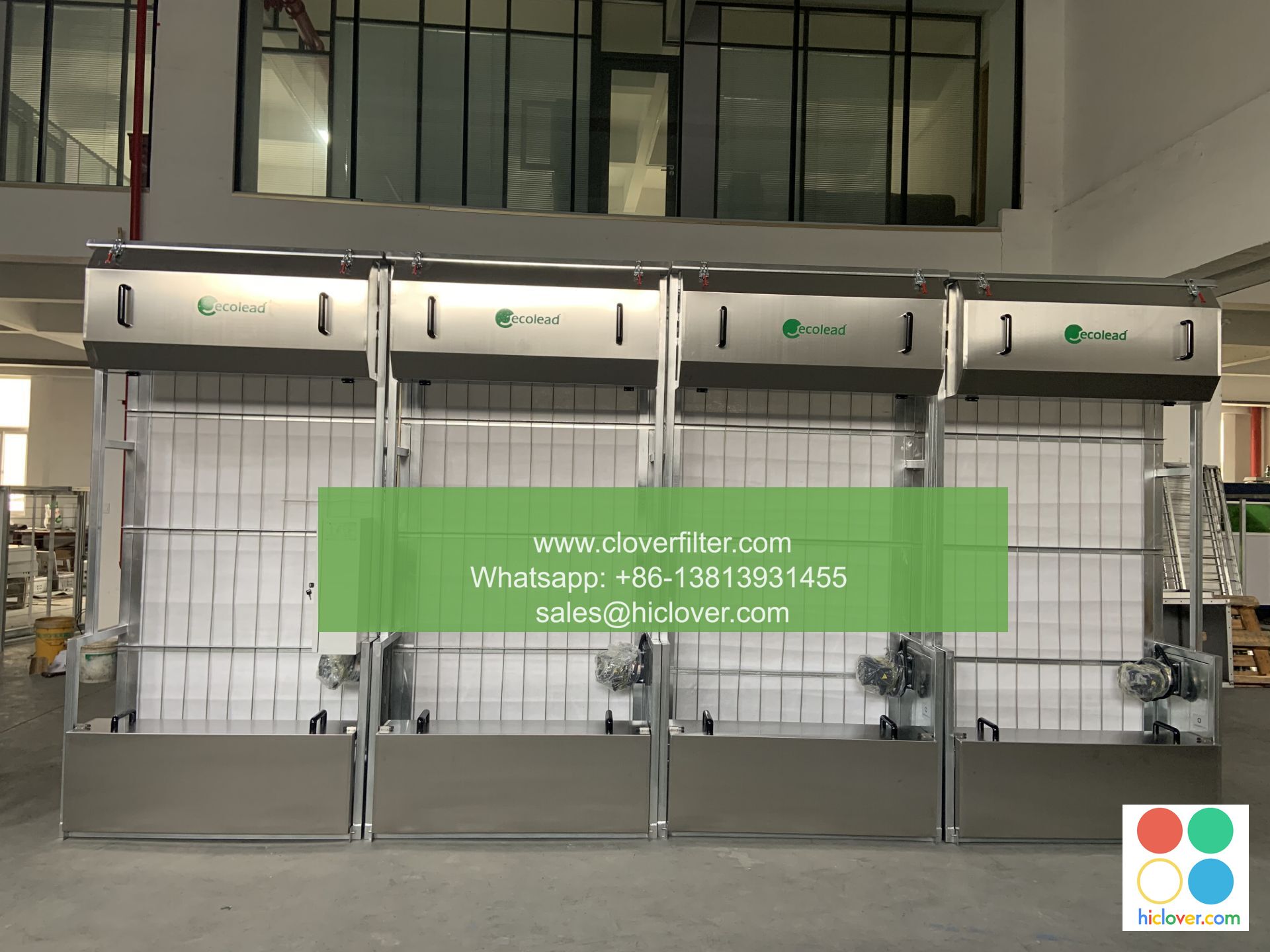
Cleanrooms are essential in the medical device manufacturing industry. They ensure that the environment is free from contaminants, which is critical for the integrity of sensitive medical products. In Montreal, manufacturers often look to design cleanrooms that not only meet regulatory standards but also incorporate cutting-edge technology to maintain air quality and filtration. One innovative solution gaining traction is the implementation of automatic roll air filters.
The Role of Cleanrooms in Medical Device Manufacturing

Cleanrooms are designed to control airborne particles, temperature, humidity, and pressure. In the realm of medical device manufacturing, the slightest contamination can result in device malfunction, pose risks to patients, and lead to costly recalls. Therefore, adhering to stringent cleanliness standards, such as ISO 13485, is crucial. Montreal, being a hub for biotech and medical industries, emphasizes the need for cleanroom design tailored to these stringent requirements.
Key Features of An Effective Cleanroom
Several elements contribute to the overall effectiveness of a cleanroom. These include:
- Air Filtration Systems: A robust air filtration system is critical. High-Efficiency Particulate Air (HEPA) filters are typically utilized to capture 99.97% of particles that are 0.3 microns or larger.
- Controlled Environmental Conditions: Maintaining specific temperature and humidity levels is essential for the stability of medical devices being manufactured.
- Proper Layout: The design should enable smooth workflow and minimal cross-contamination between different zones of the cleanroom.
- Monitoring Systems: Continuous monitoring of air quality and adherence to cleanliness standards ensures compliance and optimal operating conditions.
- Efficiency: Automatic roll filters can be changed without exposing the cleanroom environment to contaminants, significantly reducing potential risks.
- Cost-Effective: These systems minimize operational costs related to manual filter changes and maintenance.
- Consistent Air Quality: By automating the filter replacement process, cleanrooms can maintain consistent air quality standards, as filters are replaced based on real-time monitoring metrics.

The Advantages of Automatic Roll Air Filters
One of the most promising advancements in cleanroom technology is the use of automatic roll air filters. These filters offer several advantages:
In Montreal, several cleanroom design firms are integrating these automatic air filtration systems into their projects, reflecting a shift towards smarter, more efficient manufacturing environments.
Conclusion
Designing a cleanroom for medical device manufacturing in Montreal requires careful consideration of multiple factors, including environmental control, workflow layout, and air filtration systems. The adoption of automatic roll air filters signifies an essential shift in maintaining stringent cleanliness standards while ensuring operational cost-efficiency. As the medical device sector continues to evolve, embracing advanced technologies in cleanroom design will become increasingly vital for manufacturers aiming to deliver reliable and safe products. Together, these innovations will help shape the future of medical device manufacturing in an era where precision and safety are paramount.
FAQs
What is the importance of cleanrooms in medical device manufacturing?
Cleanrooms minimize the risk of contamination, ensuring that medical devices are safe and effective for patient use. They comply with strict regulatory standards to maintain air quality and environmental control.
What are automatic roll air filters?
Automatic roll air filters are filtration systems that can be changed without disturbing the cleanroom environment. They are designed to maintain air quality and efficiency through automation.
How can cleanroom design affect overall production efficiency?
A well-designed cleanroom streamlines workflows, reduces contamination risks, and maintains environmental conditions, ultimately enhancing production efficiency and quality control.
How often should cleanroom air filters be changed?
Filter changes should be determined based on real-time monitoring of particulate levels and specific cleanroom use; automatic systems can help ensure timely replacements without compromising cleanliness.
