Designing a Flexible Biotechnology Cleanroom in Montreal with Automatic Roll Air Filters for Improved Cleanroom Performance
Designing a Flexible Biotechnology Cleanroom in Montreal
In recent years, the biotechnology industry has seen exponential growth, leading to an increased demand for sophisticated cleanroom facilities. Designing a flexible biotechnology cleanroom in Montreal poses unique challenges and opportunities that can be addressed through innovative solutions such as automatic roll air filters. This technology significantly enhances cleanroom performance, ensuring compliance with stringent industry regulations while accommodating the dynamic needs of biotechnology research and production.
Importance of Cleanroom Design
Cleanrooms are controlled environments that minimize the introduction, generation, and retention of airborne particles and pollutants. For biotechnology facilities, the quality of air and environmental conditions is crucial for research integrity, product quality, and operational efficiency. A well-designed cleanroom helps protect sensitive biological materials from contamination while also supporting various applications, from pharmaceuticals to genetic research.
Key Design Considerations
When designing a cleanroom, several factors must be considered:
- Airflow Management: Effective airflow is critical to maintaining cleanroom integrity. The layout should ensure unidirectional airflow, minimizing turbulence and maximally filtering incoming air.
- Material Selection: The choice of materials used in the cleanroom construction should support cleanliness, durability, and ease of maintenance. Non-porous, easy-to-clean surfaces are preferred.
- Modularity and Flexibility: Biotechnology demands are constantly evolving. Incorporating modular designs allows for adjustments and configurations as research needs change over time.
- Regulatory Compliance: Adhering to industry standards such as ISO class requirements is essential for cleanroom operations. These guidelines dictate the maximum allowable levels of particulates and other contaminants.
- Improved Air Quality: These filters automatically adjust to environmental conditions, ensuring optimal air quality and reducing pollutant accumulation.
- Energy Efficiency: By regulating airflow and pressure, roll air filters can significantly reduce energy consumption compared to traditional filtration methods.
- Ease of Maintenance: Automatic roll filters can simplify the maintenance process, reducing downtime and the need for manual interventions.
- Cost-Effectiveness: While initial investment costs may be higher, the long-term benefits in terms of energy savings, reduced maintenance, and enhanced cleanroom performance justify the expense.
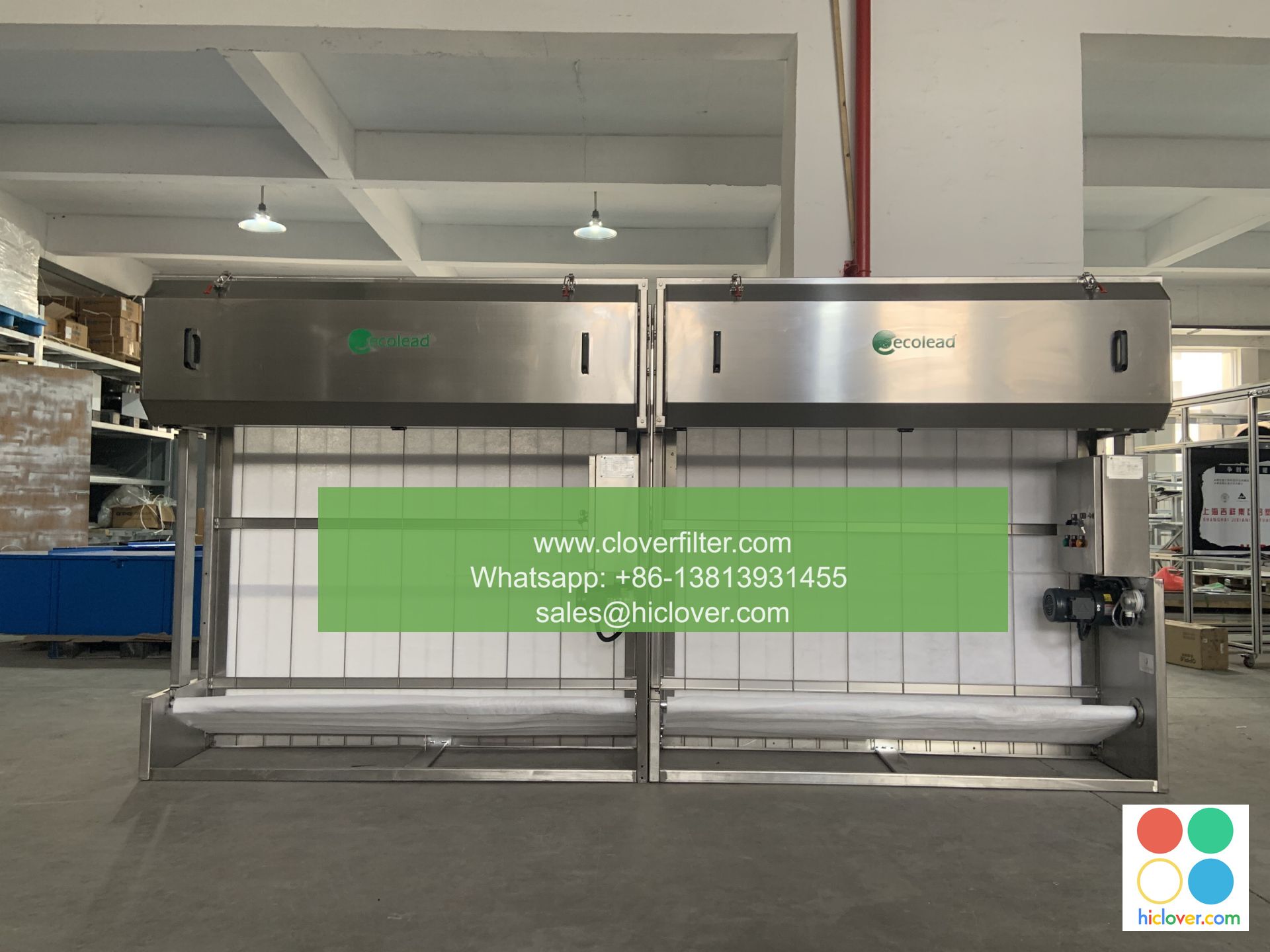
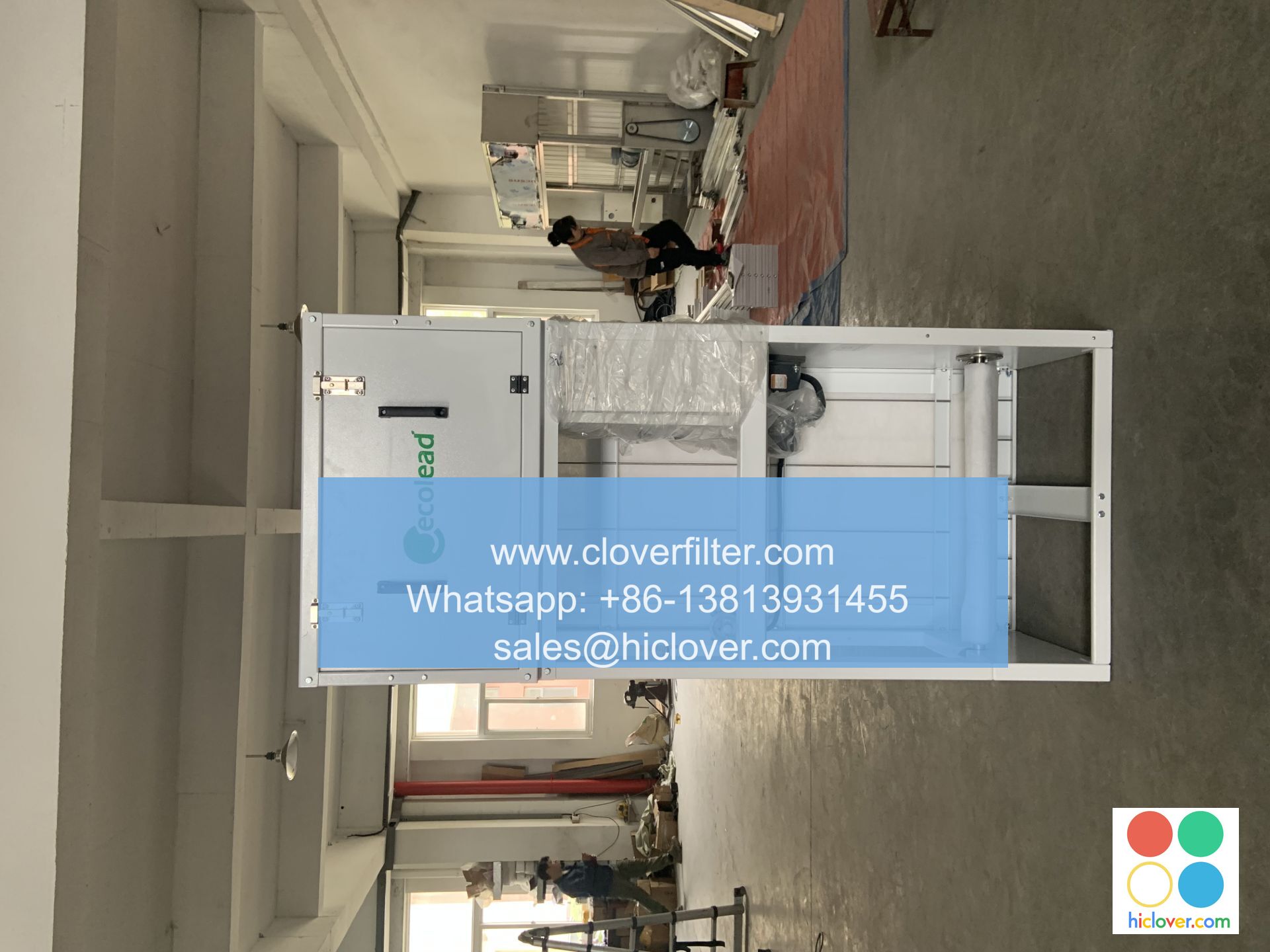
The Role of Automatic Roll Air Filters
Automatic roll air filters are an innovative addition to cleanroom technology, providing several benefits:
Conclusion
Constructing a flexible biotechnology cleanroom in Montreal requires a careful, forward-thinking approach that considers evolving industry needs. Incorporating technologies like automatic roll air filters can dramatically improve cleanroom performance by enhancing air quality and operational efficiency. In a dynamic field such as biotechnology, the agility offered by innovative designs is paramount to staying competitive while ensuring compliance with stringent regulations.
FAQs
1. What is a cleanroom?
A cleanroom is a controlled environment designed to minimize contamination from airborne particles and pollutants, crucial for industries such as biotechnology and pharmaceuticals.
2. What are the key features of a biotechnology cleanroom?
Key features include controlled temperature and humidity, unidirectional airflow, cleanliness standards, and specialized materials that support a contamination-free environment.
3. How do automatic roll air filters improve cleanroom efficiency?
They adjust automatically to environmental conditions, ensuring optimal air quality, reducing energy consumption, and simplifying maintenance processes.
4. Is modularity important in cleanroom design?
Yes, modularity allows cleanrooms to adapt to changing research demands, improving the flexibility and cost-effectiveness of biotechnology facilities.
5. What regulations must cleanrooms adhere to?
Cleanrooms must comply with industry standards such as ISO classes, which set limits on permissible particulate contamination levels to ensure product safety and efficacy.
