Designing a Food Research Lab with Automatic Roll Air Filters: Considerations and Best Practices
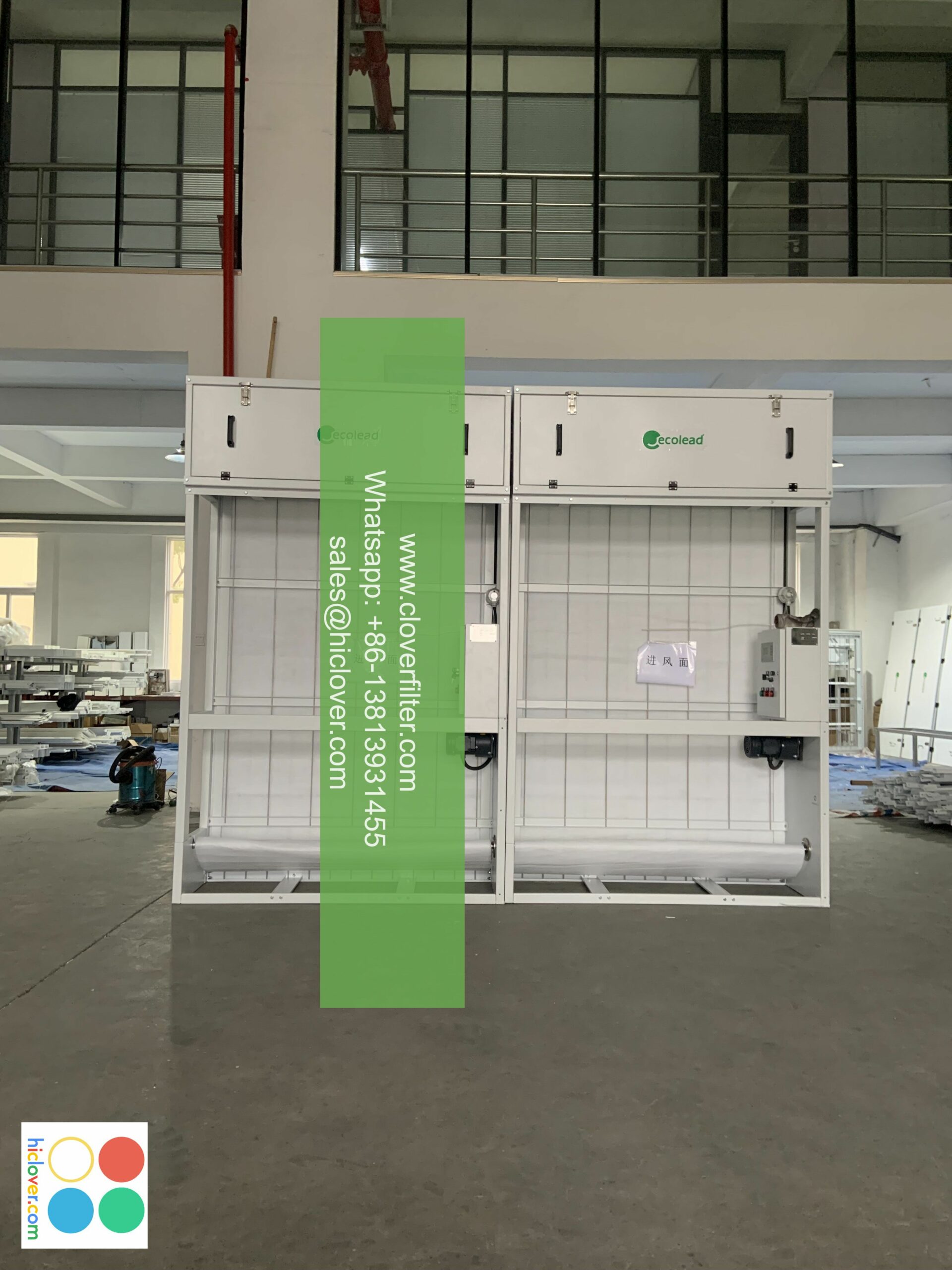
When designing a food research lab, maintaining a clean and controlled environment is crucial to ensure the accuracy and reliability of research results. One essential component in achieving this is the installation of automatic roll air filters. These filters play a vital role in removing airborne contaminants, such as dust, bacteria, and other particles, from the lab’s air supply. In this article, we will explore the considerations and best practices for designing a food research lab with automatic roll air filters.
The first consideration when designing a food research lab with automatic roll air filters is the lab’s layout and airflow. The lab should be designed to facilitate a smooth and efficient airflow, allowing the air filters to effectively remove contaminants from the air. This can be achieved by installing the air filters in a way that creates a positive pressure environment, where clean air is constantly being introduced into the lab, and contaminated air is removed. The lab’s layout should also take into account the location of equipment, workstations, and personnel to minimize disruptions to the airflow.

Another important consideration is the type and size of the automatic roll air filters to be used. The filters should be chosen based on the specific needs of the lab, taking into account the type of research being conducted, the level of contamination expected, and the required airflow rates. The filters should also be sized correctly to ensure that they can handle the lab’s airflow requirements without compromising their effectiveness. It is also essential to consider the filter’s maintenance and replacement schedule to ensure that they continue to function optimally.
In addition to the technical considerations, it is also essential to consider the regulatory and safety requirements for the lab. Food research labs are subject to strict regulations and guidelines, such as those set by the FDA and USDA, to ensure the safety of the food products being researched. The lab’s design and equipment, including the automatic roll air filters, must comply with these regulations to prevent contamination and ensure the integrity of the research.
To ensure the effective operation of the automatic roll air filters, regular maintenance is crucial. The filters should be inspected and replaced regularly, according to the manufacturer’s recommendations, to prevent them from becoming clogged and reducing their effectiveness. The lab’s HVAC system should also be regularly maintained to ensure that it is functioning correctly and providing the required airflow rates. Additionally, the lab’s personnel should be trained on the proper use and maintenance of the air filters to ensure that they are used correctly and effectively.
Best practices for designing a food research lab with automatic roll air filters include:

- Conducting a thorough risk assessment to identify potential contamination sources and implementing measures to mitigate them
- Designing the lab’s layout to facilitate a smooth and efficient airflow
- Selecting the correct type and size of automatic roll air filters for the lab’s specific needs
- Implementing a regular maintenance schedule for the air filters and HVAC system
- Providing training to lab personnel on the proper use and maintenance of the air filters
In conclusion, designing a food research lab with automatic roll air filters requires careful consideration of several factors, including the lab’s layout and airflow, the type and size of the filters, regulatory and safety requirements, and regular maintenance. By following best practices and considering these factors, food research labs can ensure a clean and controlled environment, which is essential for accurate and reliable research results.
Frequently Asked Questions
Q: What are the benefits of using automatic roll air filters in a food research lab?
A: Automatic roll air filters provide a high level of air filtration, removing airborne contaminants and particles from the lab’s air supply, which helps to prevent contamination and ensure the accuracy of research results.
Q: How often should automatic roll air filters be replaced?
A: The replacement schedule for automatic roll air filters depends on the manufacturer’s recommendations and the lab’s specific needs. Generally, filters should be replaced every 1-3 months, or as recommended by the manufacturer.
Q: Can automatic roll air filters be used in conjunction with other air filtration systems?
A: Yes, automatic roll air filters can be used in conjunction with other air filtration systems, such as HEPA filters, to provide a multi-layered approach to air filtration and contamination control.
Q: How do I ensure that my food research lab complies with regulatory requirements?
A: To ensure compliance with regulatory requirements, it is essential to conduct a thorough risk assessment, implement measures to mitigate potential contamination sources, and ensure that the lab’s design and equipment, including the automatic roll air filters, meet the required standards and guidelines.
