Designing Air Filter Systems for Easy Maintenance
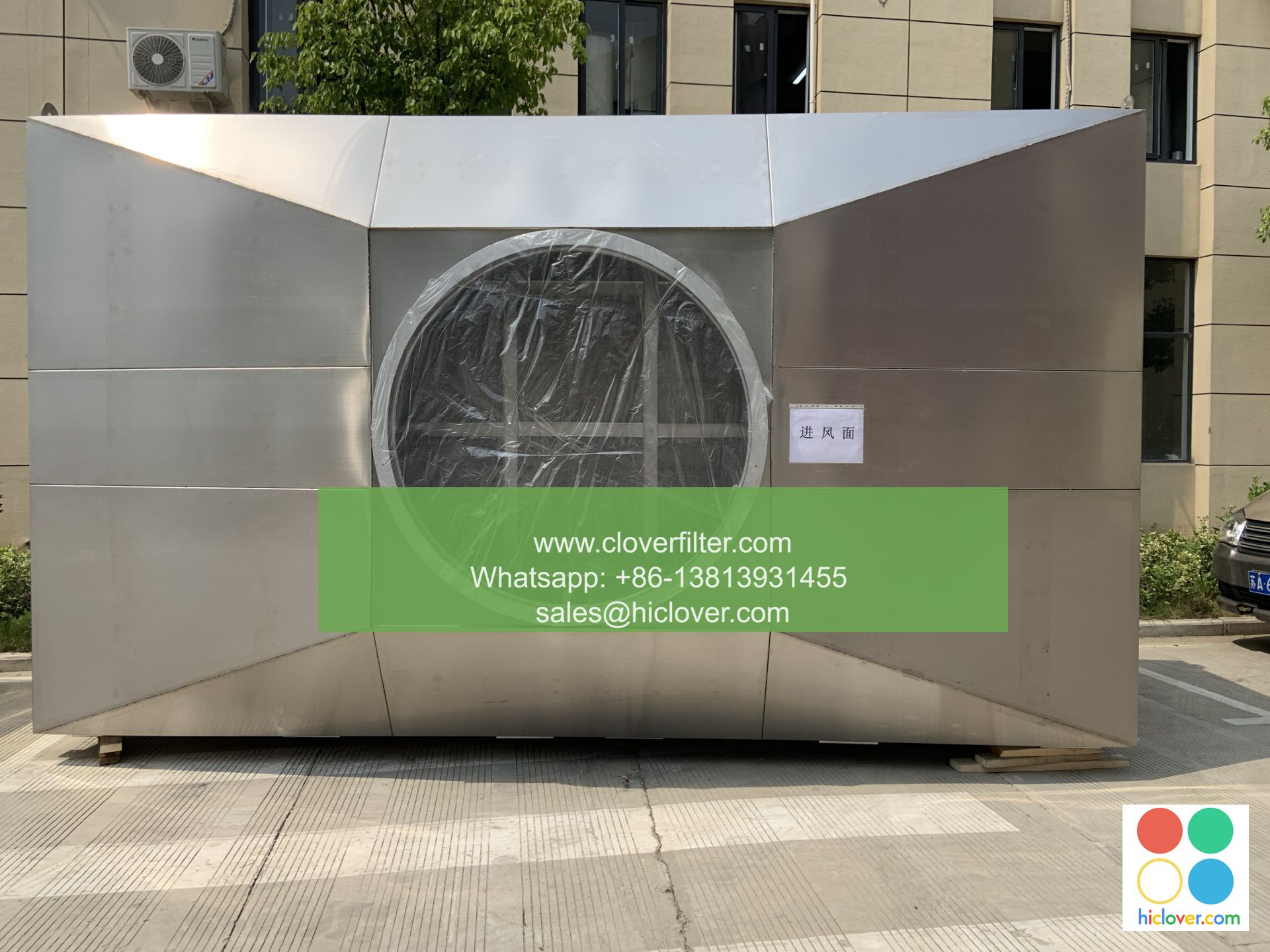
Air filter systems are a crucial component in various industries, including HEPA filtration, industrial dust collection, and commercial HVAC systems. A well-designed air filter system can improve indoor air quality, reduce energy consumption, and increase the overall efficiency of a facility. One of the key considerations in designing air filter systems is ease of maintenance. In this article, we will discuss the importance of easy maintenance in air filter systems and provide tips on how to design systems that are simple to maintain.
Importance of Easy Maintenance
Easy maintenance is essential in air filter systems because it can help reduce downtime, lower maintenance costs, and improve overall system performance. A system that is difficult to maintain can lead to reduced airflow, increased energy consumption, and decreased indoor air quality. Regular maintenance is critical to ensure that air filter systems continue to operate at optimal levels. This includes tasks such as filter replacement, cleaning, and inspection.
Design Considerations for Easy Maintenance
There are several design considerations that can make air filter systems easier to maintain. These include:
* Accessible filter locations: Filters should be located in areas that are easy to access, reducing the need for specialized tools or equipment.
* Simple filter replacement: Filters should be designed for easy replacement, with features such as quick-release latches or tool-free removal.
* Visual indicators: Visual indicators, such as pressure gauges or filter condition indicators, can help maintenance personnel quickly identify issues with the system.
* Modular design: A modular design can make it easier to replace or upgrade individual components, reducing downtime and maintenance costs.
Application Areas for Easy Maintenance Air Filter Systems
Easy maintenance air filter systems have a wide range of applications, including:
* Industrial facilities: Air filter systems are used in various industrial facilities, such as manufacturing plants, warehouses, and data centers, to improve indoor air quality and reduce energy consumption.
* Commercial buildings: Air filter systems are used in commercial buildings, such as office buildings, hospitals, and schools, to improve indoor air quality and reduce energy consumption.
* Healthcare facilities: Air filter systems are used in healthcare facilities, such as hospitals and clinics, to improve indoor air quality and reduce the risk of hospital-acquired infections.
* Food processing facilities: Air filter systems are used in food processing facilities to improve indoor air quality and reduce the risk of contamination.

Conclusion
Designing air filter systems for easy maintenance is crucial to ensure optimal system performance, reduce downtime, and lower maintenance costs. By considering design factors such as accessible filter locations, simple filter replacement, visual indicators, modular design and air filtration systems, air purification systems and ventilation systems, facilities can improve indoor air quality, reduce energy consumption, and increase the overall efficiency of their operations. Whether in industrial, commercial, healthcare, or food processing applications, easy maintenance air filter systems are a critical component in achieving these goals. It looks like you forgot to include the prompt!
Please go ahead and provide the prompt, and I’ll be happy to help. What would you like to talk about or ask?
