Designing an Air Filtration System for a Food Research Lab: Automatic Roll Air Filters Considerations
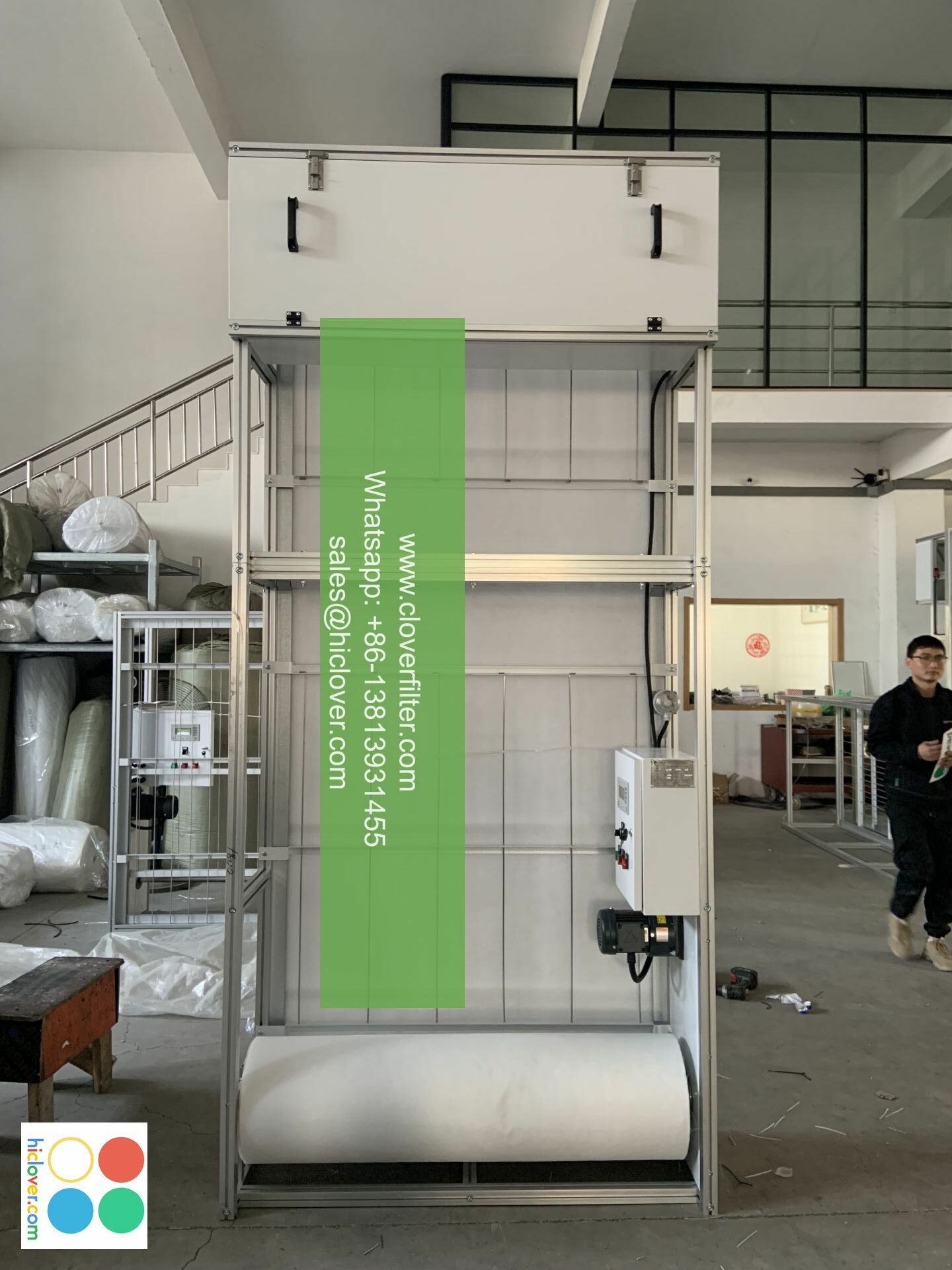
When it comes to designing an air filtration system for a food research lab, there are several factors to consider to ensure the lab maintains a clean and safe environment for researchers and the products being tested. One crucial aspect of this system is the type of air filter used. Automatic roll air filters have become a popular choice for such applications due to their efficiency, ease of use, and minimal maintenance requirements. In this article, we will explore the considerations for designing an air filtration system with a focus on automatic roll air filters for a food research lab.
A food research lab is a sensitive environment where the quality of the air can directly impact the accuracy of the research and the safety of the products being developed. The lab must be protected from airborne contaminants such as dust, pollen, and other particulates that could compromise the research. Automatic roll air filters are designed to capture these contaminants, ensuring the air within the lab remains clean and pure. These filters work by automatically rolling out a new section of filtering media as the old section becomes saturated with particles, thus maintaining a consistent level of air quality.

One of the key considerations when designing an air filtration system for a food research lab is the level of filtration required. Different types of research may demand varying levels of air purity. For example, research involving microbiological studies may require HEPA (High Efficiency Particulate Air) filters that can capture 99.97% of particles as small as 0.3 microns. Automatic roll air filters can be designed to incorporate such high-efficiency filtering media, ensuring that the lab meets the necessary standards for air purity.
Another critical factor is the airflow rate within the lab. The air filtration system must be capable of processing the entire volume of air within the lab in a timely manner to prevent the buildup of contaminants. The size and capacity of the automatic roll air filter must be selected based on the lab’s size, the number of occupants, and the types of equipment being used. A system that can handle a high volume of air without a significant drop in pressure is essential for maintaining a stable and clean environment.
Energy efficiency is also an important consideration. Labs are often operated 24/7, and the cost of running the air filtration system can be significant. Automatic roll air filters are designed to minimize energy consumption while maintaining peak performance. They achieve this through advanced motor designs and the ability to adjust airflow rates based on demand. This not only reduces operational costs but also minimizes the lab’s carbon footprint, contributing to a more sustainable operation.
The ease of maintenance and replacement of the filtering media is another factor to consider. In a lab setting, downtime for maintenance can be costly and inconvenient. Automatic roll air filters offer a convenient solution as they can be set to automatically roll out new filtering media at predetermined intervals or when the filter reaches a certain level of saturation. This minimizes the need for manual intervention and ensures that the lab operates continuously without interruptions.

Lastly, compliance with regulatory standards is paramount. Food research labs must adhere to strict guidelines set by health and safety organizations to ensure the products developed are safe for consumption. The air filtration system, including any automatic roll air filters, must meet these standards. It’s essential to work with suppliers who can provide filtration systems that are compliant with the relevant regulations and standards for the food industry.
In conclusion, designing an air filtration system for a food research lab requires careful consideration of several factors including the level of filtration needed, airflow rates, energy efficiency, maintenance requirements, and compliance with regulatory standards. Automatic roll air filters offer a reliable, efficient, and low-maintenance solution that can meet the demanding requirements of such labs. By selecting the appropriate automatic roll air filter and integrating it into a well-designed air filtration system, food research labs can maintain a clean, safe, and compliant environment for research and product development.
Frequently Asked Questions (FAQs)
Q: What is the primary advantage of using automatic roll air filters in a food research lab?
A: The primary advantage is their ability to maintain consistent air quality with minimal maintenance, as they automatically roll out new filtering media as needed.
Q: How often should the filtering media in an automatic roll air filter be replaced?
A: The replacement frequency depends on the level of contamination and the design of the filter. Many automatic roll air filters are designed to last for several months before needing replacement, but this can vary based on usage and environmental conditions.
Q: Can automatic roll air filters be customized to meet specific filtration requirements?
A: Yes, many manufacturers offer customization options for their automatic roll air filters, including the type of filtering media, filter size, and automation features, to meet the specific needs of a food research lab.
Q: Are automatic roll air filters energy efficient?
A: Yes, they are designed to be energy efficient. They use advanced motor technologies and can adjust airflow rates based on demand, which helps in minimizing energy consumption.
