Designing and Optimizing Cleanroom Air Filtration Systems with Automatic Roll Air Filters
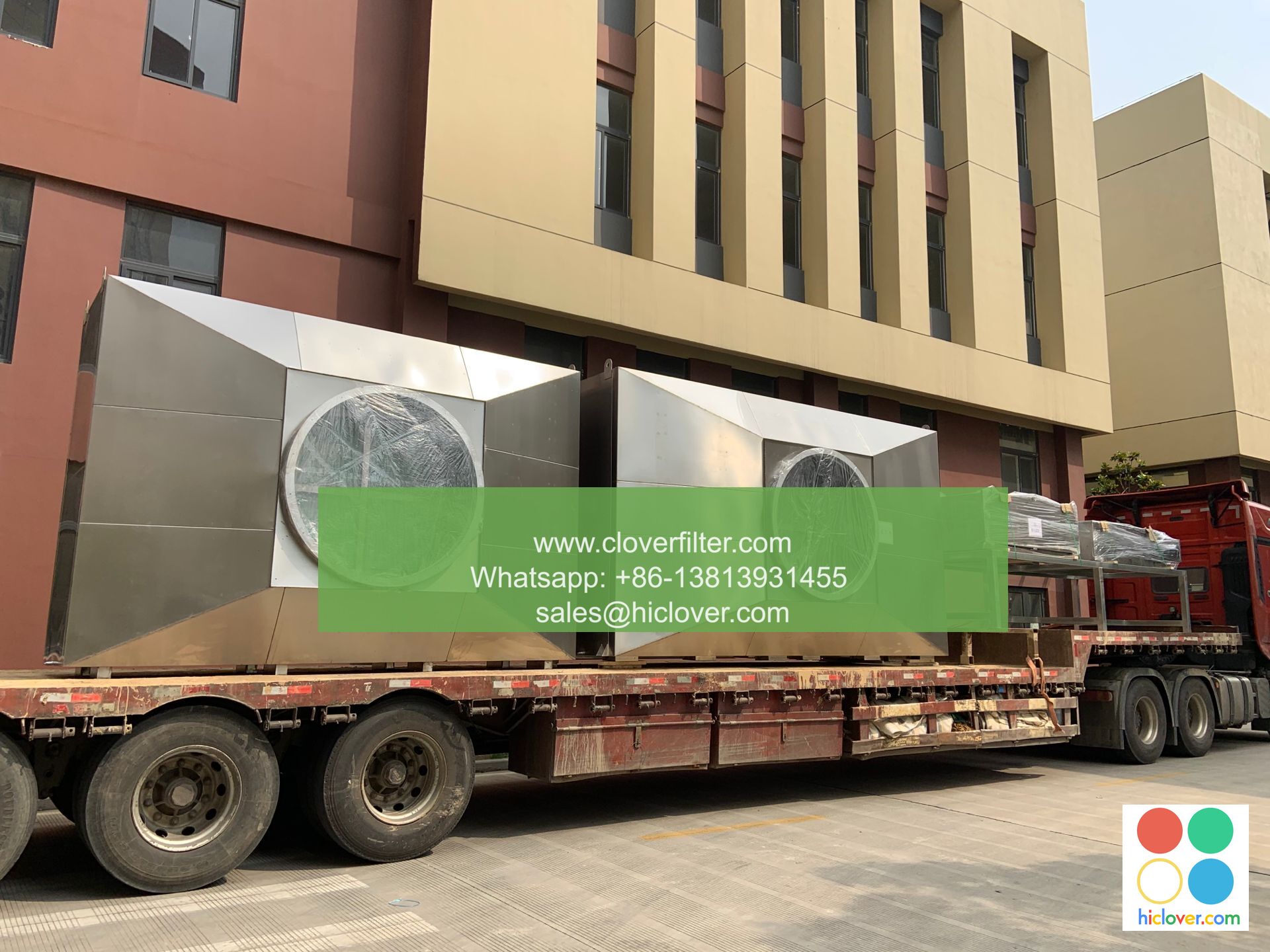
Cleanroom air filtration systems are crucial in various industries, including pharmaceuticals, biotechnology, and electronics, where controlling airborne contamination is essential. Automatic roll air filters have emerged as a popular choice for these systems due to their high efficiency, low maintenance, and cost-effectiveness. In this article, we will delve into the design and optimization of cleanroom air filtration systems incorporating automatic roll air filters, highlighting their applications in HEPA filter technology, ULPA filter systems, and laminar flow control.
Introduction to Automatic Roll Air Filters
Automatic roll air filters are designed to provide a continuous supply of clean air by automatically replacing the filter media as it becomes dirty. This is achieved through a rolling mechanism that advances a new section of filter media into position, ensuring uninterrupted airflow and consistent filtration efficiency. These filters are particularly useful in cleanroom environments where maintaining air quality and particles per million (PPM) levels is critical.
Design Considerations for Cleanroom Air Filtration Systems
When designing a cleanroom air filtration system, several factors must be considered to ensure optimal performance and airflow management. These include:
– Airflow rate and velocity to maintain
– Filter efficiency and capture rate to remove particulate matter, bacteria, and other contaminants.
– Filter media selection, including HEPA filters, ULPA filters, and activated carbon filters, based on the specific contamination control requirements.
– System redundancy and backup systems to ensure continuous operation in case of filter failure or maintenance.
Optimization Strategies for Cleanroom Air Filtration Systems
Optimizing cleanroom air filtration systems involves regular maintenance, monitoring, and performance evaluation. Key strategies include:
– Filter replacement schedules based on differential pressure and filter life to prevent filter breakthrough and maintain system efficiency.
– Airflow balancing and adjustment to ensure uniform airflow distribution and prevent dead zones.
– Contamination control measures, such as personnel training, cleaning protocols, and material handling procedures, to minimize intrinsic contamination.

Application Areas for Automatic Roll Air Filters
Automatic roll air filters find applications in various industries, including:
– Pharmaceutical manufacturing where cleanroom classification and FDA regulations dictate strict air quality standards.
– Biotechnology research and development where sterile environments and controlled atmospheres are necessary.
– Electronics manufacturing where static control and ESD protection are critical to prevent component damage.
– Medical device manufacturing where cleanroom protocols and ISO standards must be adhered to ensure product safety and efficacy.
Conclusion
Designing and optimizing cleanroom air filtration systems with automatic roll air filters requires careful consideration of various factors, including airflow management, filter efficiency, and contamination control. By understanding the principles of HEPA filter technology, ULPA filter systems, and laminar flow control, and applying optimization strategies, industries can ensure the production of high-quality products in cleanroom environments while maintaining regulatory compliance and cost-effectiveness.
