Designing Cleanroom Air Filtration Systems with Automatic Roll Air Filters: A Systematic Approach
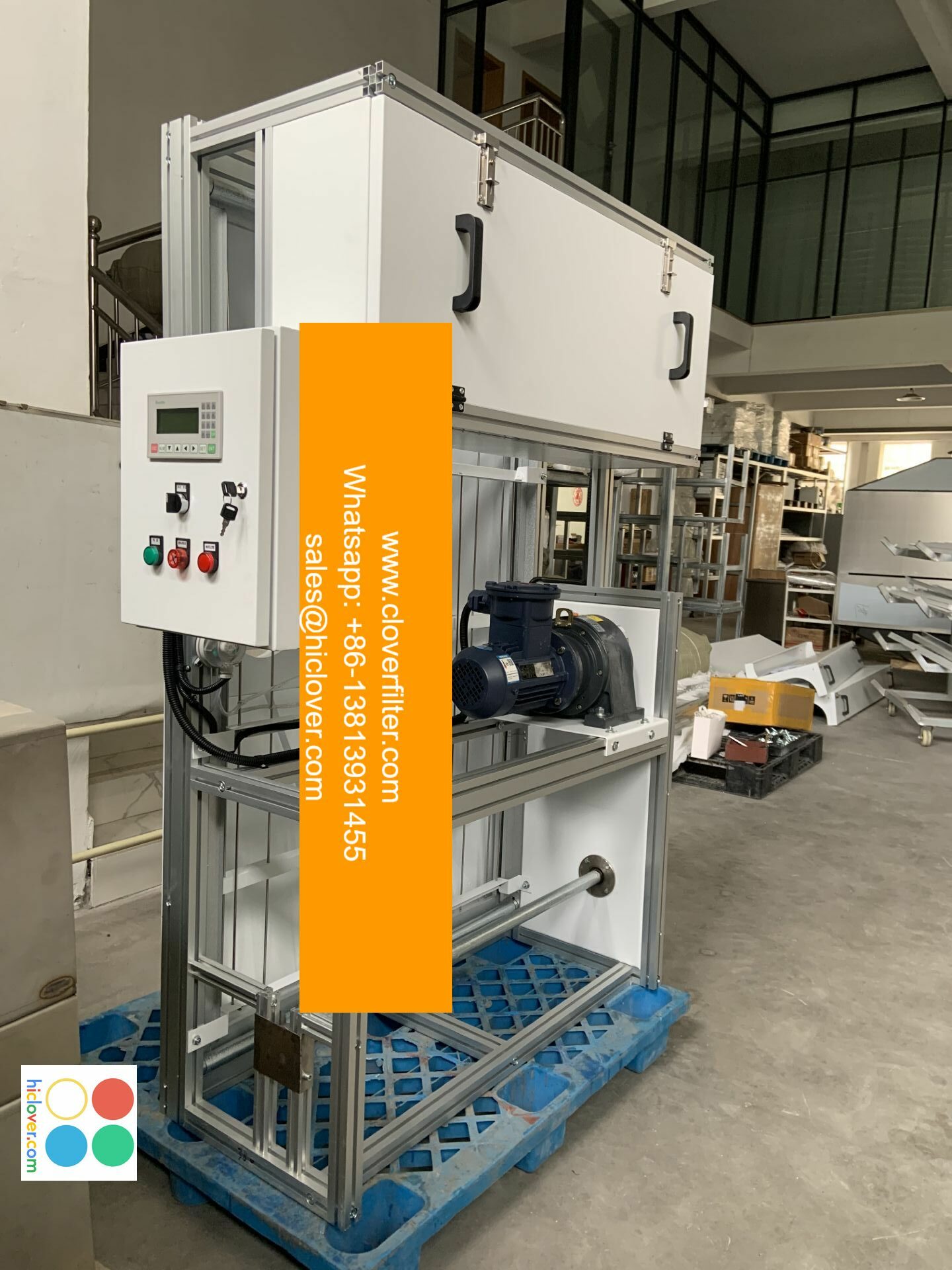
In industries where maintaining a controlled environment is critical, cleanroom air filtration systems play a pivotal role. The importance of effective filtration cannot be overstated, especially in sectors such as pharmaceuticals, biotechnology, and semiconductor manufacturing. This article outlines a systematic approach to designing cleanroom air filtration systems that incorporate automatic roll air filters, addressing various application areas.
Understanding Cleanroom Standards
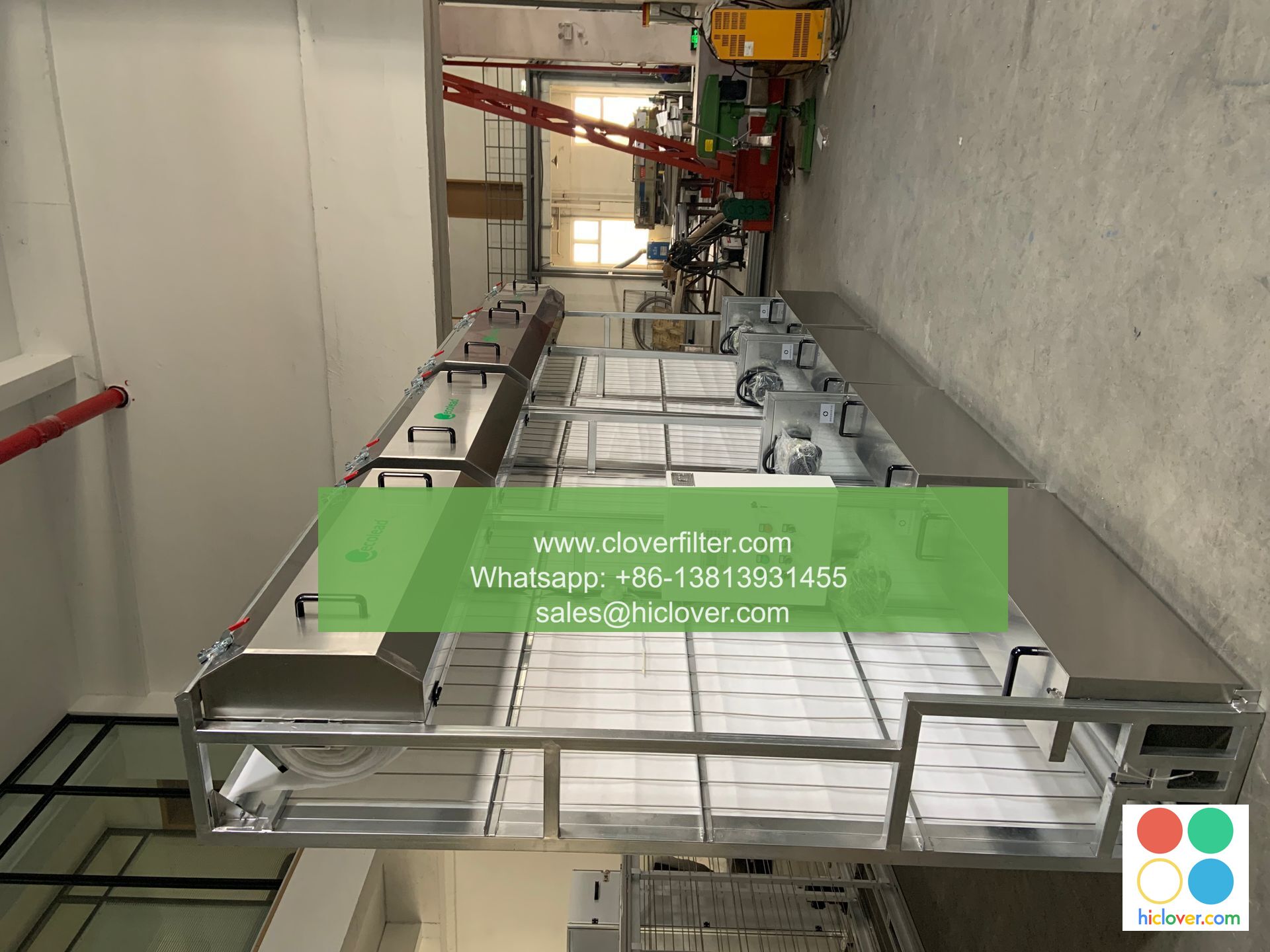
Before diving into the design process, it is essential to understand the specific cleanroom standards set forth by organizations like the International Organization for Standardization (ISO) and the Federal Standard 209E. These standards define the particle limits and cleanliness levels required in controlled environments.
Key Components of Cleanroom Air Filtration Systems
The effectiveness of a cleanroom air filtration system depends on several critical components:
- HEPA and ULPA Filters: High-efficiency particulate air (HEPA) and ultra-low penetration air (ULPA) filters are indispensable in trapping particles as small as 0.3 microns.
- Automatic Roll Air Filters: These filters offer a continuous filtration solution where the filter material rolls out, ensuring that the filter media is always fresh and effective.
- Air Handler Units (AHUs): These units integrate with the filtration system to maintain airflow and pressure within the cleanroom.
- Reduced Maintenance: The automatic roll system ensures that filter changes can be executed without interruption, reducing downtime.
- Cost-Effectiveness: With continuous filtration, these systems can optimize operational costs by minimizing energy use and extending the life of the filtration media.
- Improved Air Quality: By consistently providing fresh filter media, air quality is maintained at optimal levels, crucial for sensitive processes.
- Pharmaceutical Manufacturing: Ensures the sterility of products by maintaining ISO Class 5 or higher environments.
- Semiconductor Fabrication: Reduces contamination risks that could affect microchip production and testing.
- Aerospace: Maintains clean conditions for sensitive equipment and components during assembly and testing.
- Biotechnology: Provides a controlled environment for biological research and production processes.
The Advantages of Automatic Roll Air Filters
Automatic roll air filters present several advantages over traditional filter systems:
Systematic Approach to Design
Designing an efficient cleanroom air filtration system using automatic roll air filters involves the following systematic steps:
1. Define Cleanroom Requirements
Determine the cleanliness level required for your specific application based on industry standards. This step plays a vital role in selecting the appropriate filtration media.
2. Assess Airflow Rates
Calculate the necessary airflow rates to ensure adequate air exchanges per hour. This is influenced by the size of the cleanroom and the processes involved.
3. Choose Filter Type and Configuration
Select appropriate filters, including HEPA or ULPA filters, alongside automatic roll systems. Evaluate the configuration based on airflow dynamics within the cleanroom.
4. Design the Air Handling Unit
Your air handling unit must be designed to accommodate the chosen filters while ensuring uniform airflow distribution. Consider factors like noise levels and maintenance access.
5. Monitor and Optimize Performance
Implement monitoring systems to continually assess filter performance and air quality. This can include pressure gauges and particle counters for real-time data analytics.
Application Areas of Cleanroom Air Filtration Systems
Cleanroom air filtration systems equipped with automatic roll filters are particularly effective in various application areas:
Conclusion
Designing efficient cleanroom air filtration systems with automatic roll air filters requires careful planning and systematic execution. By understanding cleanroom standards, selecting appropriate components, and tailoring the system to meet specific application needs, organizations can significantly enhance air quality and operational efficiency. The adoption of automatic roll air filters not only supports compliance with rigorous standards but also optimizes the overall cleanroom performance, ensuring that industries maintain the highest levels of cleanliness and reliability.
