DIY Air Filter Maintenance: Tips to Keep Your System Running Smoothly
- Key Takeaways:
- Regular maintenance of air filter equipment ensures optimal performance.
- Understanding the mechanics of the Automatic Roll Air Filter can help in system longevity.
- Selecting the right air filter based on application is critical for efficiency.
- Avoid common pitfalls to enhance air quality and reduce costs.
- Real-world examples illustrate the importance of tailored air filtration solutions.
What Is an Automatic Roll Air Filter?

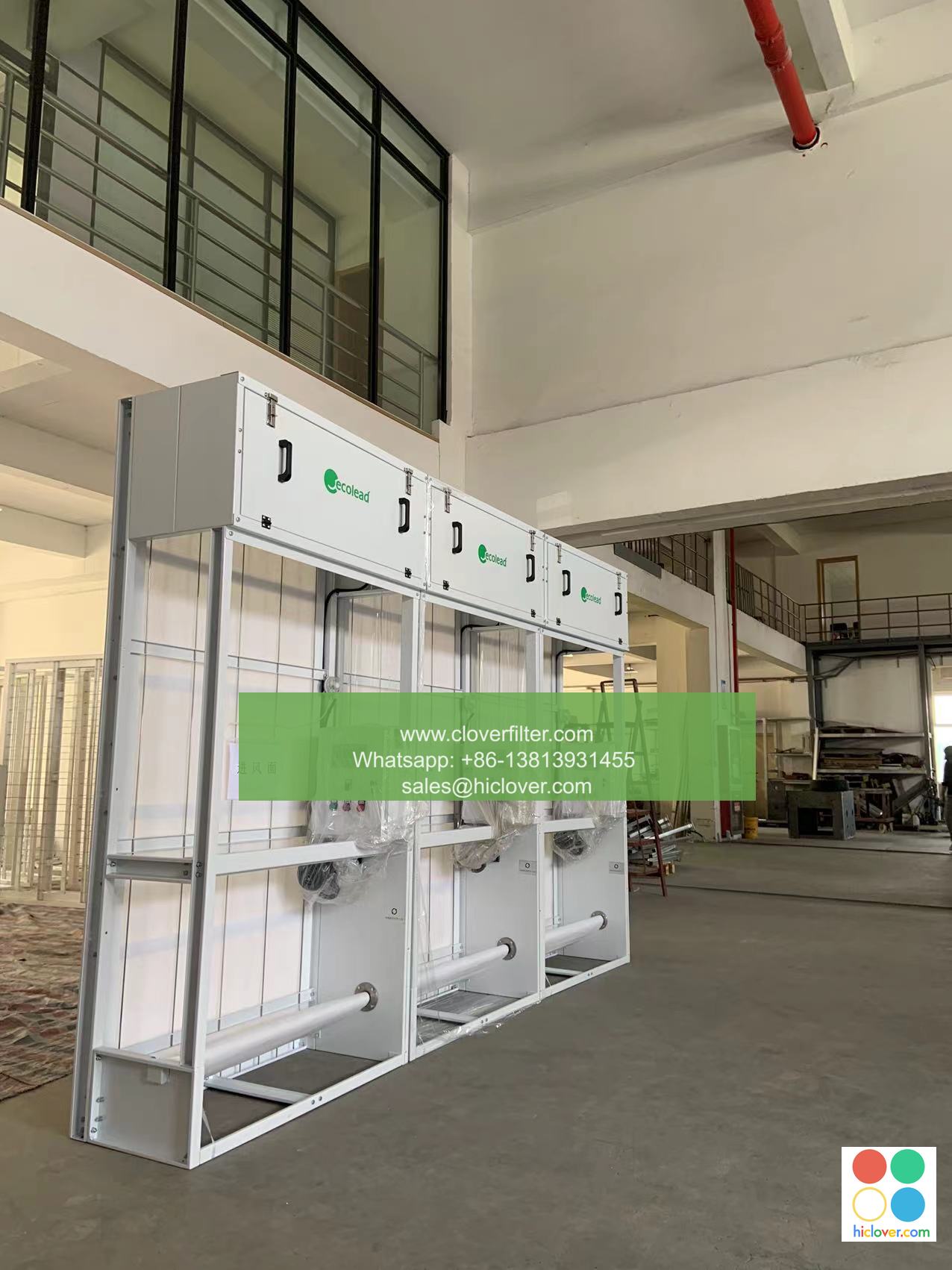
The Automatic Roll Air Filter is an innovative air filtration system designed to provide effective particulate control while minimizing maintenance efforts. This air filter equipment works by utilizing a roll media that advances automatically based on specific parameters set within the HVAC system. When the differential pressure reaches a predefined threshold, the dedicated controller activates the roll media mechanism, replacing the filter material seamlessly without manual intervention.
These systems are commonly installed in HVAC and AHU systems to improve fresh air intake while ensuring that harmful particles are filtered out. With features such as timer mode, the Automatic Roll Air Filter can also be programmed for routine automatic maintenance, making it ideal for various industrial applications like data centers, cleanrooms, and more.
How Does It Work?
The functionality of the Automatic Roll Air Filter is defined by three primary components:
- Roll Media Advance Logic: The roll of filter media feeds into the system gradually, allowing for continuous use. As particles collect, the advanced logic ensures that only the used portion is replaced.
- Differential Pressure Trigger: This technology monitors the airflow and determines when to replace the filter based on pressure changes. If airflow restriction is detected, the system automates the roll media advance.
- Timer Mode: Facilities can set up interval-based roll advancements to proactively manage filter lifespan and air quality.
- Airflow Range: Match the filter to your system’s airflow specifications. Typical values vary by application type.
- Face Velocity: Ensure compatibility with your system’s face velocity parameters to maintain efficiency and minimize pressure drops.
- Media Width/Length: Select media size that effectively covers the filter area without excessive overlap or waste.
- Frame Size: The physical dimensions should fit the existing HVAC system, facilitating easy installation.
- Control Options: Automations, timers, and sensors enhance the filter’s performance.
- Power Supply: Determine compatibility with available power types in your facility.
- Installation Location: Decide whether the filter will be placed in fresh air intake, return air ducts, or specific process areas for optimal air quality management.
- Ignoring the filter’s replacement intervals—set reminders for regular checks.
- Selecting the wrong media type for your application—always assess your facility’s needs.
- Overlooking the importance of proper installation—ensure installers follow best practices.
- Failing to monitor differential pressure readings—this can lead to unexpected filter failure.
- Forgetting to clean the surrounding air intake area—reduce the risk of contamination.
- Not conducting routine audits of air quality—this metric informs maintenance cycles.
- Using filters outside their operational parameters—check specifications before use.
- Neglecting to train staff on maintenance protocols—knowledge is key to effective filtration.
- Assuming all filters are equal—each project may require different solutions.
- Focusing solely on upfront costs—consider long-term energy savings and maintenance reduction.
-
Data Center: An Automatic Roll Air Filter was installed in a large data center to maintain optimal airflow and regulate temperature, reducing particulate accumulation and energy costs significantly.
-
Battery Factory: In a lithium battery manufacturing facility, the air filter equipment minimized contamination, safeguarding product quality and enhancing operational efficiency.
-
Paint Shop: A paint shop equipped with an Automatic Roll Air Filter experienced lower volatile organic compound (VOC) levels, leading to better compliance and worker safety.
-
Textile/Steel/Cement Plants: Implementing these filters in environments with high dust levels minimized particulate control issues, maintaining operational standards and safeguarding equipment.

By integrating such technology, organizations can maintain optimal indoor air quality while reducing manual maintenance tasks.
Selection Guide for Air Filter Equipment
When choosing an air filter for your facility, consider the following:
Comparison Table
| Feature | Automatic Roll Air Filter | Bag Filter | Panel Filter | V-Bank |
|---|---|---|---|---|
| Best Use Case | High particulate load | General purpose | Economical setups | Higher efficiency needs |
| Maintenance | Low, automatic | Moderate | Low | High |
| Pressure Drop Behavior | Stable, as designed | Variable | Variable | Stable |
| Operating Cost | Moderate, energy-saving | Higher, usually costly | Low | Moderate |
| Typical Risk/Downside | Limited manual operations | Requires frequent checks | Less efficient | Installation space heavy |
Common Mistakes & How to Avoid Them
Real-World Scenarios
FAQ Section
Q1: How often should I check my Automatic Roll Air Filter?
A1: It’s recommended to perform regular checks at least once a month, depending on the facility’s particle load.
Q2: Can the Automatic Roll Air Filter be installed in any HVAC system?
A2: While it’s versatile, ensure compatibility with your existing system’s specifications for optimal performance.
Q3: What is the average lifespan of an Automatic Roll Air Filter?
A3: Lifespan can vary based on usage, but generally, they last several months before needing attention.
Q4: Are there specific maintenance requirements for this air filter equipment?
A4: Minimal requirements include visual inspections and monitoring differential pressure indicators.
Q5: How does the cost compare to traditional filters?
A5: While the initial investment may be higher, the Automatic Roll Air Filter often results in lower long-term operational costs due to reduced maintenance and energy efficiency.
Q6: What standards do these air filters comply with?
A6: Many filters adhere to industry frameworks like ISO 16890, although specifics may vary by model; availability can be confirmed on request.
Conclusion
To ensure your HVAC system operates smoothly, it’s crucial to invest in effective air filter equipment like the Automatic Roll Air Filter from CloverFilter. The right maintenance practices can dramatically improve air quality and efficiency. For more tailored insights and to explore our product range, visit CloverFilter.
Meta Description: Discover essential tips and insights on DIY air filter maintenance for optimal air filter equipment management—maximize efficiency with CloverFilter.
For personalized assistance and expert consultations, reach out to CloverFilter at CloverFilter Contact.
It looks like you might have forgotten to include your request or question. How can I assist you today?
