DIY Air Filter Part Installation: A Step-by-Step Guide
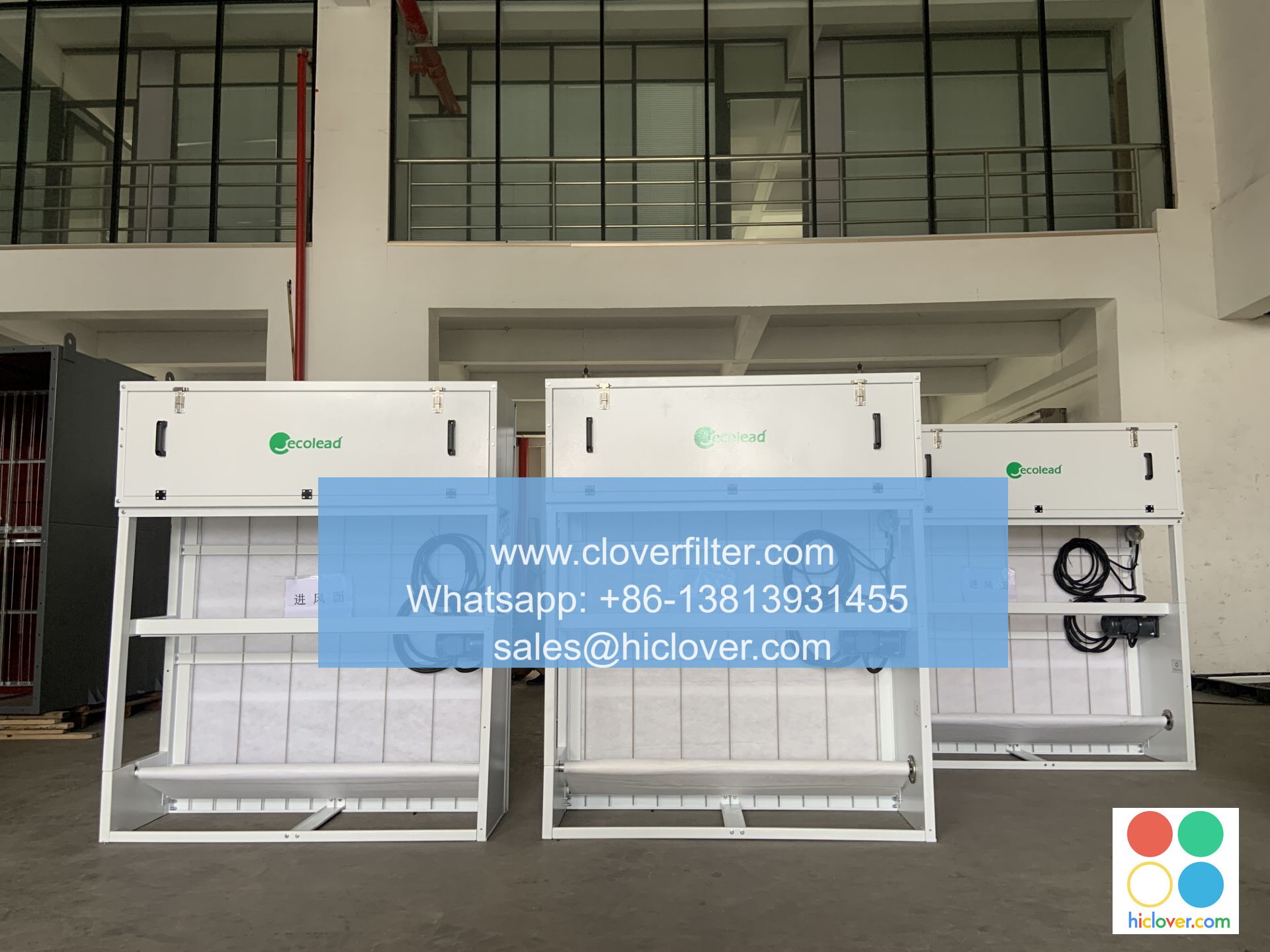
Installing a new air filter part can be a straightforward and rewarding DIY project, improving the indoor air quality and energy efficiency of your home or office. In this article, we will provide a comprehensive guide on how to install a heating, ventilation, and air conditioning (HVAC) air filter, highlighting various application areas and key considerations.
Pre-Installation Checklist

Before starting the installation process, make sure to:
- Purchase a replacement air filter that matches your HVAC system’s specifications and MERV rating.
- Turn off the power to your HVAC system at the circuit breaker or fuse box.
- Locate the air filter housing, usually found in the return air duct or near the furnace.
- Wear protective gear, including gloves and safety glasses, to avoid allergies and injuries.
Removing the Old Air Filter

To remove the old air filter, follow these steps:
- Open the air filter housing by removing the screws or clips that hold it in place.
- Gently pull out the old air filter, taking note of its air flow direction and gasket seal.
- Inspect the air filter housing for any dust or debris and clean it with a soft brush or vacuum cleaner.
Installing the New Air Filter
To install the new air filter, follow these steps:
- Take the new air filter and ensure it is properly seated in the air filter housing, with the air flow direction aligned with the HVAC system’s design.
- Replace any gaskets or seals that may have been disturbed during the removal process.
- Close the air filter housing and secure it with the screws or clips you removed earlier.
- Turn the power back on to your HVAC system and check for any leaks or air bypass issues.
Application Areas and Key Considerations
Air filter part installation is crucial in various application areas, including:
- Residential HVAC systems, where a clean air filter can improve indoor air quality and reduce energy bills.
- Commercial HVAC systems, where a well-maintained air filter can increase occupant comfort and productivity.
- Industrial HVAC systems, where a properly installed air filter can prevent equipment damage and downtime.
Key considerations when installing a DIY air filter part include:
- Filter size and type, which must match the HVAC system’s specifications.
- MERV rating, which affects the filter’s ability to capture particulates and pollutants.
- Maintenance schedules, which should be followed to ensure the air filter is cleaned or replaced regularly.
Conclusion
Installing a DIY air filter part can be a simple and effective way to improve the performance and efficiency of your HVAC system. By following the steps outlined in this guide and considering various application areas and key considerations, you can ensure a successful installation and enjoy the benefits of cleaner, healthier air. Remember to always follow safety guidelines and manufacturer instructions when working with electrical systems and HVAC equipment.
It looks like you forgot to include the prompt!
Please go ahead and provide the prompt, question, or topic you’d like to discuss, and I’ll be happy to help!
