DIY Air Filter Repairs: Essential Parts You Might Need
Key Takeaways:
- Understand the types and functions of essential air filter parts.
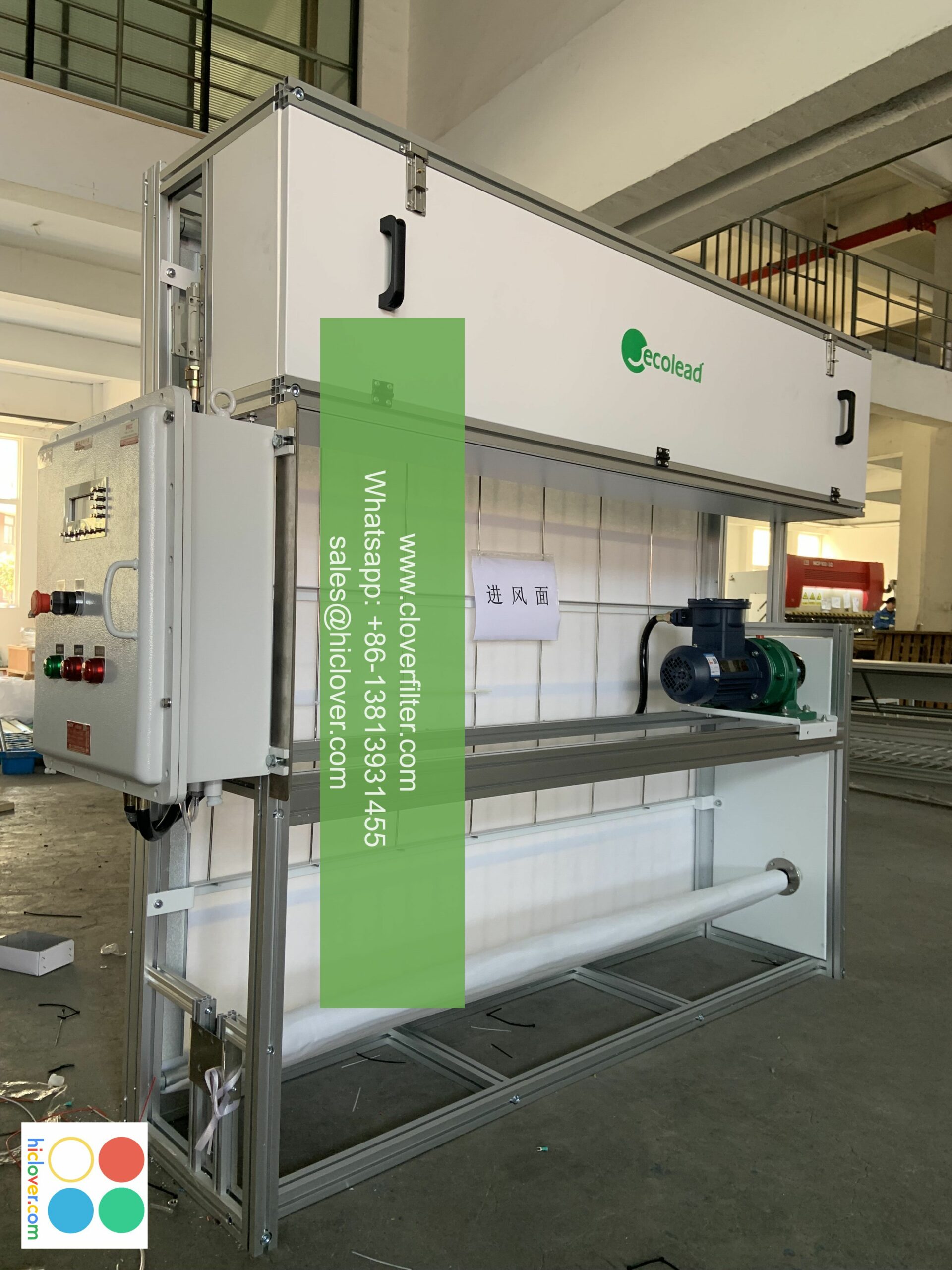
- Learn how an Automatic Roll Air Filter improves HVAC efficiency and maintenance.
- Discover practical selection criteria for different industrial applications.
- Identify common mistakes in air filter maintenance and how to avoid them.
- Explore real-world scenarios illustrating filter usage in various settings.
- Media: The filter material that captures particulates, available in various grades.
- Frames: Structural support for the filtration media, which must be compatible with your air handling system.
- Seals and Gaskets: Essential for preventing air leaks and ensuring that all air passes through the media.
- Differential Pressure Gauges: To monitor filter performance and establish maintenance schedules.
- Control Panels: For automatic filter advancement and monitoring system operation.
- Airflow Range: Ensure your air filter aligns with the specific airflow requirements of your system.
- Face Velocity: Determine the acceptable face velocity suitable for your application to optimize performance and limitations.
- Media Width/Length: Match dimensions to your HVAC system specifications to ensure a proper fit.
- Frame Size: Verify that the frame size accommodates the designed space in your system.
- Control Options: Choose between manual or automatic systems based on operational requirements.
- Power Supply: Identify if your setup requires a specific power source for automatic features.
- Installation Location: Consider whether the installation will be at fresh air intakes, return ducts, or in process applications.
- Neglecting Routine Maintenance: Schedule regular checks to assess and replace filters as needed.
- Using Incorrect Filter Sizes: Ensure you match dimensions precisely to avoid air leaks.
- Ignoring Pressure Readings: Monitor differential pressure gauges to maintain optimal performance.
- Improper Installation: Follow manufacturer guidelines for installation to ensure integrity and efficiency.
- Disregarding Air Quality Standards: Familiarize yourself with compliance frameworks relevant to your industry.
- Overlooking Control Options: Utilizing available automation can significantly enhance efficiency.
- Underestimating Environmental Impacts: Always consider the unique conditions of your facility when selecting filters.
-
Data Center: A leading tech company optimized their air quality management by implementing an Automatic Roll Air Filter. This extensive system reduced energy costs by 15% while maintaining compliance with strict environmental standards.
-
Battery Factory: In a lithium battery manufacturing plant, the automatic features of roll filters minimized particulate contamination, improving product yield and reducing the frequency of maintenance interventions.
-
Paint Shop: A paint booth integrated this filtration system to control volatile organic compounds (VOCs), achieving a cleaner work environment while meeting regulatory requirements for air quality.
-
Textile/Steel/Cement Plant: An industrial facility used an Automatic Roll Air Filter to handle high levels of particulate matter, greatly improving the air quality while extending equipment life and reducing maintenance costs.
Understanding the Automatic Roll Air Filter
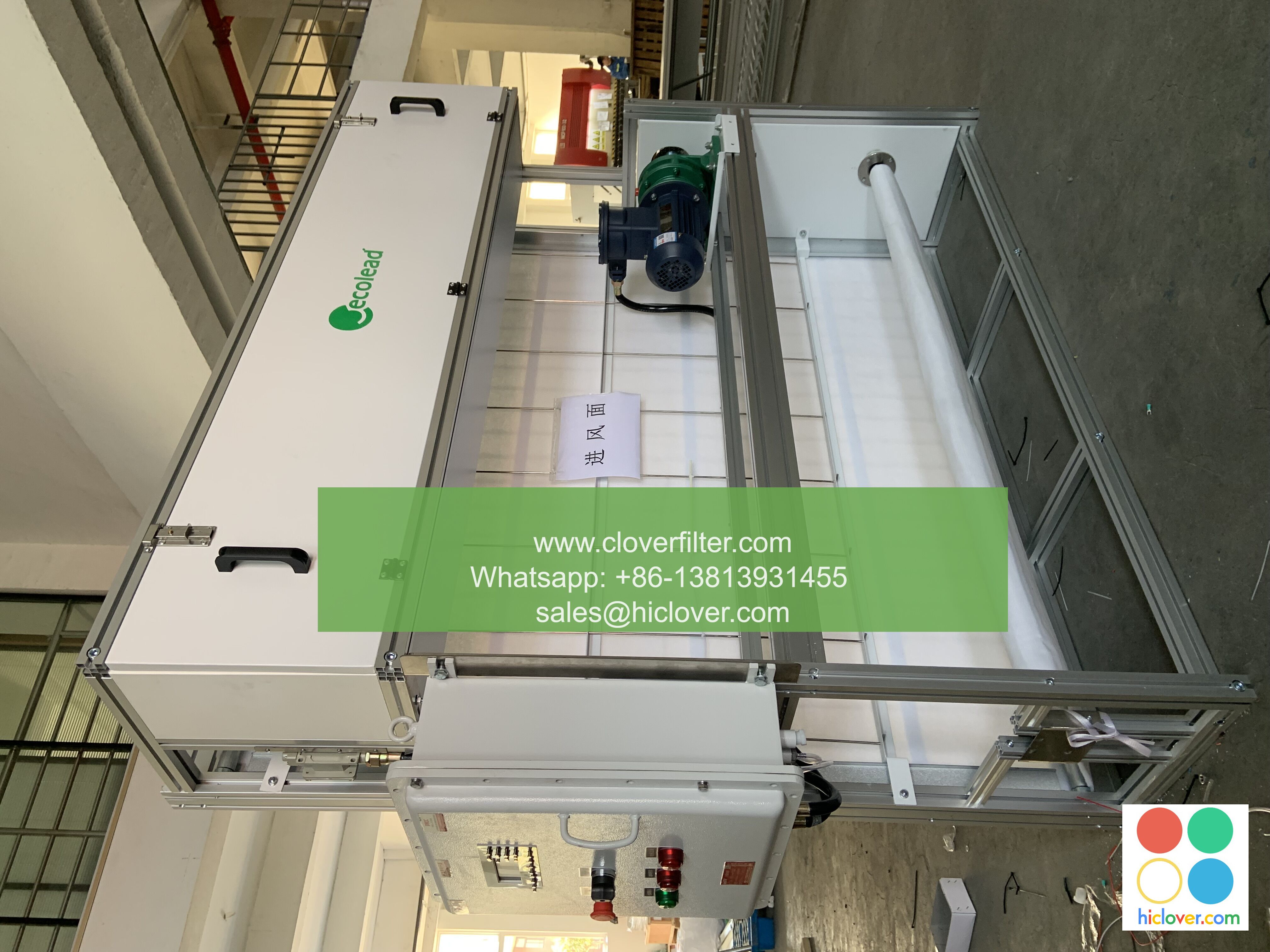
An Automatic Roll Air Filter is a vital component designed to enhance air quality in industrial and commercial settings. This innovative device utilizes roll media to capture airborne particulate matter effectively. The filter operates on an advanced logic system, triggering the roll media to advance based on differential pressure readings or pre-set timer modes. Installed in HVAC systems, particularly Air Handling Units (AHUs), these filters facilitate optimal fresh air intake while minimizing energy consumption.

By ensuring that air quality meets industry-specific standards, including ISO 16890 and MERV ratings, the Automatic Roll Air Filter can significantly contribute to maintenance reduction and energy saving efforts in facilities like cleanrooms, data centers, and production plants.
Essential Air Filter Parts You Might Need
When dealing with DIY air filter repairs, knowing the essential air filter parts can save time and resources. The following components should be included in any air filtration repair toolkit:
Practical Selection Guide for Air Filter Parts
When selecting air filter parts, consider the following criteria:
Comparison of Air Filter Types
| Filter Type | Best Use Case | Maintenance | Pressure Drop Behavior | Operating Cost | Typical Risk/Downside |
|---|---|---|---|---|---|
| Automatic Roll | Continuous operation | Low, less frequent | Consistent, low drop | Moderate, energy efficient | Initial setup cost |
| Bag Filter | Heavy particulate loads | Moderate, regular | Higher than panels | Varies with use | Clogging risk |
| Panel Filter | General air cleanliness | Frequent | Higher drop over time | Lower initial cost | Limited lifespan |
| V-bank | High efficiency required | Moderate | Very low drop | Higher due to media | Size management issues |
Common Mistakes & How to Avoid Them
Real-World Scenarios
FAQ Section
Q1: What are the most common air filter parts needed for DIY repairs?
A1: Commonly needed parts include filter media, frames, seals, differential pressure gauges, and control panels.
Q2: How does an Automatic Roll Air Filter work?
A2: It employs roll media, advancing via differential pressure detection or timer settings to ensure consistent filtration.
Q3: Where should I install these filters?
A3: Automatic Roll Air Filters can be installed at fresh air intakes, return ducts, or process applications.
Q4: How often should I check and replace filters?
A4: It is advisable to perform checks based on manufacturer recommendations and pressure gauge readings.
Q5: What is the longest lifespan for an air filter?
A5: Lifespan varies based on type and application but range from a few months to over a year with proper maintenance.
Q6: Can I customize my air filter system?
A6: Yes, many systems, including those from CloverFilter, offer options for customization based on your facility’s needs.
Q7: Are Automatic Roll Air Filters energy-efficient?
A7: Yes, they provide energy savings by reducing pressure drops and improving airflow efficiency.
Every facility manager and procurement professional understands the value of maintaining a reliable air filtration system. With precise information on essential air filter parts and guidance on choosing the right filters, you can enhance your operation while ensuring compliance with industry standards. For tailored solutions, visit CloverFilter at CloverFilter.com.
Meta Description: Discover essential air filter parts, Automatic Roll Air Filters, and maintenance tips for optimal HVAC performance. Ensure compliance and energy efficiency with CloverFilter.
It seems like you mentioned “Prompt”—could you please provide more details or clarify what you’d like to discuss or create? Whether it’s a creative prompt, a question, or something else, I’m here to help!
