DIY Air Filters: How to Make Your Own at Home
Key Takeaways:
- Understanding the components of an effective air filter.
- The advantages of Automatic Roll Air Filters in various settings.
- Practical guidance for selecting the right air filtration system.
- Common mistakes to avoid when setting up filtration systems.
- Real-world applications across different industries.
- Compliance considerations for air filtration standards.
- Useful resources for further assistance and guidance.
- Airflow Range: Determine the volume of air that needs to be filtered, measured in cubic feet per minute (CFM).
- Face Velocity: The speed of air flowing through the filter, essential for optimizing filtration efficiency while minimizing pressure drops.
- Media Width/Length: Choose dimensions that fit your existing framework to ensure proper installation.
- Frame Size: Ensure that the filter frame fits into the predetermined space in your HVAC system.
- Control Options: Consider the filtering system’s compatibility with existing controls for monitoring pressure and timer settings.
- Power Supply: Ensure the filter’s control unit is powered correctly, whether it’s through standard electrical connections or other means.
- Installation Location: Identify whether the filter will be placed in the fresh air intake, return ducts, or process areas to maximize performance.
- Ignoring Compatibility: Ensure your filter type matches your HVAC system.
- Underestimating Airflow Needs: Calculate CFM requirements accurately.
- Neglecting Maintenance: Follow recommended schedules to avoid efficiency losses.
- Selecting the Wrong MERV Rating: Higher isn’t always better; choose one suited for your needs.
- Overlooking Installation Details: Improper installation can lead to air bypass and reduced effectiveness.
- Forgetting About Filter Orientation: Install the filter in the correct direction as indicated on the frame.
- Using Outdated Standards as Guidelines: Stay informed about the latest compliance requirements.
What is an Automatic Roll Air Filter?
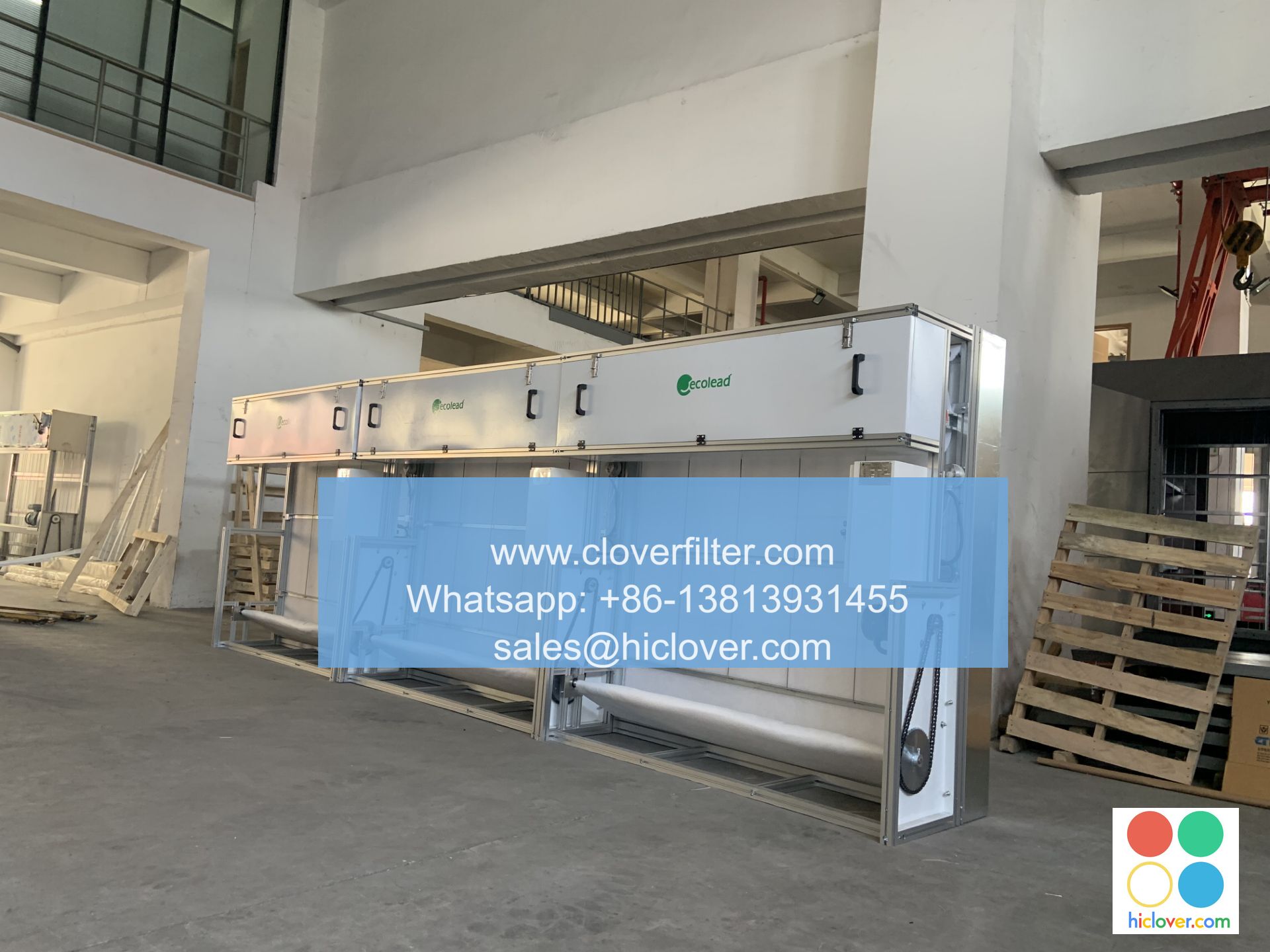
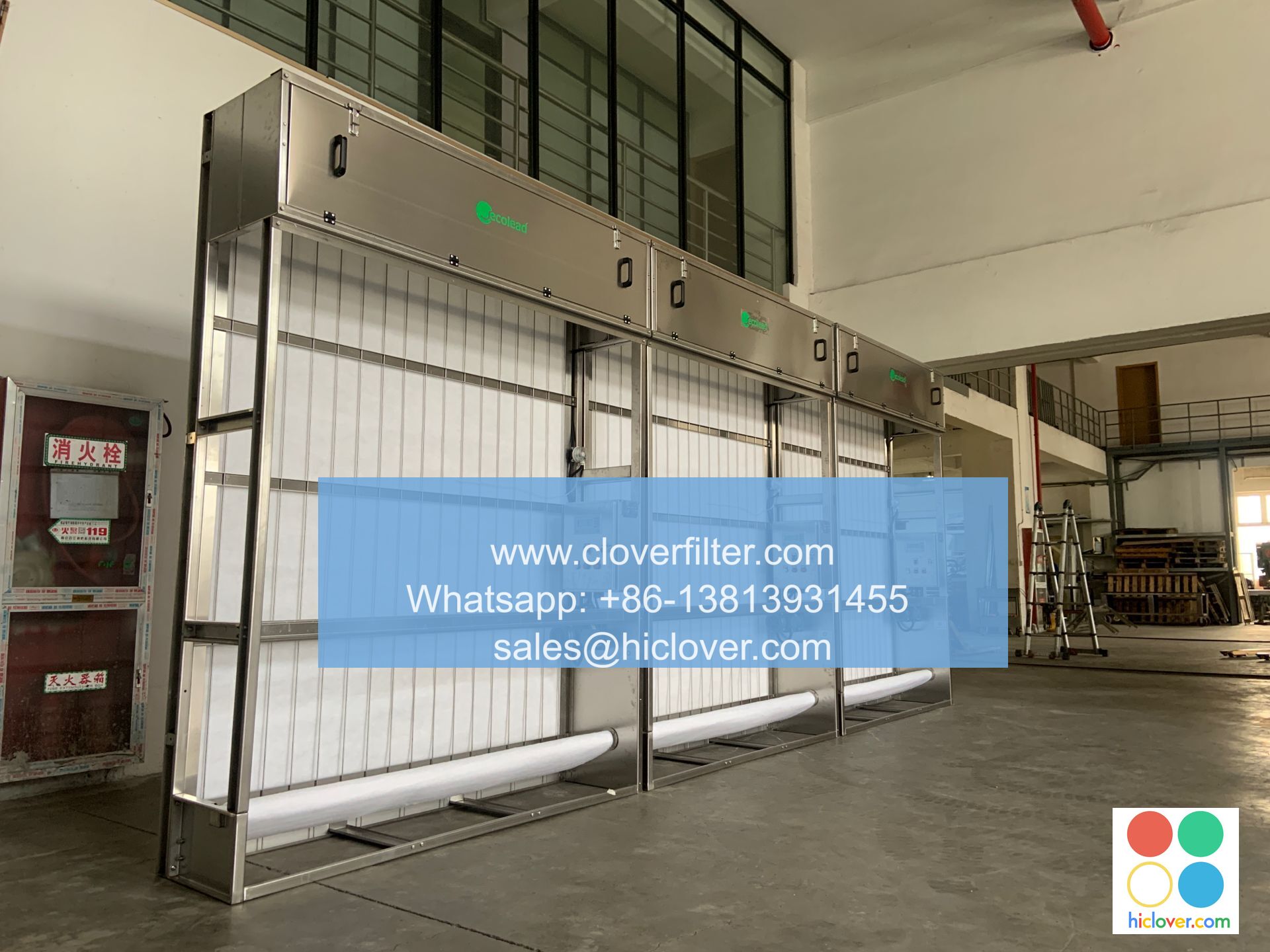
An Automatic Roll Air Filter is an advanced filtration solution designed for various HVAC (Heating, Ventilation, and Air Conditioning) systems. Its unique roll media advance logic allows it to maintain optimal filtration while minimizing maintenance workloads. The filter operates using a differential pressure trigger, ensuring that the media only advances when necessary, maximizing efficiency and saving energy. It integrates seamlessly into air handling units (AHUs), providing effective pre-filtration for fresh air intakes, make-up air systems, and return air drives.
How Does It Work?
The Automatic Roll Air Filter employs advanced technology to manage airflow and particulate control. The roll media is designed to automatically advance, activated by a differential pressure sensor that monitors the pressure drop across the filter. When the pressure reaches a predetermined threshold, the filter media advances to reveal a clean section, effectively extending the filter’s lifespan. Additionally, many models offer a timer mode, which can automatically dictate filter rolls based on preset schedules, providing further maintenance reduction.
Practical Selection Guide for Air Filters
When selecting an air filter for your facility’s HVAC system, consider the following factors:
Automatic Roll Air Filter vs. Other Filtration Types
| Filter Type | Best Use Case | Maintenance | Pressure Drop Behavior | Operating Cost | Typical Risk/Downside |
|---|---|---|---|---|---|
| Automatic Roll Air Filter | High-traffic areas in factories | Minimal, auto advancement | Low to medium | Cost-effective over time | Initial investment can be high |
| Bag Filter | General industrial use | Moderate | Medium | Moderate | Requires regular replacement |
| Panel Filter | Small to medium HVAC systems | High, requires frequent change | High | High | Higher energy costs due to pressure drop |
| V-bank | High dust-load applications | Moderate | Medium | Moderate | Can be bulky and challenging to install |
Common Mistakes & How to Avoid Them
Real-World Scenarios
Data Center
In data centers, maintaining a cool environment is crucial, and an Automatic Roll Air Filter can effectively manage particulate control while reducing energy usage. The filter allows for predictable air quality, which helps prolong equipment lifespan.
Battery Factory
A lithium battery factory demands high air purity to prevent contamination. Utilizing an Automatic Roll Air Filter ensures that the air remains clean, thereby supporting safety and production quality.
Paint Shop
In a paint shop, controlling airborne particulates is vital. The roll filter system enables the management of volatile organic compounds (VOCs) while effectively filtering out particulates, reducing both health risks and emissions.
Textile/Steel/Cement Plant
In these facilities, an increase in dust and particulates necessitates reliable filtration. An Automatic Roll Air Filter not only improves indoor air quality but also aids in prolonging equipment life, resulting in significant cost savings.
FAQ Section
Q: What is the typical lifespan of an Automatic Roll Air Filter?
A: Lifespan can vary significantly based on usage and particulate load but typically ranges from several months to over a year.
Q: Can Automatic Roll Air Filters be customized?
A: Yes, many manufacturers, including CloverFilter, offer customization options for frame size, media type, and control settings.
Q: What MERV rating should I look for?
A: The ideal MERV rating depends on your specific application, but ratings between MERV 8 and MERV 13 are common for industrial settings.
Q: Is professional installation recommended?
A: While DIY is possible, professional installation ensures optimal performance and compliance with safety standards.
Q: How often should the filters be checked?
A: Filters should be inspected at least monthly; however, the frequency can increase in dusty environments.
Q: Are Automatic Roll Air Filters energy efficient?
A: Yes, they are designed to lower energy consumption with effective particulate control and maintenance reduction.
Q: Does the Automatic Roll Air Filter help with odor control?
A: While primarily designed for particulates, certain media types can assist in reducing odors.
Conclusion
Creating DIY air filters may seem daunting, but understanding the options available, such as the Automatic Roll Air Filter from CloverFilter, simplifies the process of maintaining clean air in your environment. With careful selection, appropriate maintenance, and compliance with air filtration standards, you can significantly enhance air quality in industrial settings.
Explore the potential of DIY air filtration and learn more about the Automatic Roll Air Filter at CloverFilter. For additional assistance and information, feel free to contact us.
Meta Description: Discover how to create DIY air filters at home. Learn about Automatic Roll Air Filters and enhance your air quality for various industrial applications.
It seems like you entered the word “Prompt.” Could you please provide more context or specify what you would like assistance with? Whether it’s writing, brainstorming ideas, or something else, I’m here to help!
