Dust Control in Flour Packing Plants: Why Roll Media Matters
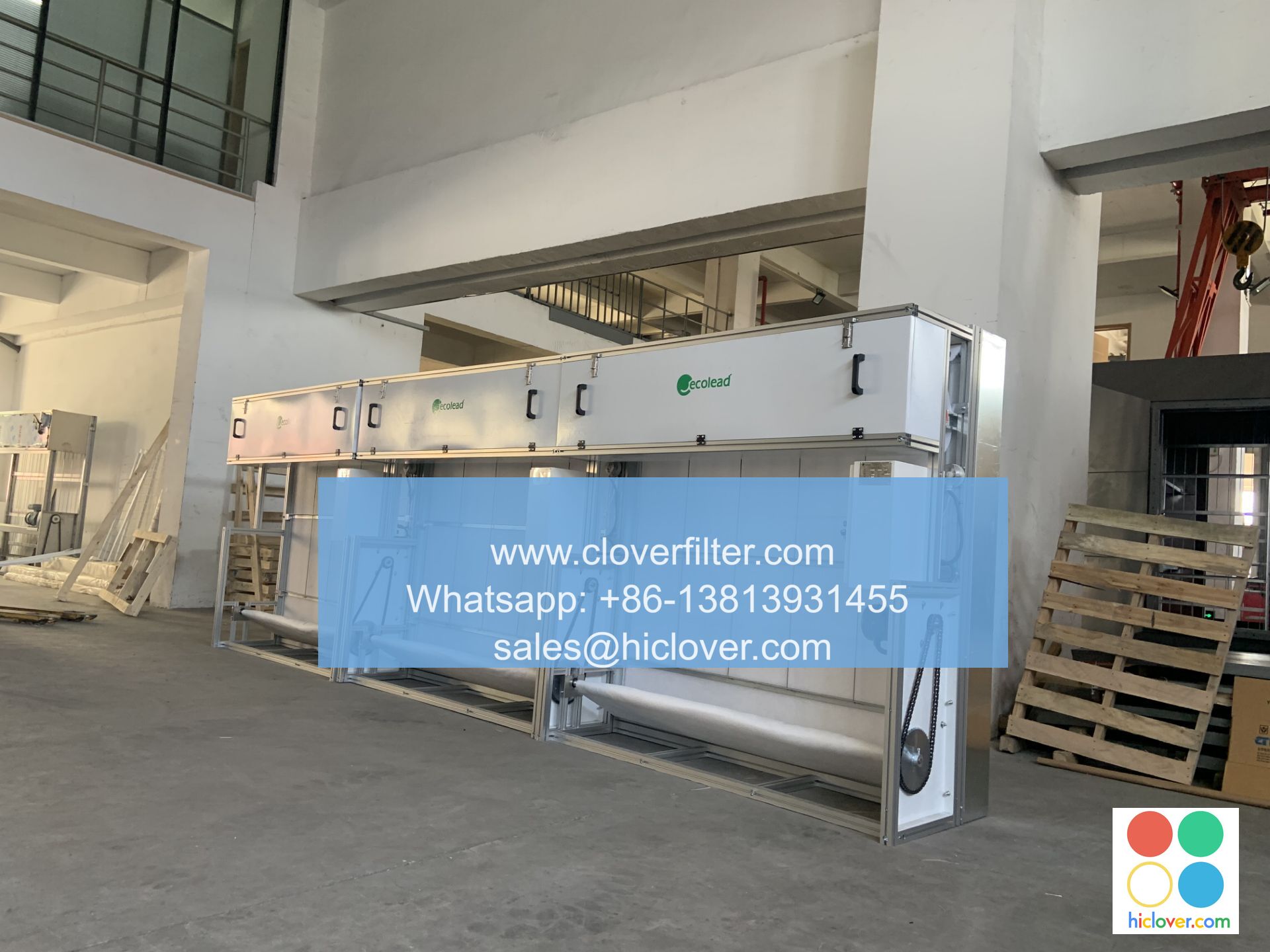
Flour packing plants operate in environments prone to dust generation, primarily due to the milling and handling of flour. Effective dust control is essential not only for maintaining a clean workplace but also for ensuring compliance with health and safety regulations. This article delves into why roll media is a pivotal element in dust control strategies within flour packing plants and highlights its various application areas.
Understanding Dust Generation in Flour Packing

Flour is a finely milled powder that can easily become airborne during handling processes. Dust generation occurs at various stages, including:
- Milling: As grains are processed, flour particles can escape into the air.
- Transporting: The movement of flour through conveyor systems creates disturbances that release dust.
- Packing: Filling bags or containers can cause slight splashes of flour, leading to dust emissions.
Health and Safety Risks Associated with Flour Dust
Flour dust poses several risks, including:

- Respiratory Issues: Inhalation of fine particles can lead to serious health problems such as asthma and chronic obstructive pulmonary disease (COPD).
- Fire Hazards: Flour dust is combustible and can create explosive atmospheres under specific conditions.
- Regulatory Compliance: OSHA and other regulatory bodies mandate strict controls on dust emissions to protect workers.
The Role of Roll Media in Dust Control
Roll media, such as filter rolls and fabric filtration systems, play an essential role in managing dust. Here’s why they matter:
1. Efficient Filtration
Roll media systems utilize a surface area designed to trap dust particles effectively. They can be customized to different particle sizes, ensuring optimal dust capture during various operations.
2. Flexibility and Adaptability
Roll media can be installed in various locations throughout the packing plant. Whether it’s at the milling operation, conveyor transfers, or packing stations, these systems can be adapted to meet specific dust control needs.
3. Cost-Effectiveness
Investing in roll media for dust control offers long-term savings. By reducing the need for frequent cleanings and mitigating health risks, plants can lower operational costs and enhance productivity.
Application Areas for Roll Media in Flour Packing
Roll media systems can be effectively employed in several key areas within flour packing plants:
1. Milling Operations
Installing roll media at milling stations helps capture airborne flour before it settles elsewhere, ensuring cleaner air quality and reducing the risk of dust-related incidents.
2. Conveyor Systems
Utilizing roll media along conveyor lines traps dust generated during the transport of flour. This application is vital for maintaining cleanliness throughout the packing process.
3. Packing Zones
In areas where bags are filled with flour, roll media can control dust virtually at its source. These systems can be configured to work alongside packing machines, ensuring minimum dust escape during filling.
4. Transfer Points
Roll media can be applied at transfer points where flour moves between systems, acting as a barrier against airborne dust emissions.
Best Practices for Implementing Roll Media
To optimize dust control with roll media in flour packing plants, consider the following best practices:
- Regular Maintenance: Ensure roll media is regularly inspected and maintained to uphold its efficiency.
- Worker Training: Educate staff on the importance of dust control and safety practices.
- Monitoring Systems: Utilize dust monitoring systems to identify high dust concentration areas and adjust roll media deployment accordingly.
Conclusion
Dust control in flour packing plants is a critical aspect of operational safety and efficiency. Roll media stands out as an indispensable tool in this regard, offering effective filtration, flexibility, and cost benefits. By strategically deploying roll media across various application areas, flour packing plants can minimize health risks, enhance worker safety, and adhere to regulatory standards. Investing in robust dust control strategies is not only a compliance measure but also a commitment to providing a healthier workplace for all employees.
It looks like you’re looking for a prompt! Could you provide a bit more detail on the type of prompt you’re interested in? For example, are you looking for a writing prompt, a discussion prompt, or something else? Feel free to specify any themes or subjects as well!
