Edmonton Hospital’s Air Quality Solution: The Installation of Automatic Roll Air Filters
Introduction
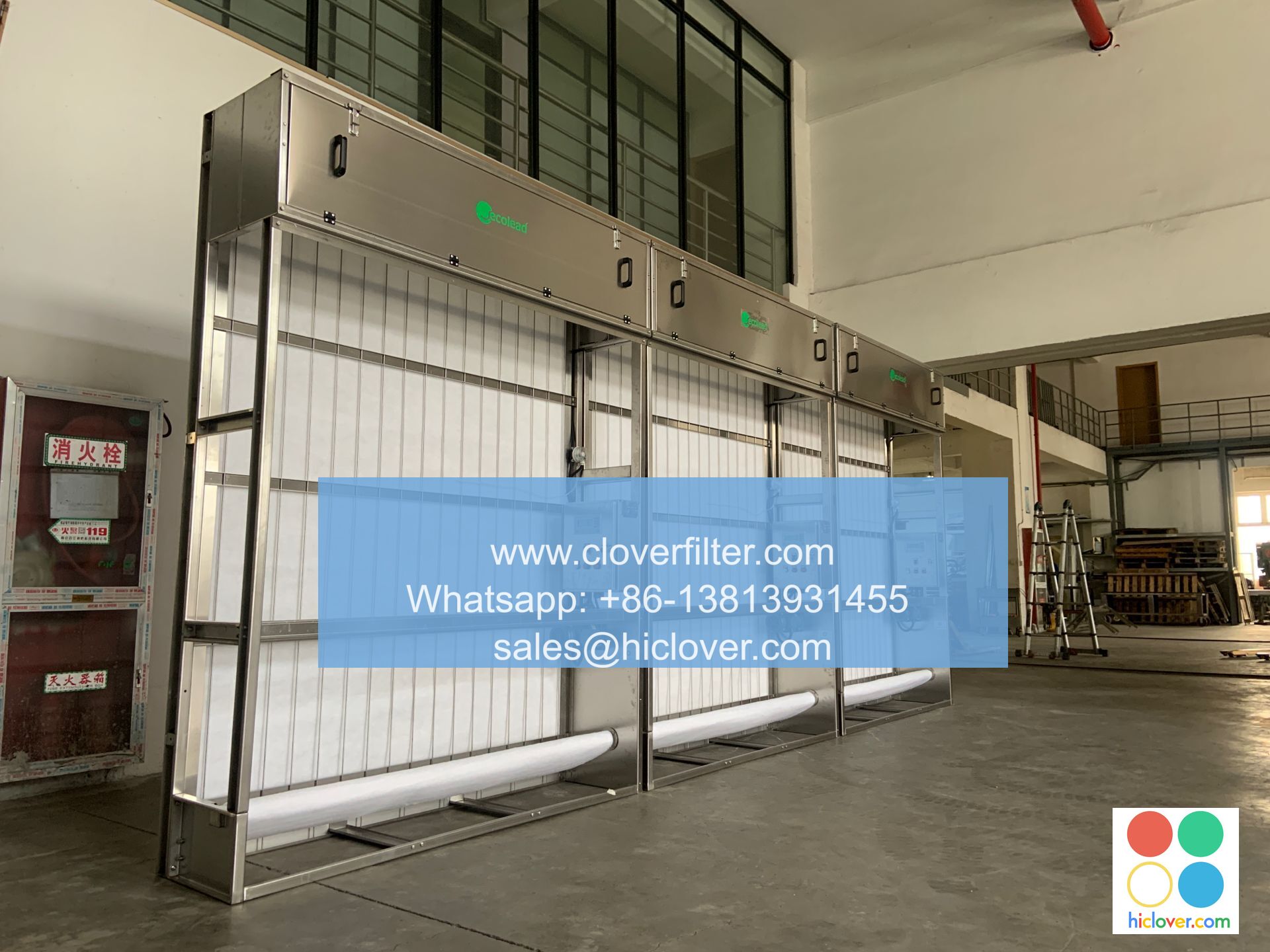
Edmonton Hospital has taken significant strides in enhancing air quality within its facilities by implementing state-of-the-art automatic roll air filters. Recognizing that indoor air quality is crucial not only for patient satisfaction but also for the overall health and safety of both patients and staff, the hospital’s administration has embarked on this innovative solution. The system aims to mitigate airborne pollutants, improve ventilation, and maintain a sterile environment, which is particularly vital in healthcare settings.

The Importance of Air Quality in Hospitals
Indoor air quality plays a crucial role in the health and comfort of hospital occupants. Poor air quality can lead to increased transmission of infectious diseases, heightened allergic reactions, and general discomfort. Hospitals must maintain stringent air quality standards to ensure patient recovery and staff safety. The installation of automatic roll air filters is a proactive approach to safeguarding this environment.
Features of Automatic Roll Air Filters
Automatic roll air filters offer several advantages over traditional filtration systems:
- Efficiency: These filters operate automatically, adjusting their function based on real-time air quality measurements, ensuring optimal performance.
- Reduced Maintenance: As the filters self-clean and manage their operation, maintenance needs are minimized, allowing staff to focus on patient care.
- Cost-Effectiveness: Their energy-efficient design can lead to significant savings on operational costs by reducing energy consumption and extending the life of HVAC systems.
- Enhanced Air Quality: These filters are capable of capturing a higher percentage of particles, allergens, and pathogens, which is critical in preventing hospital-acquired infections (HAIs).
- Assessing existing air handling systems to ensure compatibility with the new filters.
- Implementing a phased installation schedule to minimize disruption to hospital operations and patient care.
- Conducting rigorous testing post-installation to verify system functionality and air quality improvements.
- A decrease in respiratory-related complaints among both patients and staff.
- An increase in overall patient satisfaction scores, particularly regarding the comfort of the hospital environment.
- Enhanced compliance with health regulations and standards, leading to improved hospital ratings.

The Installation Process
The installation of the automatic roll air filters at Edmonton Hospital was a meticulously planned project. The hospital collaborated with HVAC specialists to identify the most vulnerable areas regarding air quality and the specific needs of various departments. The project involved:
Outcomes and Benefits
Since the installation of the automatic roll air filters, Edmonton Hospital has reported significant improvements in air quality metrics. Notable outcomes include:
Conclusion
The implementation of automatic roll air filters at Edmonton Hospital represents a significant advancement in the pursuit of optimal air quality in healthcare settings. As hospitals continue to evolve and face new challenges in patient care, innovative solutions like this will be paramount in fostering healthier environments. Investing in modern technology not only improves the immediate conditions within healthcare facilities but also leads to long-term benefits in patient health outcomes and operational efficiencies.
FAQs
1. What are automatic roll air filters?
Automatic roll air filters are advanced air filtration systems that self-adjust based on real-time air quality measurements to optimize air cleaning efficiency.
2. How do these filters improve air quality?
They enhance air quality by capturing a higher percentage of airborne particles, allergens, and pathogens, reducing the risk of infection and enhancing indoor air standards.
3. Is the installation process disruptive to hospital operations?
The installation is carefully phased to minimize disruption. Specialized teams work during off-peak hours to ensure normal hospital functions continue smoothly.
4. What are the long-term benefits of installing these filters?
Long-term benefits include reduced maintenance costs, lower energy consumption, improved patient and staff satisfaction, and enhanced compliance with health regulations.
