Edmonton Hospital’s Commitment to Clean Air: The Benefits of Automatic Roll Air Filters: A Case Study
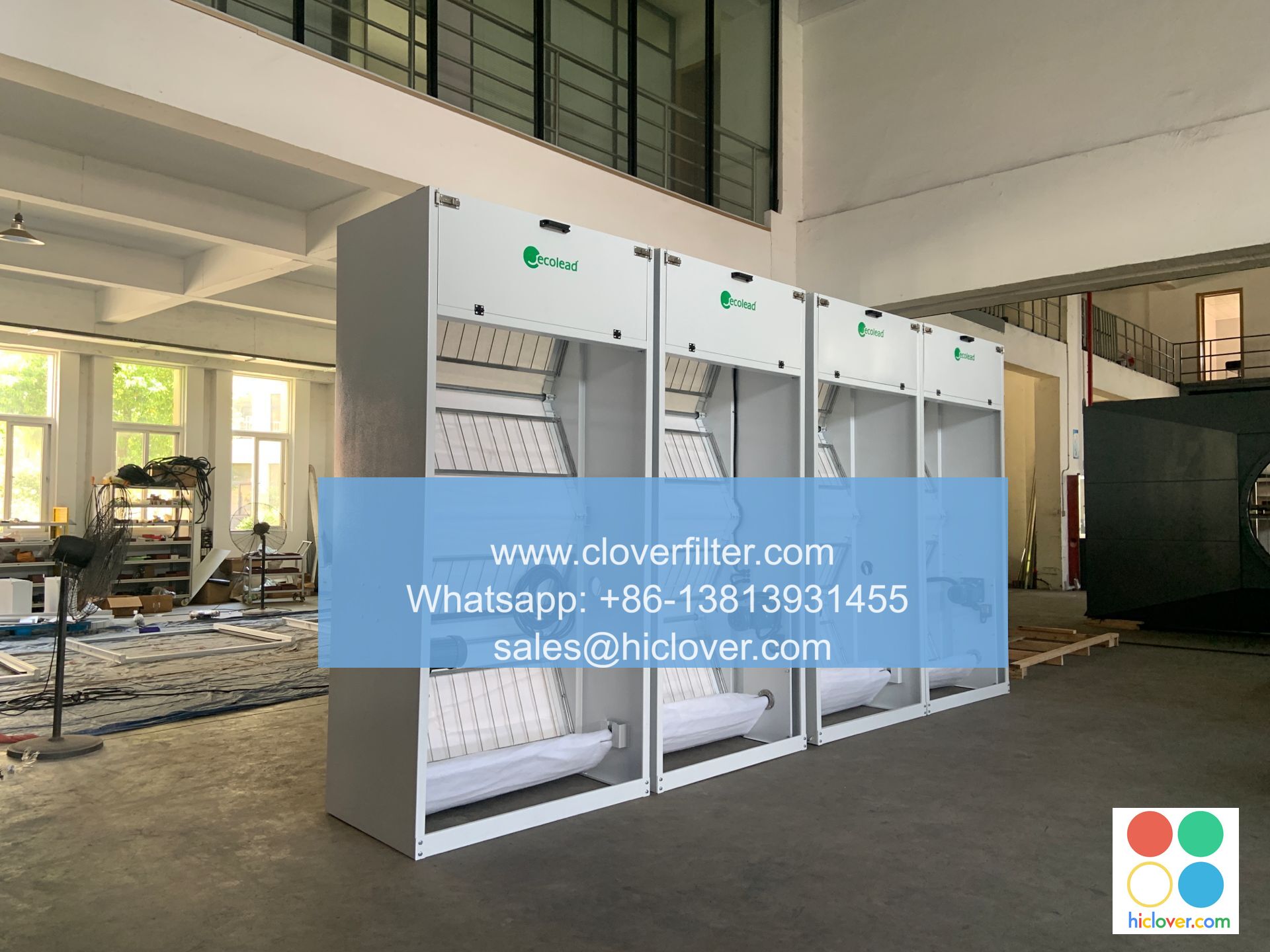
In recent years, the healthcare industry has increasingly recognized the vital importance of maintaining clean air quality within hospital environments. Edmonton Hospital, situated in Alberta, Canada, has taken significant strides toward ensuring that all patients and staff enjoy optimal respiratory conditions. One of the pivotal strategies employed by the hospital is the implementation of automatic roll air filters.
Understanding Automatic Roll Air Filters

Automatic roll air filters are state-of-the-art filtration systems designed to maintain high air quality levels through efficient air purification mechanisms. Unlike traditional filters, these systems continuously filter and roll out a new, clean filter, reducing downtime and maximizing airflow efficiency. These filters work by trapping dust, allergens, bacteria, and other airborne particles, thereby ensuring that the air circulating in the hospital is clean and safe.
Case Study: Implementation and Results
The introduction of automatic roll air filters in Edmonton Hospital was propelled by a comprehensive assessment of the hospital’s air quality needs. Prior to implementation, the hospital experienced numerous air quality issues, including higher-than-acceptable levels of particulate matter and volatile organic compounds (VOCs). This posed significant health risks, particularly for immunocompromised patients.
To combat this, the hospital partnered with leading environmental engineering firms to design a tailored automatic air filtration system. Installation included:
- Assessment of existing HVAC systems
- Integration of smart technology for real-time monitoring
- Training of hospital staff on maintenance and usage
- Fewer reported respiratory issues among patients and staff
- Improved recovery times for patients
- Enhanced comfort for everyone within the facility
- Reduced Hospital-Acquired Infections (HAIs): Cleaner air minimizes the airborne pathogens that can lead to infections in patients.
- Improved Patient Outcomes: Patients exposed to clean air tend to heal more rapidly and experience fewer complications.
- Enhanced Staff Well-being: Healthcare workers report lower levels of headaches, fatigue, and respiratory problems when working in environments with clean air.
Within just a few months of implementation, Edmonton Hospital reported a remarkable improvement in air quality metrics. In-house studies showed a reduction in airborne contaminants by over 85%, leading to:
The Benefits of Clean Air in Healthcare
The benefits of clean air in a healthcare environment extend beyond mere comfort. Good air quality has been linked to:
Conclusion
Edmonton Hospital’s commitment to clean air exemplifies the critical role that air quality plays in the overall health and safety of patients and staff alike. The investment in automatic roll air filters has proven to be a beneficial decision, not only improving air quality metrics but also enhancing the overall environment within the facility. As we move forward, this case study serves as a model for other healthcare institutions seeking to prioritize air quality as part of their operational strategy.
FAQs
1. What are automatic roll air filters?
Automatic roll air filters are advanced filtration systems that continuously provide clean air by automatically rolling out new filters, ensuring efficient air purification without requiring frequent manual changes.
2. How do automatic roll air filters improve air quality?
These filters trap airborne contaminants such as dust, allergens, and pathogens, significantly reducing the levels of harmful particles and improving overall air quality in indoor environments.
3. Can the installation of these filters reduce healthcare-associated infections?
Yes, maintaining clean air with effective filtration systems can significantly lower the risk of healthcare-associated infections by minimizing airborne pathogens.
4. Is it costly to implement automatic roll air filters?
While there is an initial investment, the long-term benefits, including improved patient outcomes and reduced healthcare costs, can outweigh the costs associated with installation and maintenance.
