Energy Efficiency in Roll HVAC: Best Practices for Adelaide’s Academic Medical Institutions

Understanding Roll HVAC Systems
Roll HVAC systems are pivotal in maintaining indoor environmental quality (IEQ) in modern academic medical institutions. These systems provide heating, ventilation, and air conditioning in a compact unit, often used in laboratories, research facilities, and patient care areas. Given the growing emphasis on energy efficiency, particularly in Adelaide, institutions must adopt best practices to optimize HVAC operations.

The Importance of Energy Efficiency
Energy efficiency plays a critical role in sustaining operational costs and reducing the carbon footprint of healthcare facilities. For Adelaide’s academic medical institutions, implementing energy-efficient HVAC solutions can lead to substantial savings and improved environmental conditions, ultimately enhancing patient and staff welfare.
Benefits of Energy-Efficient HVAC Systems
- Lower energy bills
- Extended equipment life
- Improved air quality
- Enhanced patient comfort and satisfaction
- Reduced greenhouse gas emissions
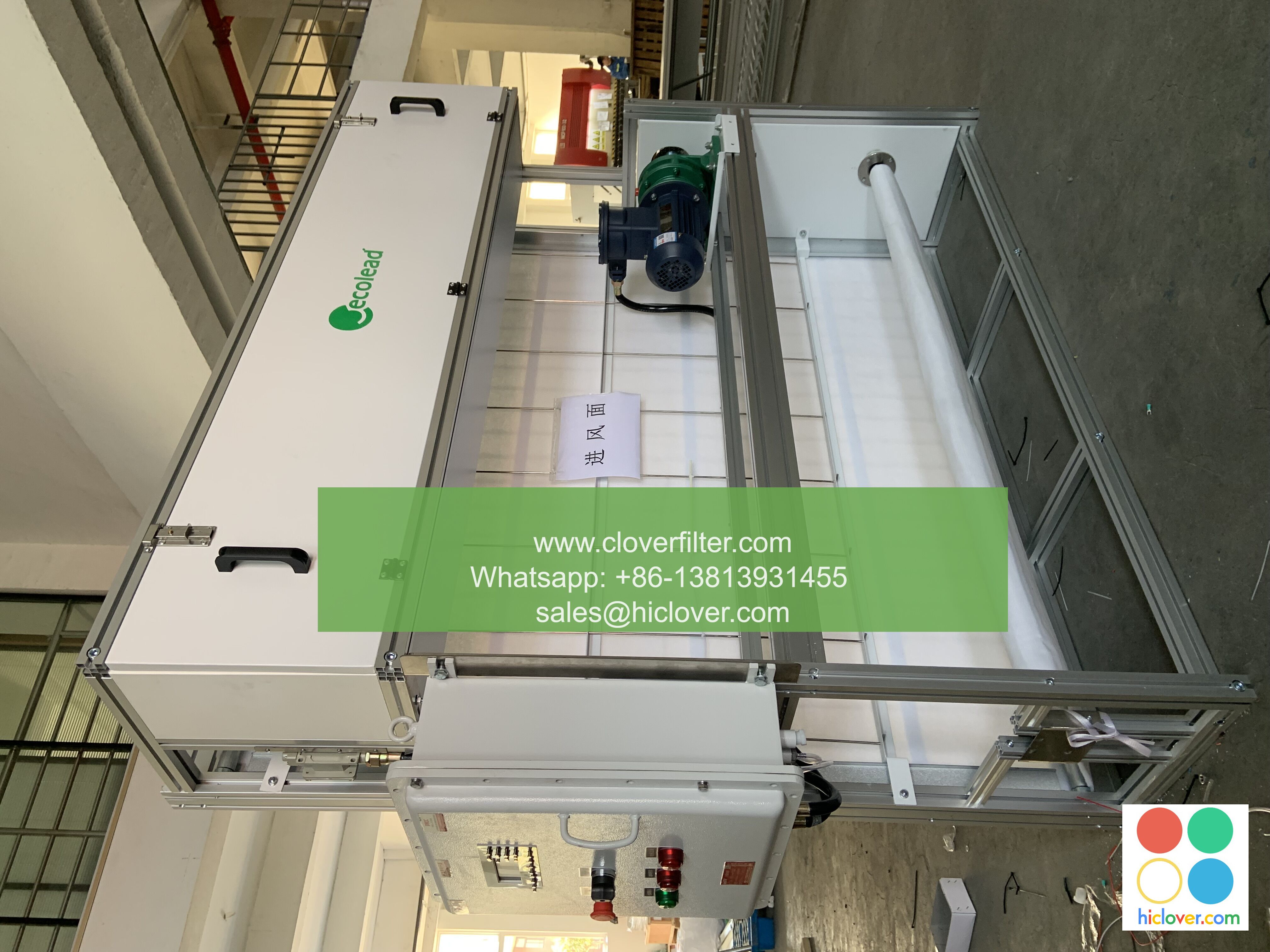
Best Practices for Energy Efficiency in Roll HVAC Systems
1. Regular Maintenance and Servicing
Routine maintenance of HVAC units is crucial. Engage qualified professionals to conduct regular checks, clean filters, inspect ductwork, and verify system performance to ensure optimal functionality. This practice helps to prevent unexpected failures and maintains energy efficiency standards.
2. Implement Smart Controls
Utilizing smart building technologies can significantly boost the energy efficiency of Roll HVAC systems. Advanced sensors and control systems can adjust temperature settings based on occupancy patterns, thus conserving energy in unoccupied areas.
3. Optimize Insulation and Weatherproofing
Proper insulation and weatherproofing minimize the load on HVAC systems. Institutions in Adelaide should evaluate building enclosures and ensure that walls, roofs, and windows are adequately insulated against external temperature variations.
4. Upgrade to High-Efficiency Equipment
When replacing aging HVAC systems, opt for high-efficiency units. Newer models often have better energy ratings and come equipped with advanced technologies that enhance overall performance.
5. Monitor Energy Usage
Implement energy monitoring systems to track the performance of Roll HVAC systems. Regular analysis of energy consumption data helps identify inefficiencies and operational anomalies, guiding targeted improvements.
6. Employee Training and Awareness
Training staff on the importance of energy efficiency is essential for successful implementation. Regular workshops can help cultivate a culture of energy savings among employees, making them more aware of their role in maintaining optimal HVAC performance.
Conclusion
By adopting these best practices, Adelaide’s academic medical institutions can significantly enhance the energy efficiency of their Roll HVAC systems. Not only will this lead to substantial cost savings, but it will also contribute to a healthier, more sustainable environment for patients, staff, and the wider community. In an age where energy conservation is paramount, integrating these strategies into daily operations is not just beneficial—it’s imperative.
Sure! What kind of prompt are you looking for? It could be creative writing, a question for discussion, a story starter, or anything else you’d like! Let me know, and I’ll be happy to help!
