Enhancing Aerospace Product Performance with Automatic Roll Air Filters in Chihuahua
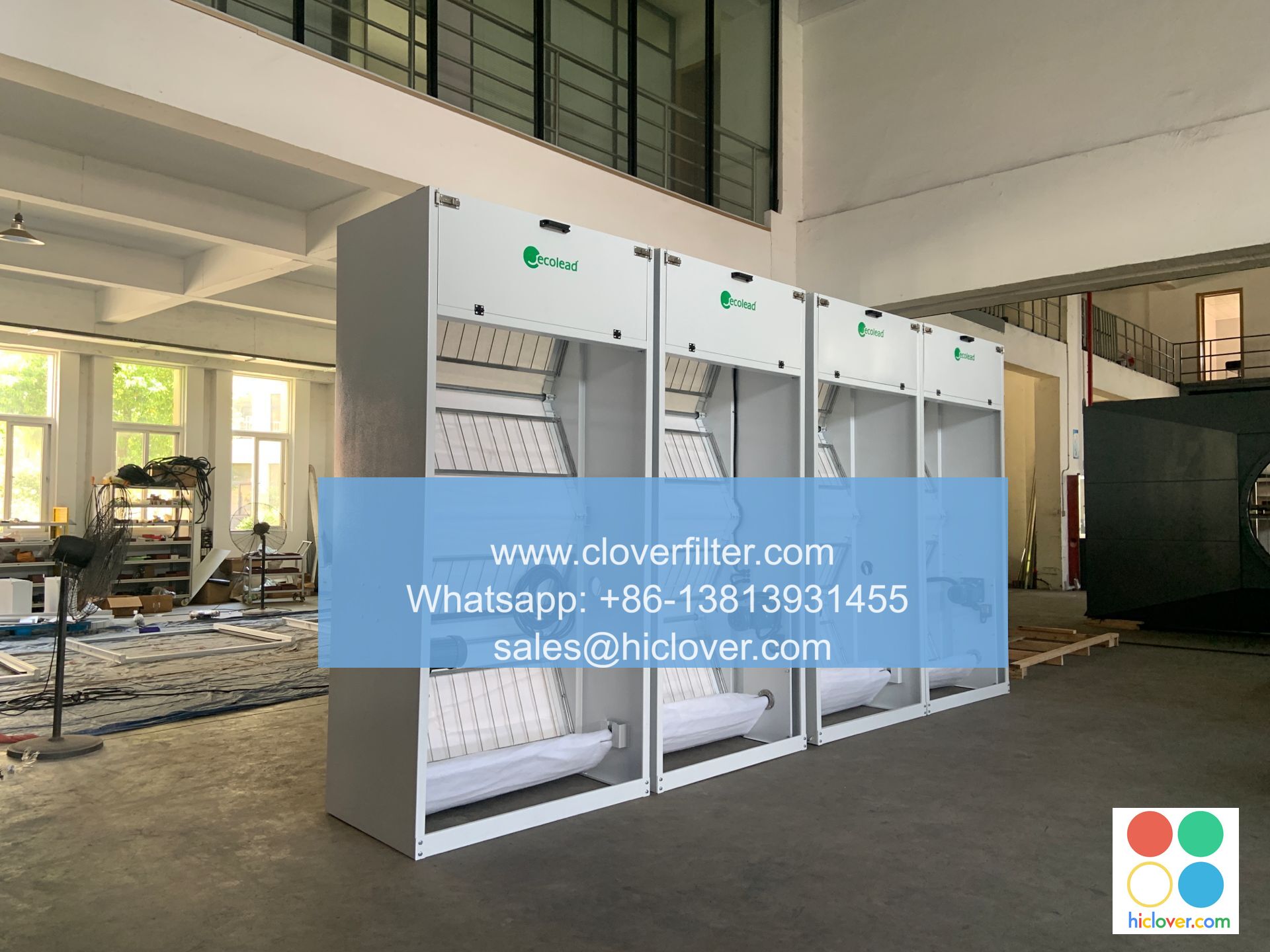
The aerospace industry is continuously striving for higher efficiency, safety, and reliability. In this quest, innovations play a crucial role, enabling manufacturers to improve their product offerings. One such significant advancement is the implementation of automatic roll air filters in aerospace applications, especially in regions like Chihuahua. This article explores how these advanced filters can enhance aerospace product performance across various sectors.
The Role of Automatic Roll Air Filters in Aerospace

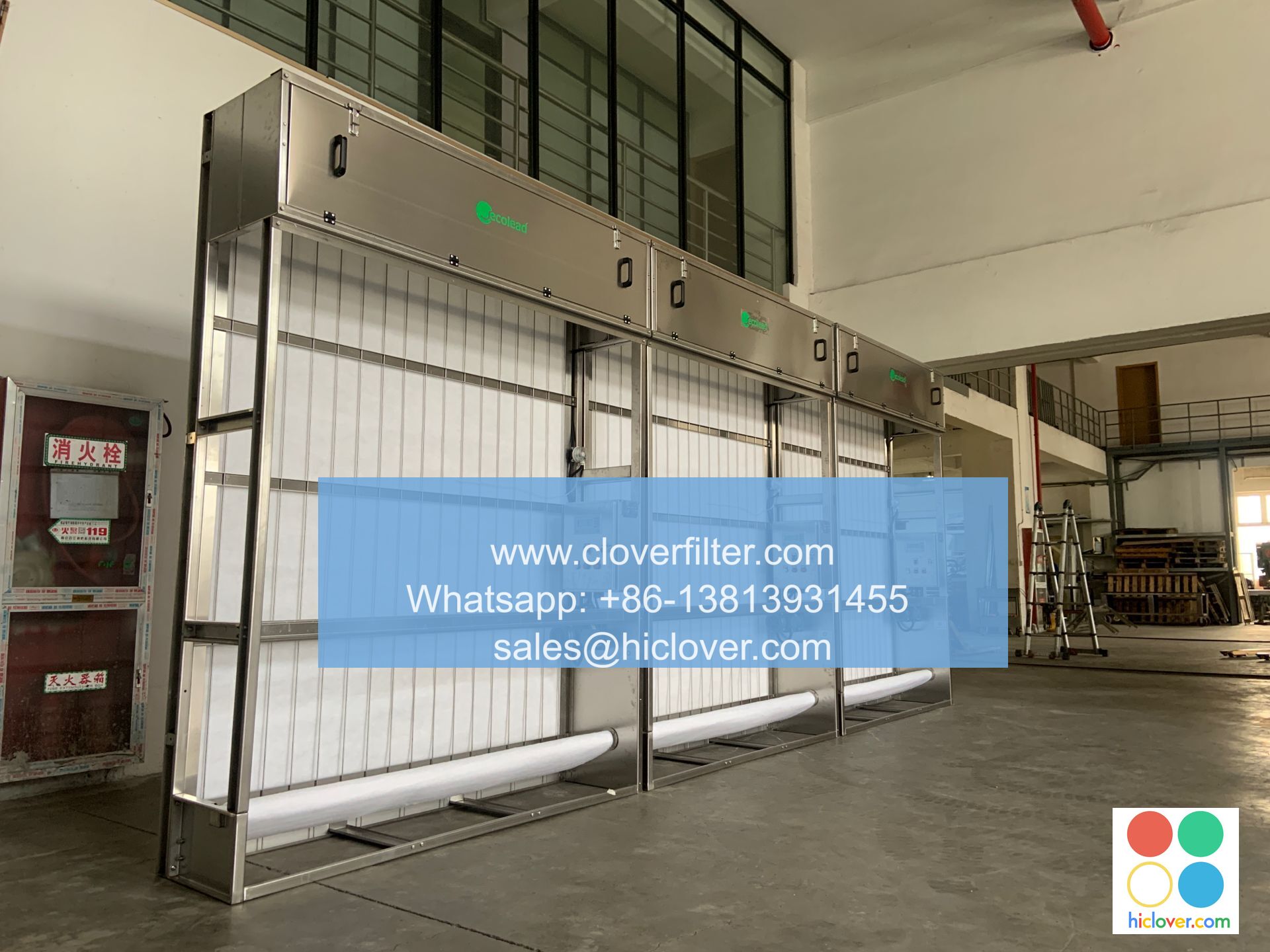
Automatic roll air filters are designed to manage air quality and airflow in aircraft systems, ensuring optimal performance under varying conditions. These filters automatically clean themselves, minimizing maintenance needs and operational downtime. Here are a few ways they contribute to aerospace performance:
1. Improved Airflow Efficiency
Efficient airflow is critical in aerospace systems for both safety and performance. Automatic roll air filters enhance airflow by reducing resistance, which allows engines to perform at optimal levels. This efficiency translates into fuel savings and reduced emissions, aligning with environmental goals in the aerospace sector.
2. Enhanced Reliability
With the capability to self-clean, automatic roll air filters reduce the risk of clogging, which can compromise system performance. This reliability is vital in aerospace applications, where any failure can have catastrophic consequences. Regular cleaning cycles ensure that the filters maintain their effectiveness over time, providing additional assurance for aerospace manufacturers.
3. Increased Lifespan of Aircraft Components
By ensuring that only clean air enters sensitive systems, automatic roll air filters help extend the lifespan of various components in aircraft. Components such as engines, avionics, and propulsion systems are less likely to suffer from dirt-related wear and tear, leading to lower maintenance costs and improved longevity of the aircraft.
Application Areas of Automatic Roll Air Filters in Aerospace
The versatility of automatic roll air filters allows them to be integrated into numerous aerospace applications:
A. Commercial Aviation
In commercial aviation, maintaining passenger comfort and safety is paramount. Automatic roll air filters ensure that cabin air remains clean and free of contaminants, supporting both health and comfort. Additionally, they enhance engine performance, leading to improved fuel efficiency.
B. Military Aircraft
For military applications, reliability and performance are critical. Automatic roll air filters can significantly contribute to the operational readiness of military aircraft by ensuring that systems remain uncontaminated in harsh environments. This is especially important during missions where every resource counts.
C. Space Exploration
The aerospace industry also faces extreme conditions in space. Automatic roll air filters can be utilized in spacecraft to maintain cabin air quality and protect sensitive instruments from particulate matter, ensuring longevity and dependable performance in challenging environments.
Case Study: Implementation in Chihuahua
Chihuahua has become a hub for aerospace manufacturing due to its strategic location and skilled workforce. Several aerospace companies in the region have begun integrating automatic roll air filters into their products. This implementation does not only enhance product performance but also positions Chihuahua as a leader in aerospace innovation. The effects of such measures have been notable:
- Cost Savings: Companies report significant reductions in maintenance costs due to decreased filter replacement frequency.
- Performance Metrics: Enhanced engine performance has been documented, leading to fuel savings and increased operational range.
Future of Aerospace with Automatic Roll Air Filters
The future of aerospace in Chihuahua looks promising as more manufacturers recognize the benefits of automatic roll air filters. As technological advancements continue to evolve, these filters are expected to become even more sophisticated, further increasing their efficiency and application range. This could lead to the development of next-generation aircraft that are not only more efficient but also environmentally sustainable.
Conclusion
Automatic roll air filters represent a significant advancement in the aerospace industry, particularly in regions like Chihuahua. By enhancing airflow efficiency, reliability, and component longevity, these innovative filters are set to transform aerospace product performance. As the industry continues to innovate, it is crucial for aerospace manufacturers to consider these solutions to meet the demands of new technologies and environmental standards.
