Enhancing Air Filtration Efficiency and Reducing Emissions with Automatic Roll Air Filters on Newfoundland Offshore Oil Platforms: A Case Study

In the competitive and environmentally-sensitive sector of oil extraction, the offshore platforms of Newfoundland face the dual challenge of maintaining operational efficiency while minimizing their environmental footprint. One of the key components of achieving this goal is through efficient air filtration and emission reduction systems. Automatic roll air filters emerge as a transformative solution to enhance air filtration efficiency and reduce emissions significantly.
The Role of Air Filtration in Offshore Oil Operations

Air quality is a critical consideration for offshore oil platforms. The equipment and operations generate a range of airborne pollutants and particulates that not only impair operational efficiency but can also pose health risks to personnel and contribute to environmental degradation. Effective air filtration systems mitigate these issues by capturing harmful particulates and gases.
Challenges with Traditional Air Filters
Traditional air filters often struggle with maintaining efficiency over time, leading to declines in performance that can adversely affect both air quality and equipment functionality. They typically require frequent manual replacements, resulting in increased downtime and maintenance costs. Furthermore, inadequately managed emissions can lead to regulatory penalties, making it imperative to adopt more reliable and efficient systems.
Introduction of Automatic Roll Air Filters
Automatic roll air filters represent an innovative approach to air filtration on offshore platforms. These systems utilize a continuous roll mechanism that effectively captures airborne contaminants while requiring minimal manual intervention. The automatic operation allows for constant monitoring and self-cleaning processes, leading to increased efficiency and decreased operational disruption.
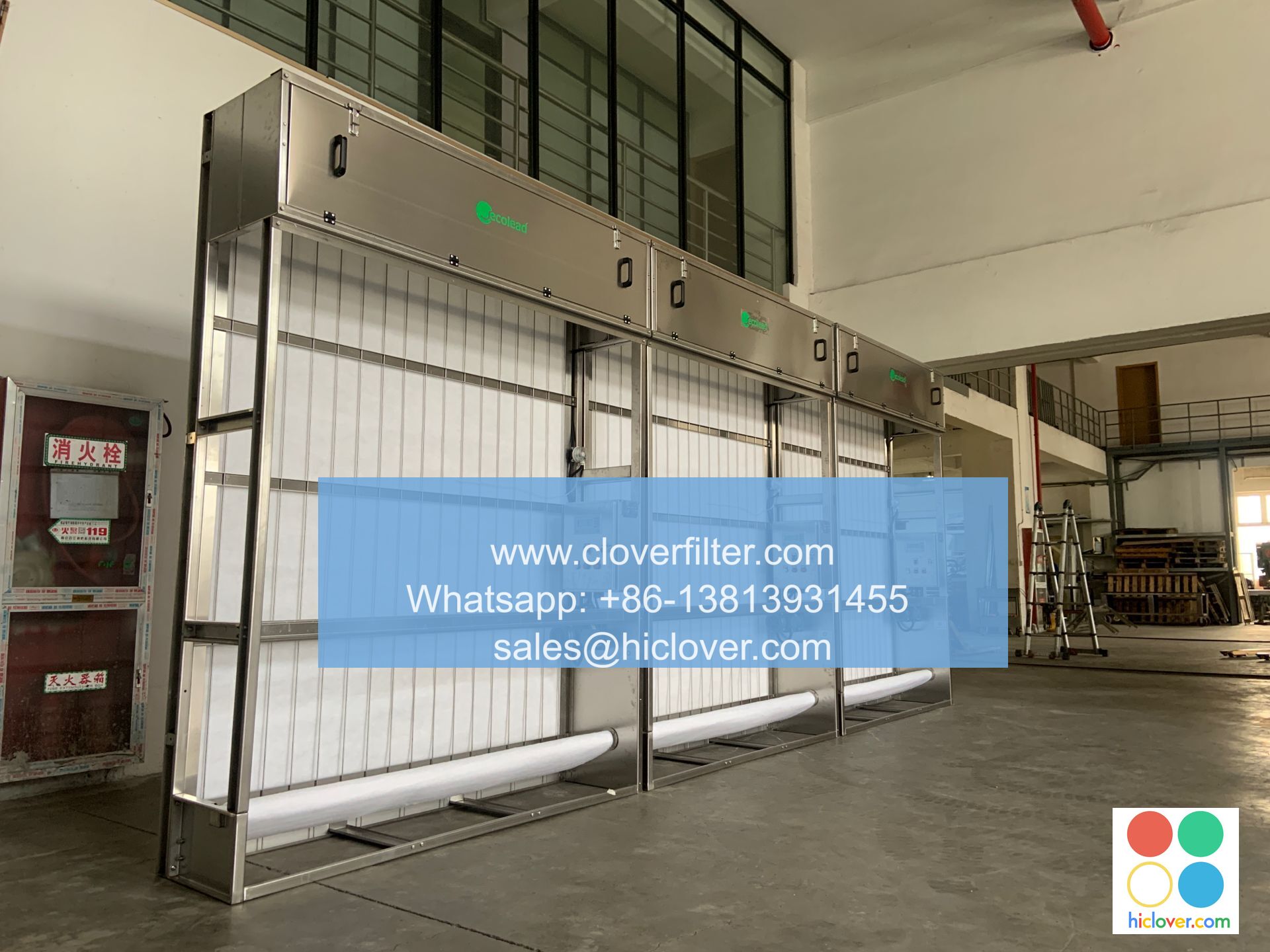
Case Study: Implementation on Newfoundland Offshore Platforms
A recent case study conducted on a Newfoundland offshore oil platform highlights the benefits of implementing automatic roll air filters. Prior to the switch, the platform relied on traditional filtration systems, experiencing numerous challenges, including high operational costs and fluctuating air quality indices.
Post-implementation of the automatic roll air filters, the platform observed a remarkable 30% reduction in airborne particulates and a corresponding decrease in volatile organic compounds (VOCs). Regular maintenance intervals became significantly less frequent, leading to improved uptime and reduced labor costs. Importantly, these filters also contributed to a notable enhancement in air quality, fostering a safer and healthier environment for platform personnel.
Broader Environmental Impact
The successful application of automatic roll air filters not only improved operational efficiencies but also supported the platform’s commitment to environmental sustainability. With lower emissions and enhanced air quality, the platform demonstrated compliance with increasingly stringent environmental regulations, thereby bolstering its reputation as a responsible operator in the region.
Conclusion
Enhancing air filtration efficiency and reducing emissions on offshore oil platforms is not only a matter of operational necessity but also reflects a commitment to environmental stewardship. The integration of automatic roll air filters presents a practical and effective solution to these challenges. As illustrated by the case study from Newfoundland, the environmental and economic benefits of adopting such technologies can lead to significant improvements in both air quality and operational efficiency. The oil and gas sector must embrace these innovations to meet both regulatory standards and societal expectations for responsible environmental practices.
FAQs
1. What are automatic roll air filters?
Automatic roll air filters are advanced filtration systems that utilize a continuous roll mechanism to capture airborne pollutants with minimal manual intervention.
2. How do these filters improve air quality?
They enhance air quality by effectively trapping particulates and volatile organic compounds, thereby reducing the concentration of harmful contaminants in the air.
3. What were the key benefits observed in the case study?
The case study observed a 30% reduction in airborne particulates, lower operational costs due to less maintenance, and improved air quality for personnel safety.
4. Are automatic roll air filters compliant with environmental regulations?
Yes, these filters help operators to meet stringent environmental regulations by reducing emissions and enhancing air quality on offshore platforms.
