Enhancing Air Quality in Arusha’s Flour Mills: Roll Media Dust Filtration Explained
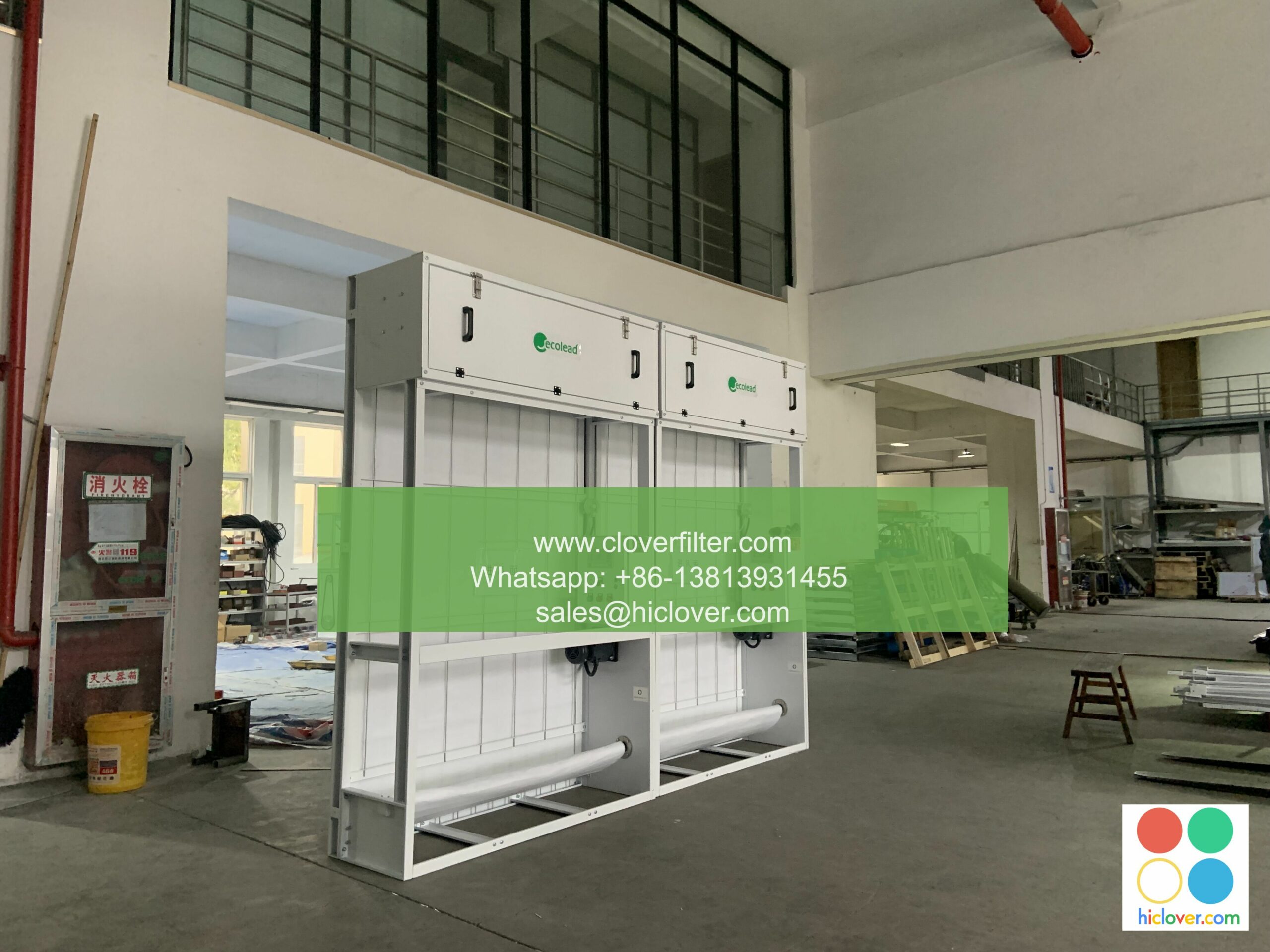
The importance of air quality in industrial environments cannot be overstated, especially in bustling cities like Arusha, Tanzania. Flour mills, integral to the region’s food supply chain, face significant challenges concerning dust emissions and airborne pollutants. The implementation of effective dust filtration systems, such as roll media dust filtration, can dramatically enhance air quality in these settings. This article explores this innovative technology, its workings, and its multifaceted applications.
Understanding Roll Media Dust Filtration

Roll media dust filtration is a sophisticated air cleaning solution that utilizes a continuous roll of filter media to capture particulate matter in the air before it is released back into the environment. Unlike traditional air filters, which require frequent maintenance and replacement, roll media systems offer several advantages, including:
- Extended Service Life: The continuous nature of the roll media allows for longer operational times between maintenance cycles.
- High Dust-Holding Capacity: This system can endure high dust loading, making it suitable for environments like flour mills where fine particulate matter is prevalent.
- Ease of Use: With automatic roll advancement features, replacing the filter media becomes a more manageable task.
The Need for Dust Filtration in Flour Mills
Flour mills generate significant amounts of dust during the processing of grain, leading to various concerns:

- Health Hazards: Dust inhalation can cause respiratory issues for employees and nearby residents.
- Environmental Impact: Dust emissions contribute to air quality deterioration, affecting both flora and fauna in the vicinity.
- Operational Efficiency: Excessive dust buildup can compromise machinery efficiency, leading to increased maintenance costs and downtime.
Implementing roll media dust filtration systems can mitigate these issues effectively.
Key Benefits of Roll Media Dust Filtration
Improved Air Quality
Investing in roll media dust filtration systems significantly enhances air quality by trapping harmful particles before they escape. This leads to:
- Healthier Work Environment: Workers experience fewer respiratory problems and improved overall health.
- Community Welfare: Better air quality contributes positively to the health of nearby communities.
Economic Advantages
Flour mills can reap economic benefits through the implementation of roll media dust filtration:
- Cost-Effective Maintenance: With reduced frequency of filter replacements, operational costs decrease over time.
- Increased Productivity: Enhanced air quality leads to fewer machine breakdowns and more efficient production processes.
Environmental Compliance
Adopting dust filtration technology helps flour mills meet stringent environmental regulations, aligning with national and local policies. Compliance not only avoids penalties but also enhances the mill’s reputation.
Application Areas of Roll Media Dust Filtration
Roll media dust filtration has a range of applications beyond flour mills that illustrate its versatility:
- Food Processing Facilities: Similar operational challenges make this technology beneficial in other food production settings.
- Pharmaceutical Industry: Maintaining cleanliness and preventing contamination is critical, making roll media dust filters a practical solution.
- Cement Plants: These facilities produce high quantities of dust; filtration systems help minimize emissions.
- Chemical Manufacturing: Reducing airborne particles ensures a safer working environment and compliance with health regulations.
Conclusion
Enhancing air quality in Arusha’s flour mills through roll media dust filtration is not just a regulatory necessity but a commitment to worker safety, environmental stewardship, and operational efficiency. By leveraging this advanced technology, flour mills can significantly contribute to healthier communities and a sustainable industrial landscape. As the demand for cleaner air grows, the adoption of innovative solutions like roll media dust filtration will be paramount in shaping the future of the region’s industrial practices.
By investing in such technologies, we can help ensure that Arusha grows as a thriving city with fresh air and a responsible approach to industrial operations.
It seems like you’ve entered “Prompt”—would you like to provide more details or context regarding what you’re looking for? Whether it’s a writing prompt, a question, or something else entirely, I’m here to help!
