Enhancing Air Quality in Beverage Bottling with Self-Cleaning Filters
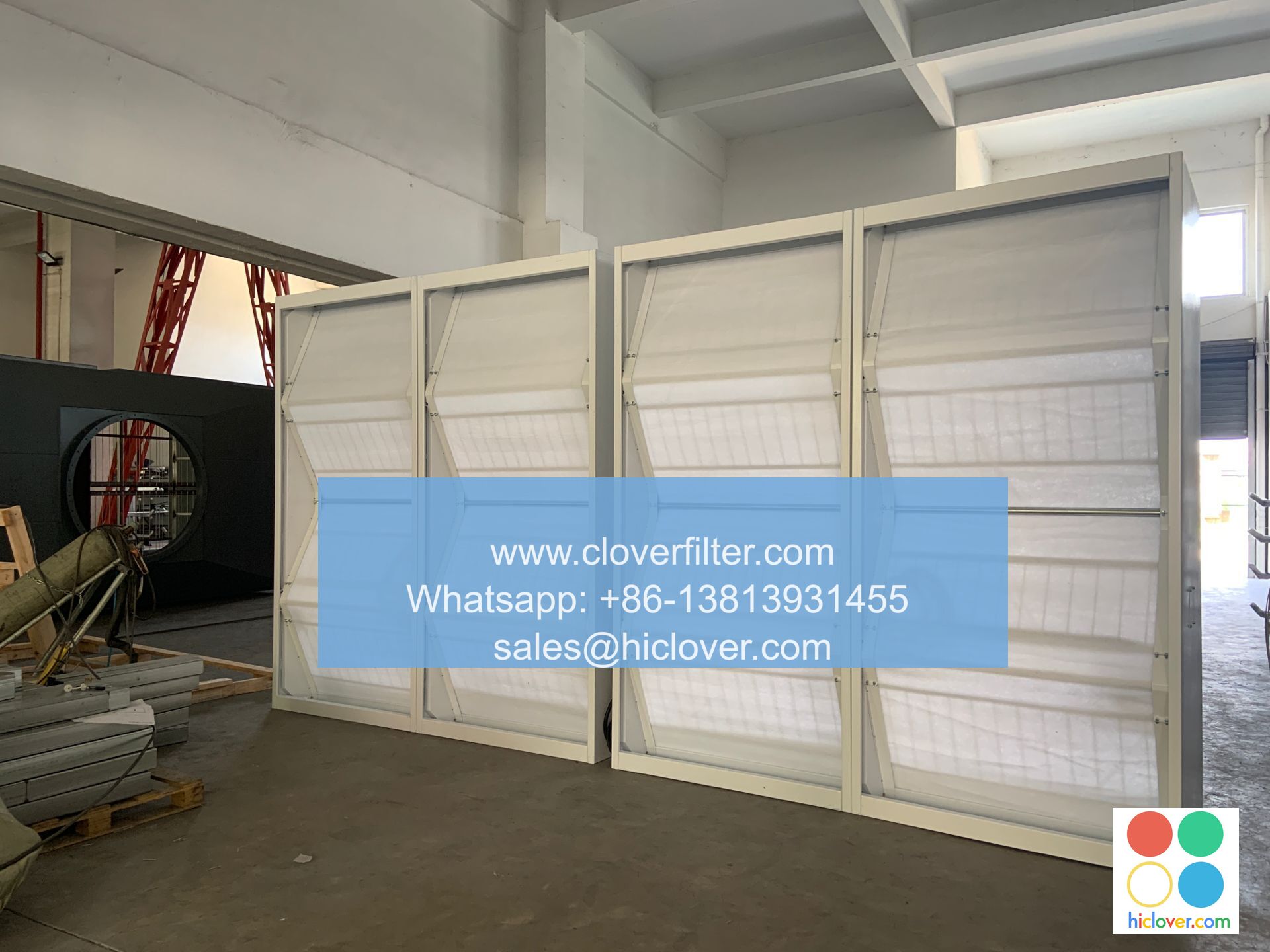
Air quality is a critical aspect in the beverage bottling industry, directly impacting product safety, quality, and operational efficiency. The use of self-cleaning filters has emerged as a key solution for maintaining optimal air conditions in bottling facilities, thus ensuring a high-standard production process.
Importance of Air Quality in Beverage Bottling

The nature of beverage production—especially for products like juices, sodas, and water—demand stringent hygiene and cleanliness. Poor air quality can introduce contaminants such as dust, microorganisms, and volatile organic compounds (VOCs), which could lead to spoilage, product recalls, and health risks for consumers. Hence, maintaining superior air quality is essential for:
- Ensuring product safety and compliance with health regulations.
- Enhancing the shelf life of products.
- Reducing the risk of cross-contamination during bottling processes.
The Role of Self-Cleaning Filters
Self-cleaning filters have revolutionized air filtration in the beverage bottling industry by facilitating continuous operation while minimizing maintenance downtime. Here’s how these filters contribute to enhanced air quality:

1. Automated Cleaning Mechanism
Unlike traditional filters that require frequent replacement, self-cleaning filters incorporate advanced cleaning technologies, such as backwashing and ultrasonic oscillation. This automation ensures:
- Constant filtration without interruptions.
- Reduced labor costs associated with manual cleaning or replacement.
- Consistent air quality by eliminating particulate buildup quickly.
2. Cost-Effectiveness
Investing in self-cleaning filters can result in significant cost savings. The reduced need for replacement filters and minimized downtime during maintenance contribute to a lower total cost of ownership. Additionally, they can lead to higher energy efficiency by reducing the workload on air handling units.
3. Versatile Applications
Self-cleaning filters are adaptable to various stages in the beverage bottling process. Their applications include:
- Pre-Bottling Air Filtration: Ensuring clean air in filling and capping stations.
- Post-Bottling Quality Control: Filtering air in storage areas to maintain product integrity.
- Process Environment Control: Maintaining optimal air quality in processing zones, minimizing microbial risks.
Conclusion
In summary, enhancing air quality in beverage bottling operations is paramount for ensuring product safety and operational efficiency. Self-cleaning filters offer an innovative solution by providing continuous, cost-effective filtration that addresses the unique challenges faced by the industry. As beverage producers strive for higher quality standards and compliance with regulations, implementing self-cleaning filters will undoubtedly serve as a valuable asset in maintaining a pristine production environment.
Call to Action
For beverage manufacturers looking to improve their air quality and streamline their bottling processes, adopting self-cleaning filter technology is not just an option but a necessity. Explore the benefits and see how your operations can thrive with cleaner air!
It seems you entered “Prompt” without additional context. Could you please provide more details or specify what kind of prompt you are looking for? Whether it’s writing, brainstorming ideas, or something else, I’m here to help!
