Enhancing Air Quality: Roll Dust Filters in Arusha’s Medical Facilities
The Importance of Air Quality in Healthcare
Air quality is a critical aspect of public health, especially in healthcare settings. In places like Arusha, Tanzania, where medical facilities often struggle with various environmental challenges, ensuring clean air is essential for patient safety and recovery. The introduction of advanced filtration systems, specifically roll dust filters, plays a significant role in maintaining high air quality standards.
Understanding Roll Dust Filters
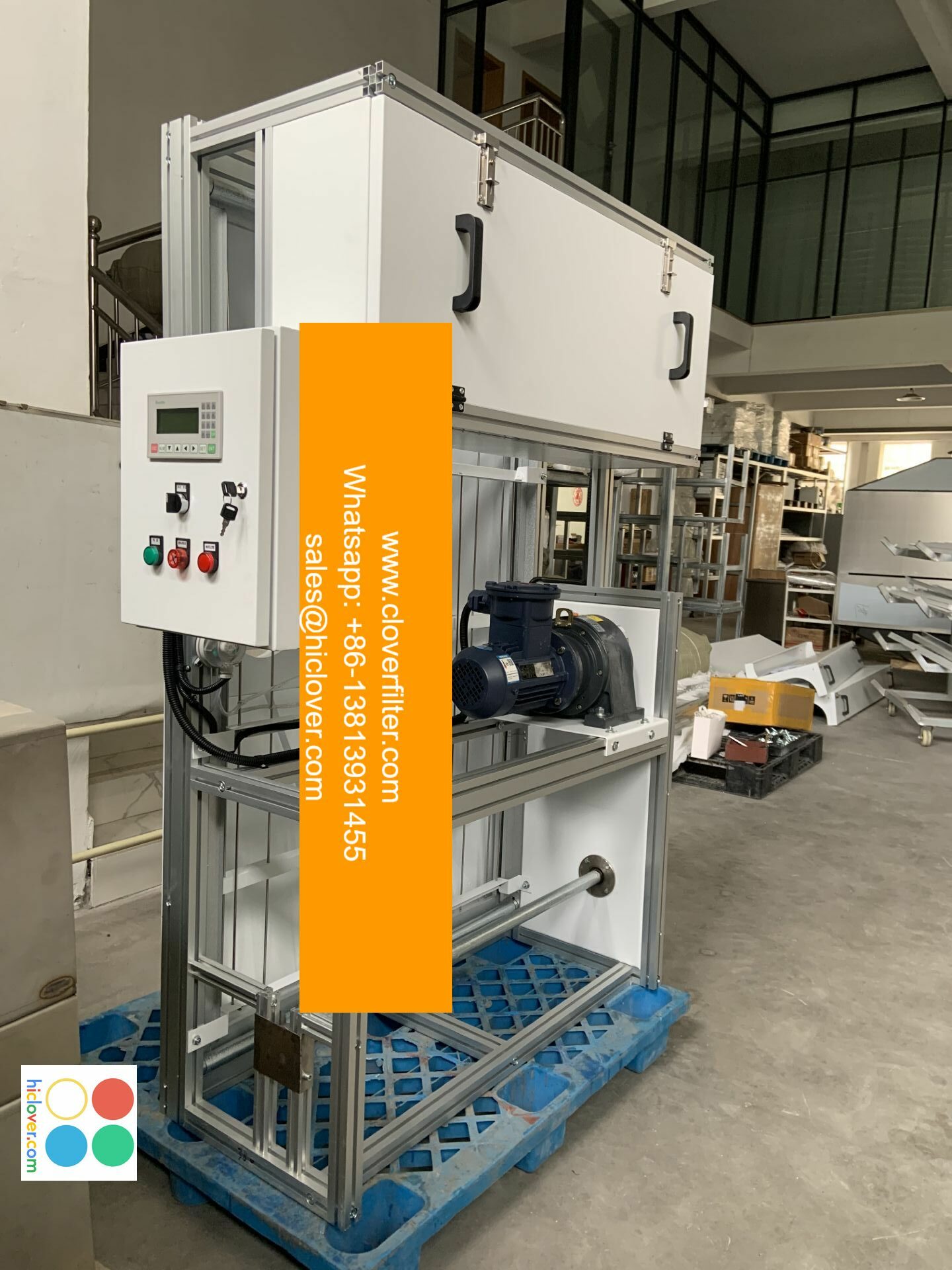
Roll dust filters are specialized air filtration systems designed to capture airborne particles, dust, and allergens. These filters are particularly effective in environments where high levels of airborne contaminants can pose serious health risks, such as hospitals, clinics, and laboratories. By integrating roll dust filters, Arusha’s medical facilities can significantly reduce the presence of particulate matter in the air.
Key Applications of Roll Dust Filters in Arusha’s Medical Facilities
The implementation of roll dust filters in Arusha is multi-faceted, impacting various areas within healthcare environments:
1. Patient Recovery Wards
Inpatient recovery wards are critical areas where clean air is essential for healing. Patients are often vulnerable to infections and respiratory complications, making roll dust filters vital for reducing airborne pathogens and enhancing overall recovery.
2. Operating Theatres
Operating theatres require the highest air quality standards. The air must be free of dust and microorganisms to prevent post-surgical infections. The use of roll dust filters helps to maintain sterile conditions, ensuring patient safety during procedures.
3. Laboratories
Research and diagnostic laboratories in medical facilities are prone to hazardous materials that can compromise air quality. Roll dust filters aid in creating a controlled environment that protects both lab personnel and the integrity of samples.
4. Waiting Areas
Public areas, such as waiting rooms, can harbor various airborne pollutants. Implementing roll dust filters helps to ensure that patients and visitors breathe cleaner air, thereby improving their overall experience.
The Benefits of Roll Dust Filters
Integrating roll dust filters into Arusha’s medical infrastructure offers numerous benefits:
- Improved Air Quality: Enhanced filtration leads to a significant reduction in airborne particles.
- Infection Control: Cleaner air lowers the risk of hospital-acquired infections.
- Patient Comfort: A more pleasant environment contributes to a better recovery experience.
- Compliance with Health Standards: Facilities that adhere to air quality regulations enhance their credibility and operational efficiency.
Challenges and Considerations
While the advantages are substantial, the implementation of roll dust filters in Arusha’s medical facilities also presents challenges. These include the initial costs of installation and the ongoing maintenance required to ensure optimal performance. Healthcare administrators must weigh these factors against the potential health benefits.
Conclusion
Enhancing air quality in Arusha’s medical facilities through the use of roll dust filters is a vital step towards improving public health. By addressing air quality concerns through advanced filtration technology, Arusha can support safer healthcare environments that ultimately contribute to better patient outcomes. As the region continues to advance its healthcare capabilities, investments in technology such as roll dust filters will prove invaluable.
It seems like your message got cut off. Could you please provide more details or clarify what kind of prompt you’re looking for? That way, I can assist you more effectively!
