Enhancing Air Quality: Roll Media Dust Filtration in Textile Manufacturing
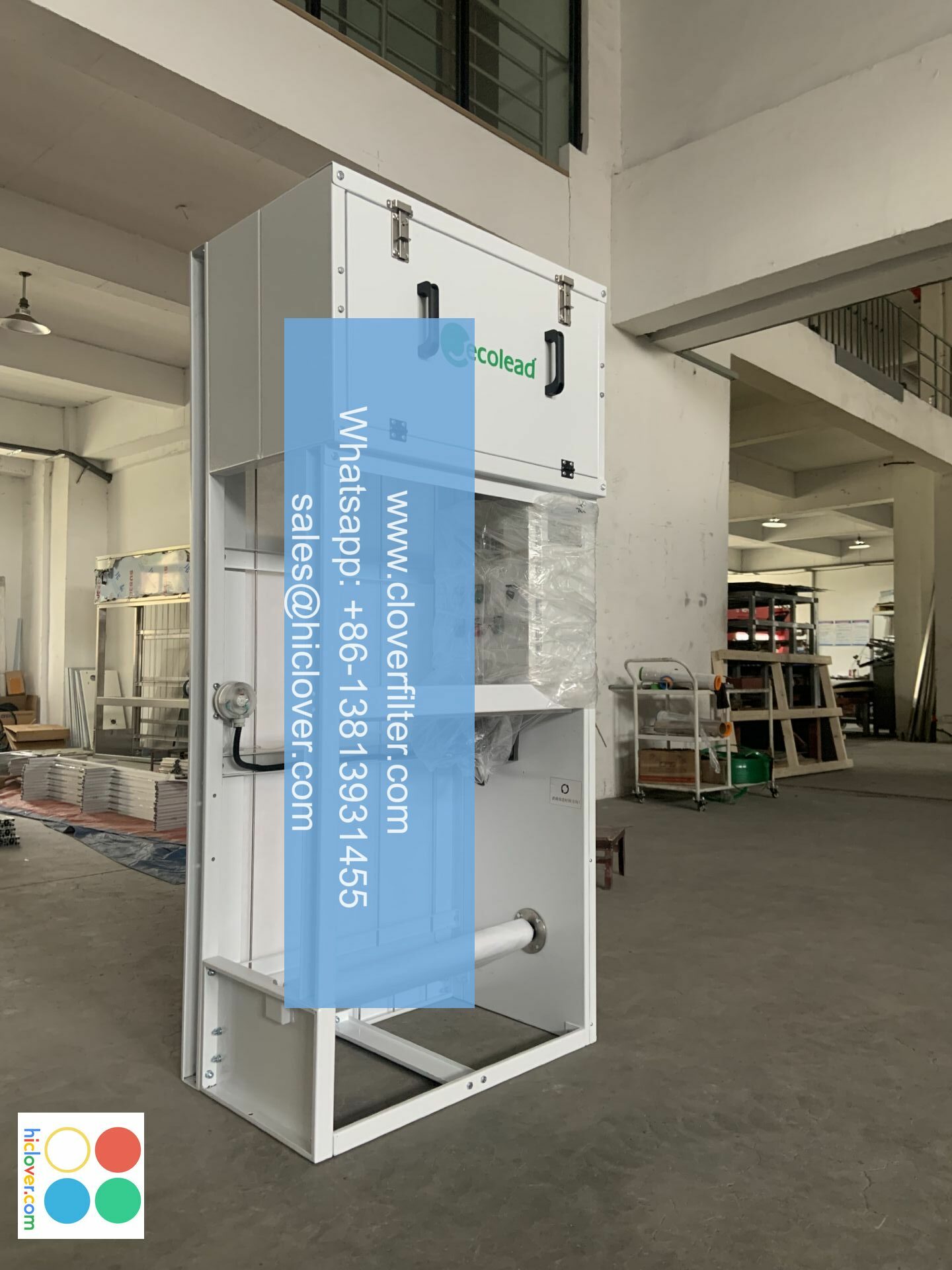
Textile manufacturing is a vibrant industry crucial for the global economy. However, it also poses significant challenges regarding air quality and worker safety due to the generation of dust particles, lint, and other airborne contaminants. One effective solution to combat these issues is the implementation of roll media dust filtration systems.
The Importance of Air Quality in Textile Manufacturing
Maintaining optimal air quality in textile manufacturing facilities is essential for several reasons:
- Worker Safety: Poor air quality can lead to respiratory problems and other health issues among workers.
- Product Quality: Contaminants in the air can negatively affect the quality of textiles, leading to defects and reduced customer satisfaction.
- Compliance with Regulations: Many countries enforce strict regulations on air quality standards, necessitating the need for efficient filtration systems.
What is Roll Media Dust Filtration?
Roll media dust filtration involves the use of continuous rolls of specialized filter media that capture airborne particles from the manufacturing environment. These systems are designed to efficiently remove dust, fibers, and other particulates, ensuring cleaner air is circulated throughout the facility.
Benefits of Roll Media Dust Filtration Systems
1. Enhanced Filtration Efficiency
Roll media filters are engineered to have a high surface area that traps smaller particles, significantly improving filtration efficiency compared to traditional methods.
2. Cost-Effectiveness
These systems are typically more cost-effective in the long run due to reduced maintenance and lower operational costs associated with energy consumption.
3. Flexibility and Customization
Roll media filtration systems can be customized to fit various textile manufacturing processes, adapting to different dust types and levels. This flexibility allows companies to optimize their filtration solutions, enhancing performance.
Application Areas of Roll Media Dust Filtration
Roll media dust filtration finds applications in several areas within the textile manufacturing sector, including:
1. Spinning Mills
Spinning mills generate significant amounts of fiber dust, making roll media filters essential for maintaining air quality. These filters capture minute particles released during spinning operations, ensuring a safe working environment.
2. Weaving and Knitting
In weaving and knitting operations, lint and dust can accumulate rapidly, affecting both worker health and fabric quality. Implementing roll media dust filtration helps maintain a cleaner workspace and enhances the overall product quality.
3. Dyeing and Finishing
The dyeing and finishing processes often release volatile organic compounds (VOCs) and other airborne pollutants. Effective filtration systems can significantly reduce these emissions, contributing to better indoor air quality and environmental compliance.
Conclusion
Investing in roll media dust filtration systems is a proactive approach for textile manufacturers seeking to enhance air quality, improve worker safety, and comply with environmental regulations. By addressing airborne contaminants efficiently, manufacturers can ensure a healthier workplace and produce superior quality textiles. As the textile industry continues to evolve, prioritizing air quality through advanced filtration technologies is essential for sustainable growth and operational success.
It seems like you might be looking for a prompt for a specific type of writing or creative task. Could you please provide more details or clarify what kind of prompt you’re interested in? For example, are you looking for a writing prompt, art prompt, or something else?
