Enhancing Border Security: The Role of Roll Filtration Systems in Kenya
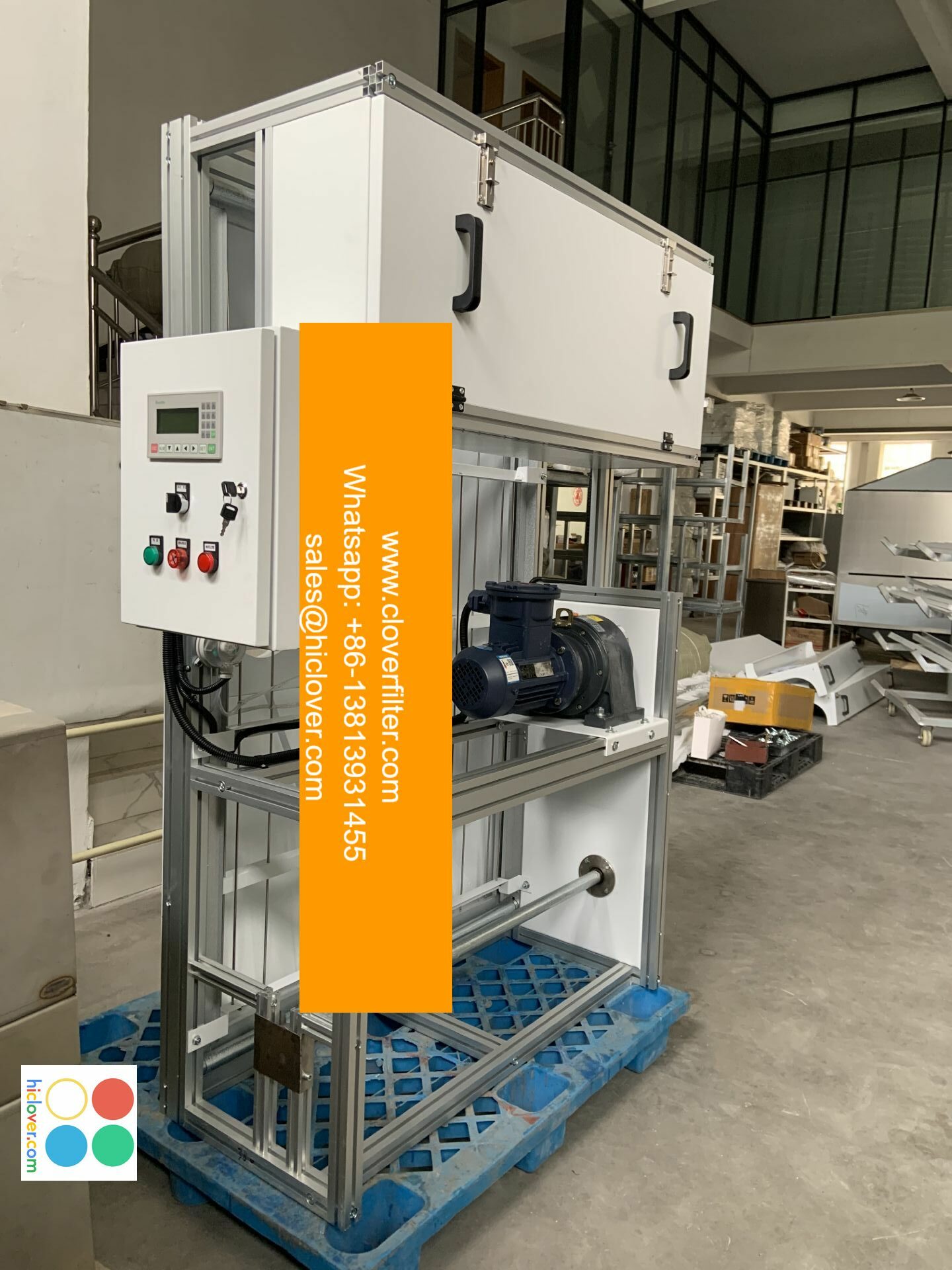
In recent years, the security landscape in Kenya has witnessed significant transformations aimed at mitigating threats related to terrorism, smuggling, and illegal immigration. One of the critical components of border security is the implementation of advanced technologies, such as roll filtration systems, to enhance surveillance and streamline border management operations. This article delves into the vital role of roll filtration systems in enhancing border security in Kenya, highlighting various application areas and their importance in the fight against cross-border crime.
What Are Roll Filtration Systems?

Roll filtration systems are sophisticated technologies that utilize various filtering mechanisms to detect, identify, and manage potential security threats at border points. These systems are designed to screen individuals and vehicles effectively, ensuring that only authorized persons cross into the country. The utilization of roll filtration systems allows security personnel to maintain a higher level of vigilance and control in managing border activities.
Key Application Areas of Roll Filtration Systems
1. Surveillance and Monitoring
Roll filtration systems are equipped with advanced surveillance capabilities that enhance monitoring at key entry points. Equipped with high-resolution cameras and sensors, these systems can monitor large areas of land with minimal human intervention. The data collected from these surveillance operations feed into integrated command centers that provide real-time information to law enforcement agencies.
2. Screening of Individuals and Vehicles
One of the primary functions of roll filtration systems is the effective screening of individuals and vehicles attempting to cross borders. These systems utilize biometrics, such as fingerprint and facial recognition technology, to authenticate identities. Additionally, they can detect illegal items by scanning vehicles for concealed goods, optimizing the customs process while enhancing security measures.

3. Data Integration and Management
Roll filtration systems do not operate in isolation; they can integrate seamlessly with national security databases. By linking with immigration records, criminal databases, and customs documentation, these systems can alert authorities to potential threats and create a comprehensive overview of individuals crossing into the country.
4. Counter-Terrorism Efforts
With the rising threat of terrorism, especially in East Africa, roll filtration systems play a crucial role in counter-terrorism strategies. By accurately identifying known threats and suspicious behaviors, these systems enable security personnel to take preemptive action against potential attacks, promoting a safer environment.
5. Facilitating Trade and Tourism
While enhancing security is the primary focus, roll filtration systems also facilitate legitimate trade and tourism by expediting the border-crossing process. When implemented correctly, they help reduce congestion at border points by streamlining the clearance process for authorized individuals and goods, thus promoting economic growth.
Challenges and Considerations
1. Implementation Costs
The introduction of roll filtration systems necessitates a significant financial investment. This includes the costs associated with purchasing, installing, and maintaining advanced technology. The Kenyan government must weigh these costs against the potential benefits of improved border security.
2. Training and Capacity Building
Effective utilization of roll filtration systems requires adequate training for personnel operating these technologies. Continuous capacity building is essential to ensure that security forces can leverage these systems efficiently to maximize their effectiveness.
3. Public Perception and Privacy Concerns
As with any surveillance technology, there could be public pushback regarding privacy issues associated with roll filtration systems. Transparency in the implementation process, as well as clear communication of the benefits, can help mitigate these concerns.
Conclusion
Roll filtration systems represent an innovative approach to enhancing border security in Kenya. By improving surveillance, screening processes, and data integration, these systems are instrumental in addressing the complex challenges faced at national borders. As Kenya continues to strengthen its border management capabilities, the successful implementation of roll filtration systems could significantly enhance national security, encourage legitimate trade, and promote tourism, all critical components of the country’s socio-economic development.
Incorporating advanced technologies such as roll filtration systems signifies Kenya’s commitment to integrating modern solutions in its fight against transnational crime, ultimately creating a safer environment for its citizens.
It seems like your message might have been cut off. Could you please provide more details about what you’re looking for or clarify the prompt you have in mind? I’m here to help!
