Enhancing Efficiency: Automatic Roll Filters in Nairobi’s Pharma Hubs
Introduction

Nairobi, the vibrant capital of Kenya, is emerging as a pivotal player in the pharmaceutical industry across East Africa. With the increasing demand for high-quality medicines, the city’s pharma hubs are constantly seeking innovative solutions to enhance operational efficiency. One such solution that has gained traction is the implementation of automatic roll filters. This technology not only improves quality control but also streamlines various applications within the pharmaceutical sector.
What are Automatic Roll Filters?
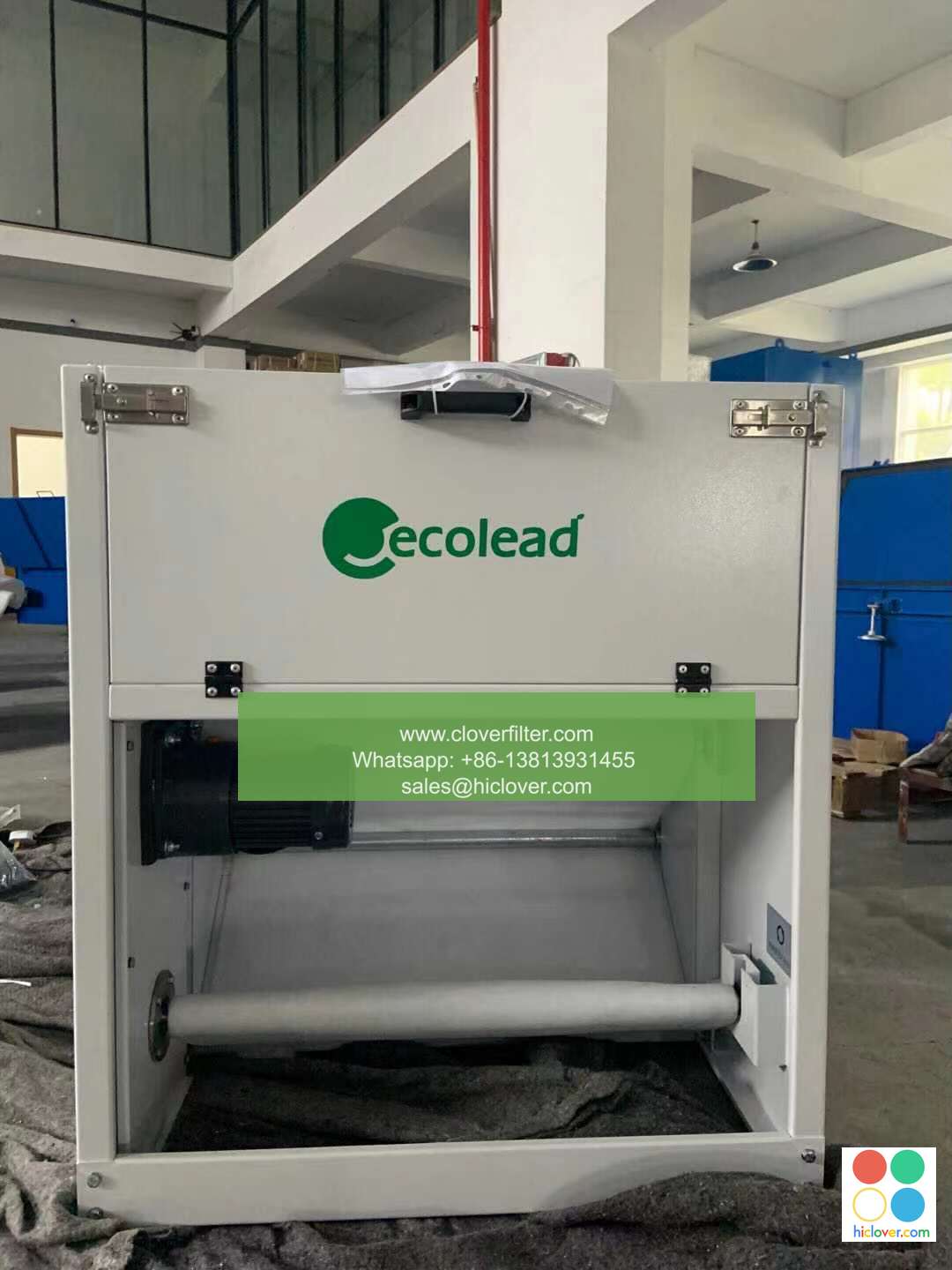
Automatic roll filters are sophisticated filtration systems designed to maintain the purity of liquids during production processes. These filters utilize a roll mechanism to continuously capture particulates and impurities, ensuring a clean output. Practical in multiple settings, they are especially useful in the pharmaceutical industry where contaminant-free environments are crucial for compliance with strict regulations.
Applications in Pharma Hubs

The introduction of automatic roll filters has significant implications for several application areas within Nairobi’s pharmaceutical hubs:
1. Drug Manufacturing
In drug manufacturing, automatic roll filters assist in the purification of active pharmaceutical ingredients (APIs) and excipients. By removing unwanted particles, these filters ensure the integrity of drug formulations, enhancing safety and efficacy.
2. Water Treatment
Water is a critical component in pharmaceutical production. Automatic roll filters play a vital role in treating water for injection (WFI) by ensuring that it meets stringent quality standards. This not only safeguards product quality but also helps in compliance with health regulations.
3. Packaging Solutions
Before packaging, products must undergo rigorous filtration to prevent contamination. Automatic roll filters effectively screen out particulates, thereby enhancing the reliability of final packaging operations and preserving product integrity during storage and transportation.
4. Quality Control
Quality control in pharmaceuticals is non-negotiable. The use of automatic roll filters reduces the risk of contamination and ensures that products meet required specifications. This technology aids in upholding the reputation of Nairobi’s pharma hubs as reliable sources of quality medicines.
Benefits of Implementing Automatic Roll Filters
The adoption of automatic roll filters in Nairobi’s pharmaceutical sector brings various advantages:
- Increased Efficiency: Automated systems streamline operations and reduce manual labor, allowing facilities to optimize production timelines.
- Enhanced Quality: High-quality filtration leads to fewer product recalls and greater consumer trust.
- Regulatory Compliance: Filter systems ensure products meet local and international health standards.
- Cost Savings: Reducing waste and improving operational efficiency result in lower overall production costs.
Challenges and Considerations
Despite their benefits, the introduction of automatic roll filters is not without challenges. Initial capital investment can be high, and facilities must consider ongoing maintenance and training for staff to operate these systems effectively. Additionally, regular monitoring is essential to ensure that filters perform optimally and continue to meet regulatory standards.
Conclusion
As Nairobi’s pharmaceutical hubs continue to grow, embracing technology such as automatic roll filters is essential for enhancing efficiency and maintaining high standards of product quality. By investing in such advanced filtration systems, the industry can not only meet local demand but also position itself as a leader in the global pharmaceutical market.
It seems like you may have forgotten to include the details for your prompt. Could you please provide more information or clarify what you’d like assistance with? Whether you’re looking for creative writing, information on a topic, or help with a specific question, I’m here to help!
