Enhancing Efficiency: The Importance of Automatic Roll Filters in Kenyan Automotive Manufacturing
Introduction

The automotive manufacturing industry in Kenya is evolving, with a growing emphasis on enhancing productivity and efficiency. One pivotal component of this advancement is the integration of automatic roll filters in various stages of production. This article explores the significance of these innovative filtration systems in the Kenyan automotive landscape.
Understanding Automatic Roll Filters
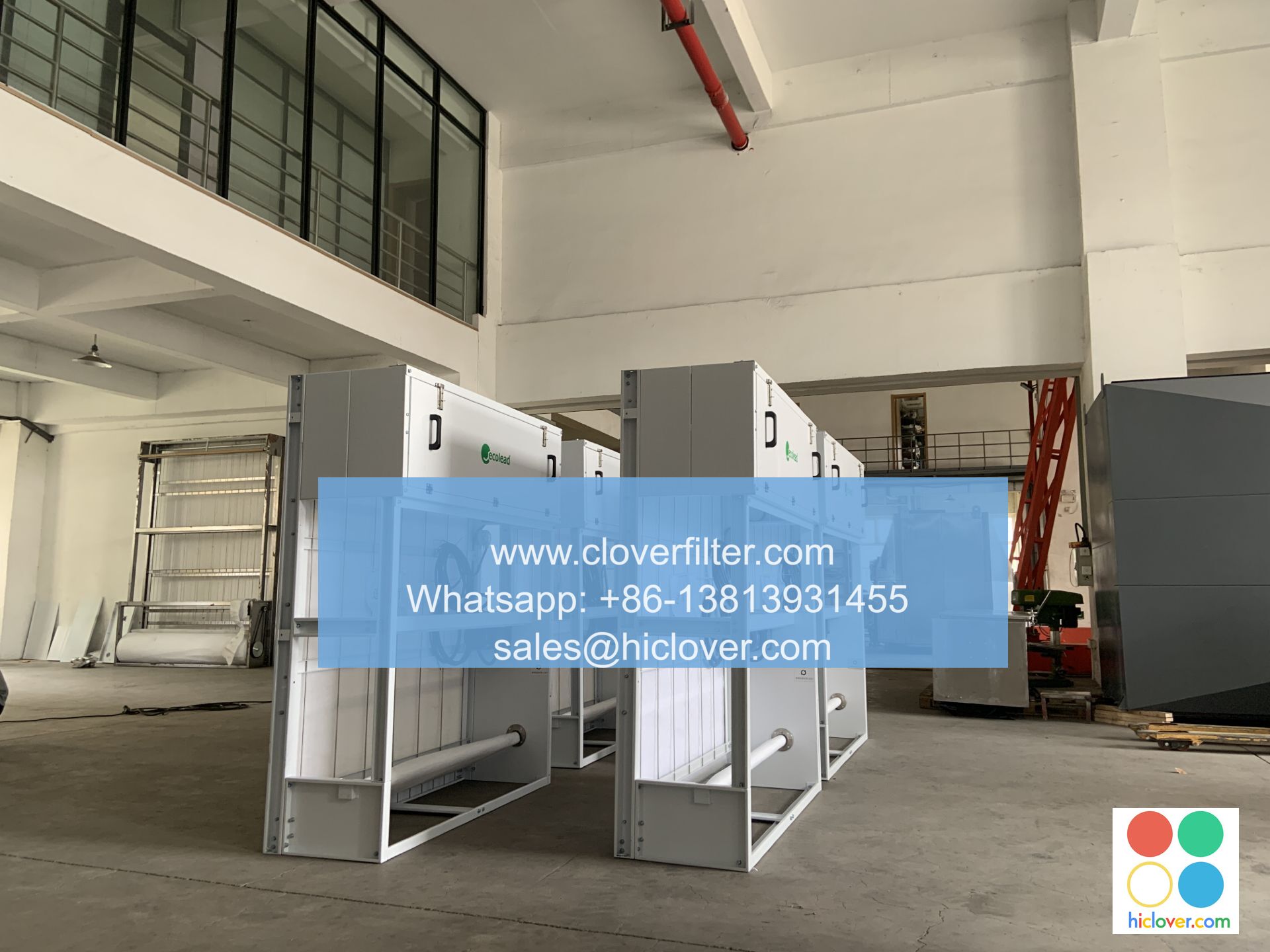
Automatic roll filters are advanced filtration systems designed to continuously remove impurities from manufacturing fluids such as oils, coolants, and hydraulics. These filters are essential in ensuring that machinery operates at optimal performance levels, which is crucial for maintaining consistency and quality in automotive production.
The Role of Automatic Roll Filters in Efficiency

Incorporating automatic roll filters into the manufacturing process can significantly enhance overall operational efficiency in several ways:
- Minimizing Downtime: By preventing contaminants from accumulating, these filters reduce the likelihood of machine failures and costly maintenance.
- Extending Equipment Lifespan: Cleaner fluids lead to less wear and tear on machinery, ultimately extending the lifespan of critical equipment.
- Improving Product Quality: High-quality filtration ensures that automotive components are free of defects caused by contamination, thereby improving the end product.
Application Areas of Automatic Roll Filters in Kenyan Automotive Manufacturing
The versatility of automatic roll filters lends itself to various application areas in the automotive manufacturing sector:
1. Engine Assembly Lines
In engine manufacturing, the precision required for components makes it crucial to maintain clean lubricants and coolants, facilitated by automatic roll filters.
2. Paint Shops
In painting processes, ensuring the cleanliness of paint materials is vital for achieving high-quality finishes. Automatic roll filters eliminate particles that could mar the surface of finished vehicles.
3. Hydraulic Systems
Many automotive systems rely on hydraulics, which necessitate clean hydraulic fluids. Automatic roll filters help in recycling these fluids, ensuring smooth operations in assembly tasks.
4. Waste Management
Efficient filtration also contributes to better waste management practices by allowing manufacturers to recycle industrial fluids, thereby promoting sustainability in the automotive sector.
Advantages of Implementing Automatic Roll Filters
The adoption of automatic roll filters offers numerous advantages, including:
- Cost-Effectiveness: Though initial investment might be high, long-term savings from reduced maintenance and increased production reliability justify the costs.
- Environmental Impact: Decreasing waste and improving recycling efforts align with global sustainability goals.
- Compliance with Regulations: With stricter environmental regulations being enforced, having an automated filtration system aids in compliance with these standards.
Conclusion
The Kenyan automotive manufacturing sector stands at a crucial juncture where adopting advanced technologies is necessary for growth. Automatic roll filters offer tangible benefits in enhancing efficiency, safeguarding equipment, and improving product quality. As manufacturers look for sustainable and cost-effective solutions, these filtration systems will play a vital role in shaping the future of automotive production in Kenya.
It looks like you might have wanted to provide a prompt for me to respond to, but it seems to be missing. Could you please share what you’re looking for? Whether it’s a question, a topic for discussion, or something else, I’d be happy to help!
