Enhancing Efficiency: The Role of Roll-Type Intake Filters in Refinery Control Rooms
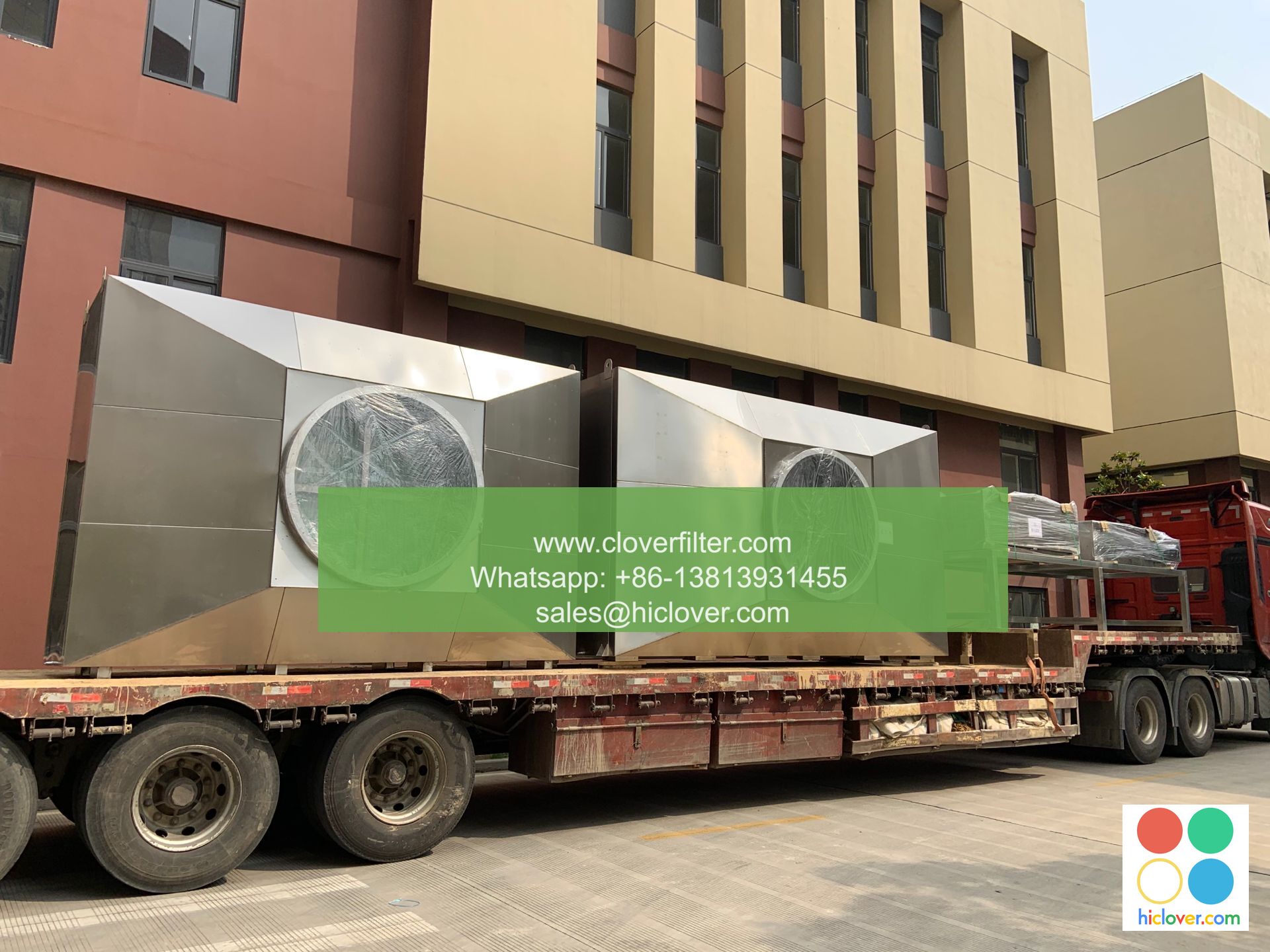
In the high-stakes environment of refinery control rooms, efficiency and reliability are paramount. One often-overlooked aspect that plays a critical role in maintaining optimal operational conditions is the implementation of roll-type intake filters. These innovative filtration solutions serve multiple purposes and provide numerous benefits, ensuring a smoother refining process across various application areas.
Understanding Roll-Type Intake Filters
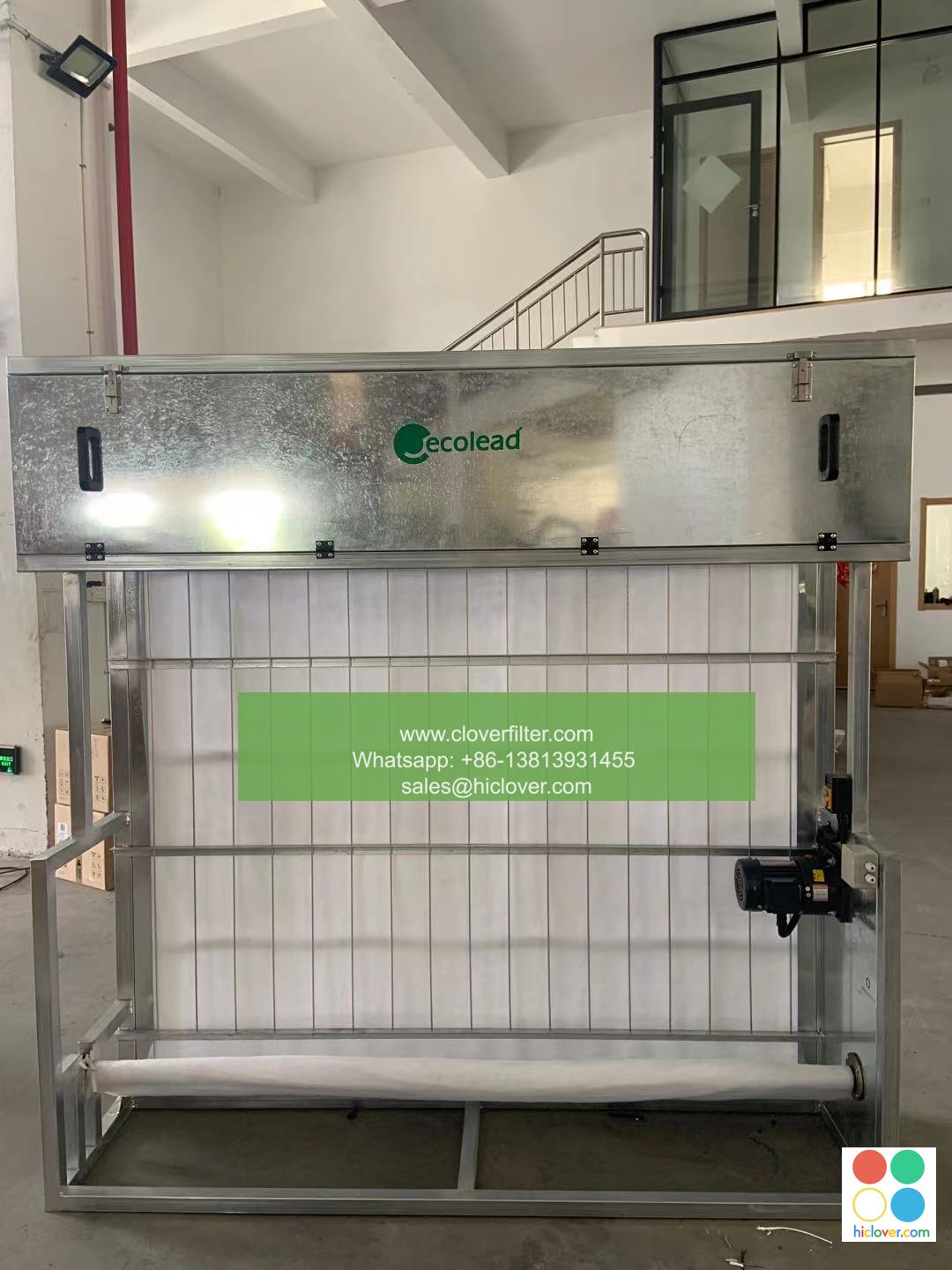
Roll-type intake filters are designed to capture airborne particulates that can lead to equipment wear and compromised performance in refinery facilities. Often made from advanced materials, these filters are capable of filtering large volumes of air while maintaining low resistance to airflow, thereby supporting the efficiency of air handling systems.
Key Features and Benefits
- High Filtration Efficiency: Roll-type filters boast a high dust-holding capacity, ensuring cleaner air is circulated in the control room environment.
- Durability: Engineered to withstand harsh conditions, these filters have a longer lifespan, reducing the frequency of replacements and maintenance.
- Cost-Effectiveness: Enhanced efficiency leads to lower energy costs, as cleaner air reduces the load on HVAC systems.
Application Areas in Refinery Control Rooms

1. Control Room Air Quality Management
The control room serves as the nerve center of refinery operations, housing critical monitoring and control systems. Maintaining air quality is essential for the comfort and health of personnel, as well as the efficiency of sensitive electronic equipment. Roll-type intake filters ensure that dust and particulates are minimized, creating a conducive working environment.
2. Protection of Sensitive Equipment
Control rooms are filled with sophisticated instrumentation and control panels that can be adversely affected by particulate accumulation. Roll-type intake filters protect this delicate equipment from potential damage, thereby enhancing the overall reliability of operations. Without effective filtration, the risk of equipment failure increases, leading to costly downtimes.
3. Improved Process Control
In the refinery process, air quality directly influences the reliability and accuracy of analytical instruments. Roll-type intake filters facilitate cleaner air, thereby supporting precise measurements and consistent control of refining processes. This, in turn, leads to improved yield and product quality.
Integrating Roll-Type Intake Filters into Refinery Infrastructure
To maximize the benefits of roll-type intake filters, refineries should consider them as part of a comprehensive environmental control strategy. This involves regular monitoring and replacement of filters, combined with advanced HVAC systems designed to efficiently distribute filtered air throughout control rooms.
Compliance with Industry Standards
Adhering to industry standards regarding air quality is crucial not only for operational efficiency but also for compliance with regulatory bodies. Integrating roll-type intake filters into a refinery’s infrastructure helps ensure that air quality meets or exceeds regulations, thereby mitigating the risk of penalties or operational halts.
Conclusion
As refineries continue to evolve towards more efficient and environmentally friendly operations, the importance of roll-type intake filters cannot be overstated. By improving air quality in control rooms, these filters enhance equipment longevity, support precise process control, and ultimately contribute to greater operational efficiency. Investing in roll-type intake filters is a strategic move for any refinery aiming to thrive in a competitive landscape.
It seems like your message got cut off! Could you please provide more details about what you need? Whether it’s a topic for writing, a question, or anything else, I’m here to help!
