Enhancing Environmental Control: The Benefits of Automatic Roll Air Intake in Simulation Labs

In today’s rapidly advancing technological landscape, simulation labs play a pivotal role in research, education, and industrial applications. Automatic roll air intake systems are becoming increasingly important in enhancing environmental control within these labs. This article explores the benefits of incorporating such systems, highlighting their various application areas.
Understanding Automatic Roll Air Intake Systems
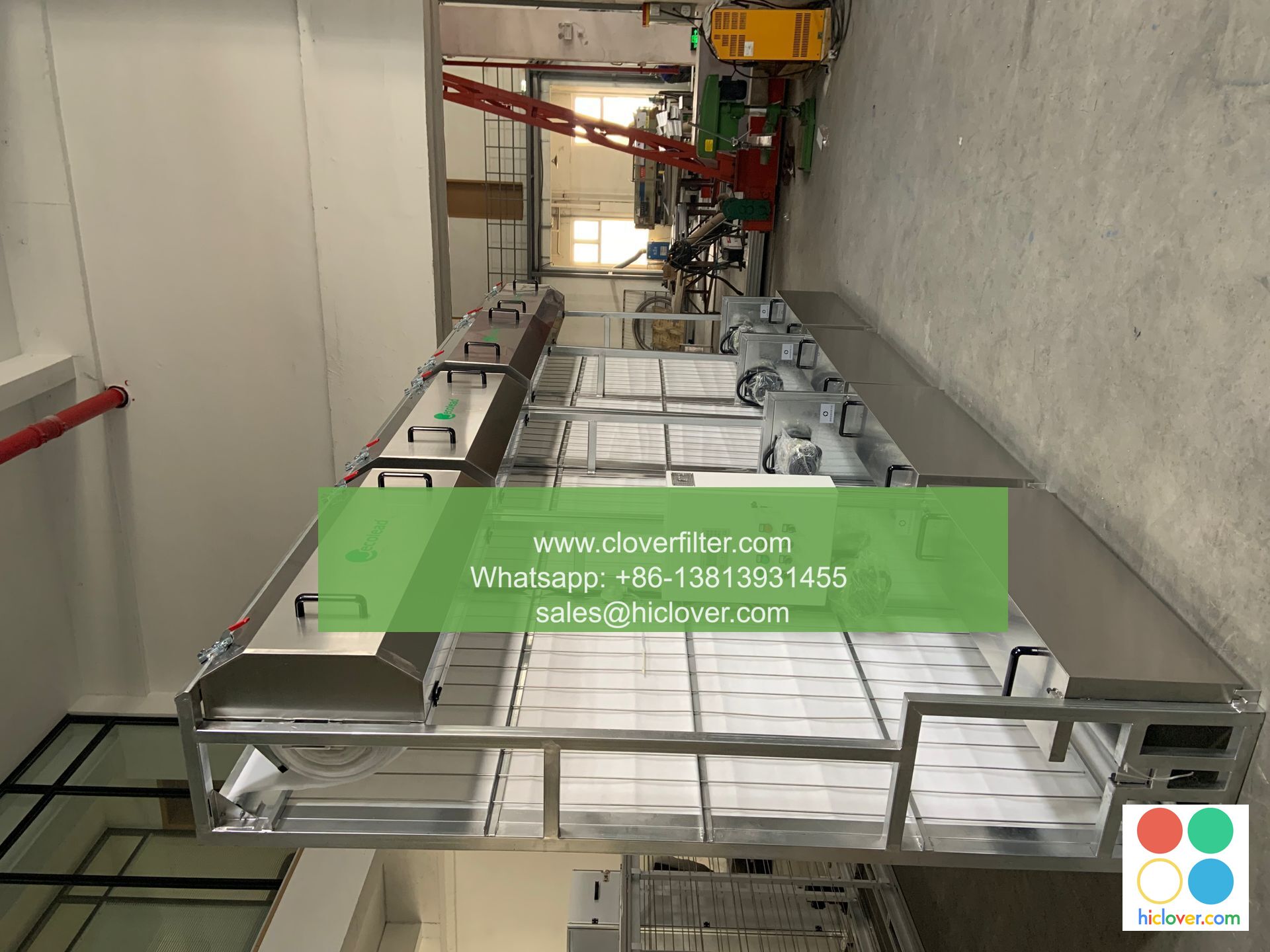
Automatic roll air intake systems utilize sophisticated mechanisms to manage air flow and temperature, ensuring optimal environmental conditions in simulation labs. These systems automatically adjust the intake of air based on environmental sensors, enabling precise control over temperature, humidity, and air quality.
Key Benefits of Automatic Roll Air Intake
-
Enhanced Temperature Regulation
Automatic roll air intake systems facilitate superior temperature regulation, crucial for experiments that demand stable thermal conditions. Maintaining an optimal environment enhances the accuracy and reliability of simulation results.
-
Improved Air Quality
By constantly monitoring and adjusting air quality parameters, these systems effectively reduce the presence of volatile organic compounds (VOCs) and other airborne contaminants, ensuring a safe atmosphere for researchers and students.
-
Energy Efficiency
The automated nature of roll air intake systems contributes to significant energy savings. By optimizing airflow based on real-time data, labs can reduce their overall energy consumption, aligning with sustainability goals.
-
Cost Reduction
With better energy management and less wear on HVAC systems, institutions can observe substantial cost reductions regarding maintenance and energy bills, making automatic roll air intake systems a wise investment.
-
Enhanced Safety
A vital benefit of these systems is the enhancement of safety measures in labs. By maintaining favorable air quality, they reduce the risk of respiratory issues and contamination, further protecting staff and equipment.
-
Biological and Biomedical Research
In biological research settings, maintaining sterile conditions is critical. Automatic roll air intake ensures the right ambient conditions for sensitive experiments and pathogen studies.
-
Chemical Engineering
In chemical engineering labs, reaction conditions can vary significantly. These systems help manage environmental factors that may influence chemical reactions, providing reliable data for experimentation.
-
Environmental Simulations
For labs engaged in studying climate change or environmental impacts, precise control of environmental parameters is essential. Automatic air intake helps in simulating various ecological scenarios efficiently.
-
Educational Institutions
In academic settings, automatic roll air intake enhances lab safety and creates optimal learning conditions for students engaged in practical experiments.

Application Areas of Automatic Roll Air Intake
Automatic roll air intake systems are versatile and applicable in various domains within simulation labs:
Conclusion
Incorporating automatic roll air intake systems into simulation labs presents numerous advantages, from enhanced environmental control and energy savings to improved safety and air quality. As the field of simulation continues to grow, adopting these innovations will be essential for educational institutions, research organizations, and industrial applications alike. Embracing such advancements not only leads to better experimental outcomes but also contributes to a more sustainable future.
It seems like your message is incomplete. Could you please provide more details or clarify what you would like assistance with? Whether it’s a writing prompt, a question, or anything else, I’d be happy to help!
