Enhancing Laboratory Environments: The Role of Automatic Air Filters in Kenya
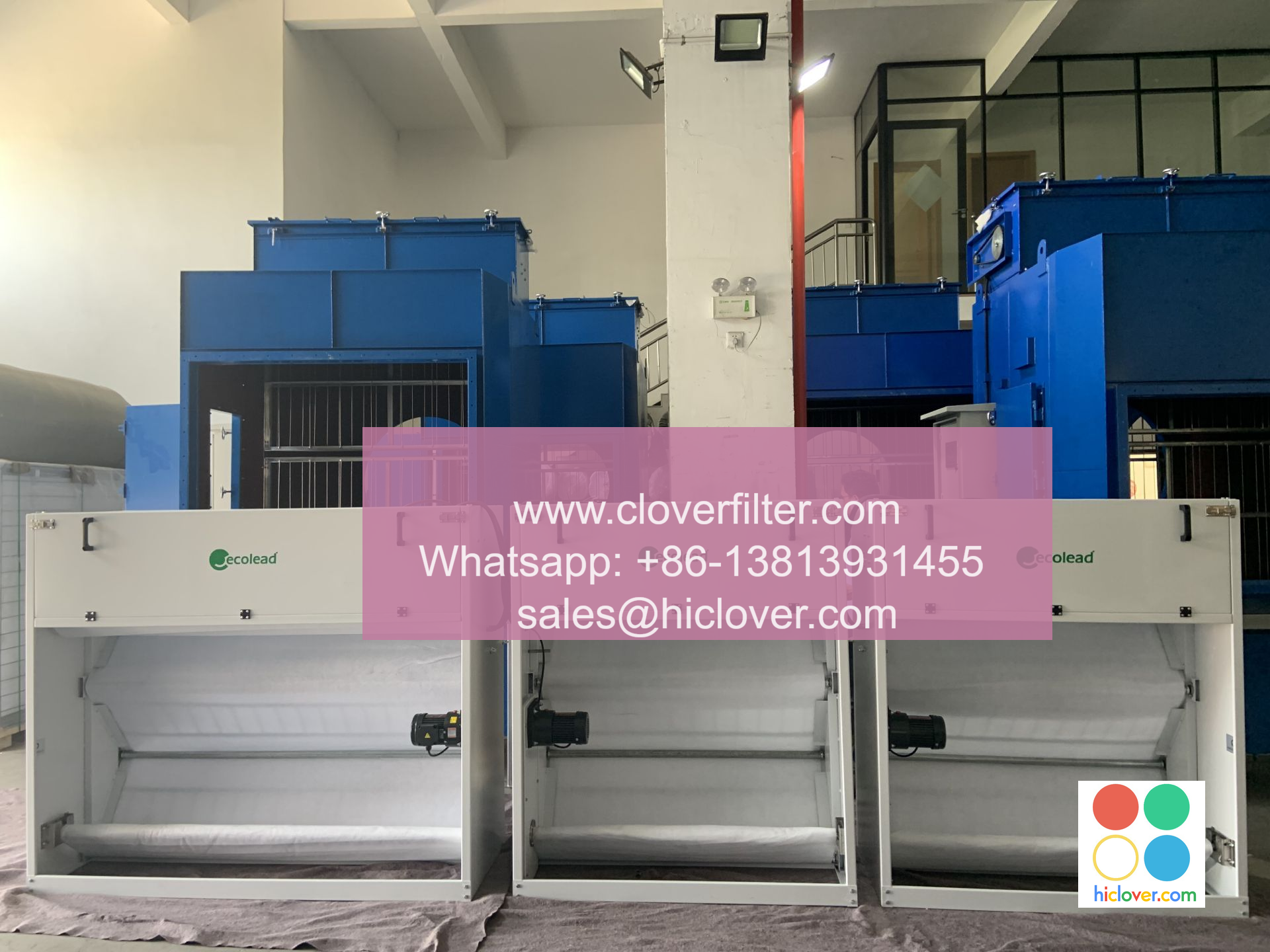
In recent years, the importance of maintaining clean air in laboratory environments has become increasingly apparent, especially in Kenya. Laboratories are vital for scientific research, quality control, and medical testing. However, the presence of airborne contaminants can compromise the accuracy of experiments and the safety of laboratory personnel. This is where automatic air filters come into play, serving as a critical component in enhancing laboratory environments.
Understanding Automatic Air Filters

Automatic air filters are advanced filtration systems designed to remove particulate matter, biological contaminants, and other harmful pollutants from the air. By utilizing technologies like HEPA (High Efficiency Particulate Air) filtration and activated carbon, these systems can significantly improve indoor air quality. In Kenya, where dust, pollen, and airborne pathogens can pose risks to laboratory environments, automatic air filters offer a viable solution.
Key Benefits of Automatic Air Filters in Laboratories
1. Improved Air Quality
The primary benefit of installing automatic air filters is the remarkable improvement in air quality. These systems can effectively trap fine particles and microorganisms, reducing the likelihood of contamination in sensitive laboratory environments. Improved air quality not only protects the integrity of experiments but also safeguarding the health of laboratory personnel.
2. Enhanced Experiment Accuracy
In laboratory settings, even the slightest contamination can lead to misleading results. Automatic air filters help minimize such risks by maintaining a clean air environment. Whether in microbiology labs, chemical research facilities, or medical testing centers, the accuracy of results is paramount. Proper air filtration plays a critical role in ensuring that experiments are carried out without interference from external contaminants.

3. Energy Efficiency
Modern automatic air filters are designed to operate efficiently, using less energy while maintaining high levels of filtration. In Kenya, where energy costs can be a concern, these systems can help laboratories save on operational expenses while improving air quality. Many models come with programmable settings, allowing for adjustable filtration cycles based on laboratory activity levels, further enhancing energy efficiency.
Application Areas of Automatic Air Filters in Kenya
1. Medical Laboratories
Medical laboratories are often at the forefront of research and diagnostics, making them particularly vulnerable to airborne contaminants. Automatic air filters can help mitigate the risk of infection and ensure that test results are accurate. Ensuring a sterile environment is crucial in these labs, particularly in areas dealing with infectious diseases.
2. Research Facilities
In research facilities, precision is key. Scientists often work with sensitive materials that require controlled environments. Automatic air filters help maintain stable conditions, ensuring that research outcomes are credible. This is especially relevant in fields like chemistry, biology, and environmental science.
3. Educational Institutions
Universities and colleges in Kenya that house science laboratories can greatly benefit from automatic air filters. By investing in these systems, educational institutions can provide students with a safe and conducive learning environment, ultimately enhancing the quality of education in the scientific fields.
4. Pharmaceutical Manufacturing
The pharmaceutical industry relies heavily on stringent quality control measures. Automatic air filters play a pivotal role in maintaining cleanroom standards, thereby ensuring that drugs are produced in contamination-free environments. Compliance with international quality standards is crucial for pharmaceutical companies operating in Kenya.
Conclusion
As Kenya continues to advance its technological and scientific capabilities, the role of automatic air filters in enhancing laboratory environments becomes increasingly significant. By improving air quality, enhancing accuracy, and promoting energy efficiency, these systems provide a solution that meets the needs of various application areas, including medical laboratories, research facilities, educational institutions, and pharmaceutical manufacturing. Embracing automatic air filtration technology is not just an investment in the laboratory but also a commitment to advancing health, safety, and scientific integrity across the nation.
It seems like you might be looking for a prompt for writing or discussion. Here are a few options depending on what you’re interested in:
-
Creative Writing Prompt: “In a world where dreams can be harvested and sold, a young dreamer must navigate the underground market to recover their stolen dreams before they lose their identity forever.”
-
Discussion Prompt: “How does technology influence the way we form and maintain relationships in the modern world? Is it more positive or negative?”
-
Personal Reflection Prompt: “Think about a challenge you’ve recently faced. What did you learn from the experience, and how has it shaped your perspective moving forward?”
-
Business Scenario Prompt: “Imagine you are the CEO of a company facing declining sales. What innovative strategies would you implement to rejuvenate the brand and attract new customers?”
Feel free to specify if you have a particular theme or subject in mind for a more customized prompt!
