Enhancing Livestock Processing with Innovative Air Filtration Technologies
The Importance of Air Quality in Livestock Processing
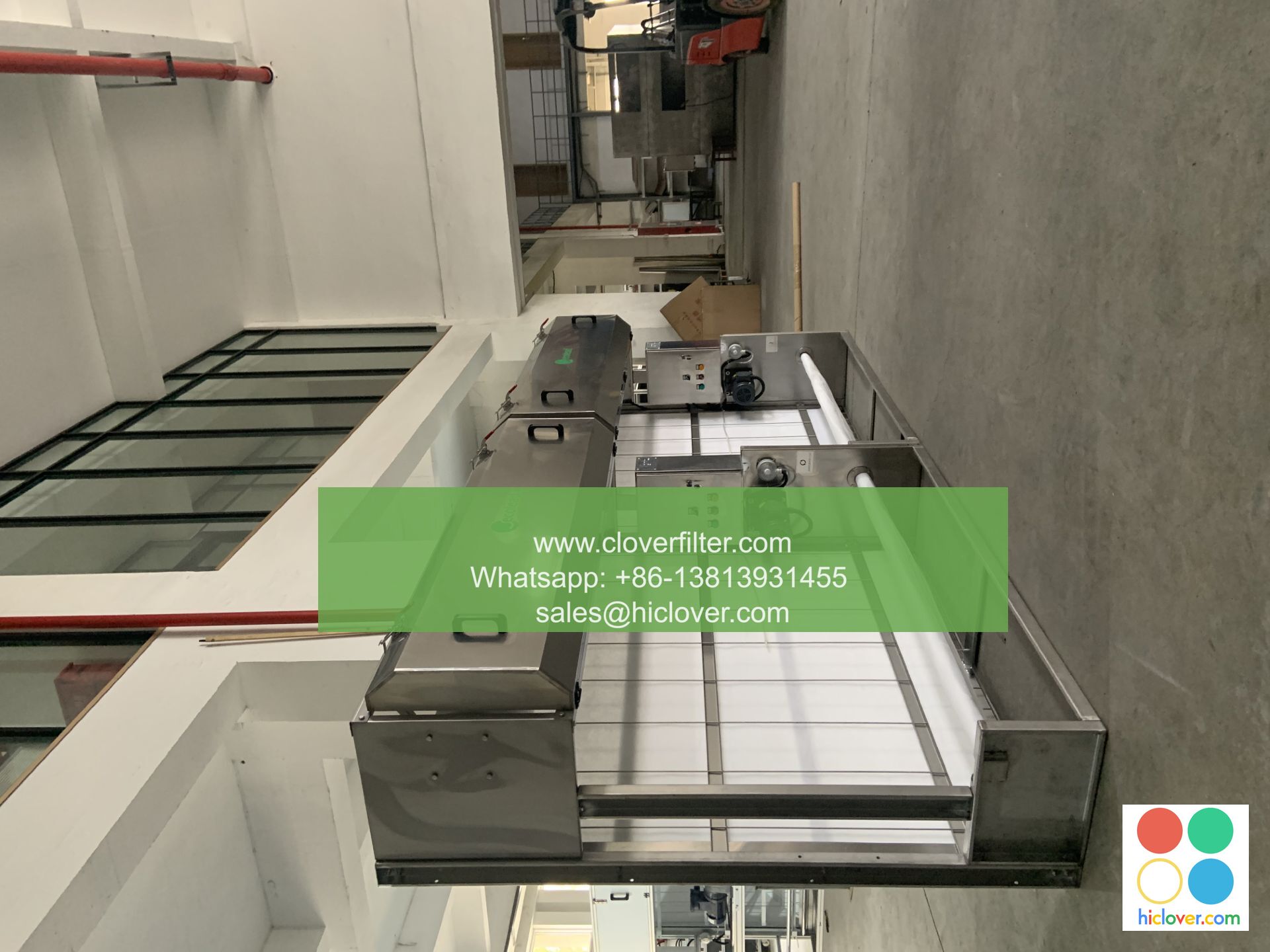
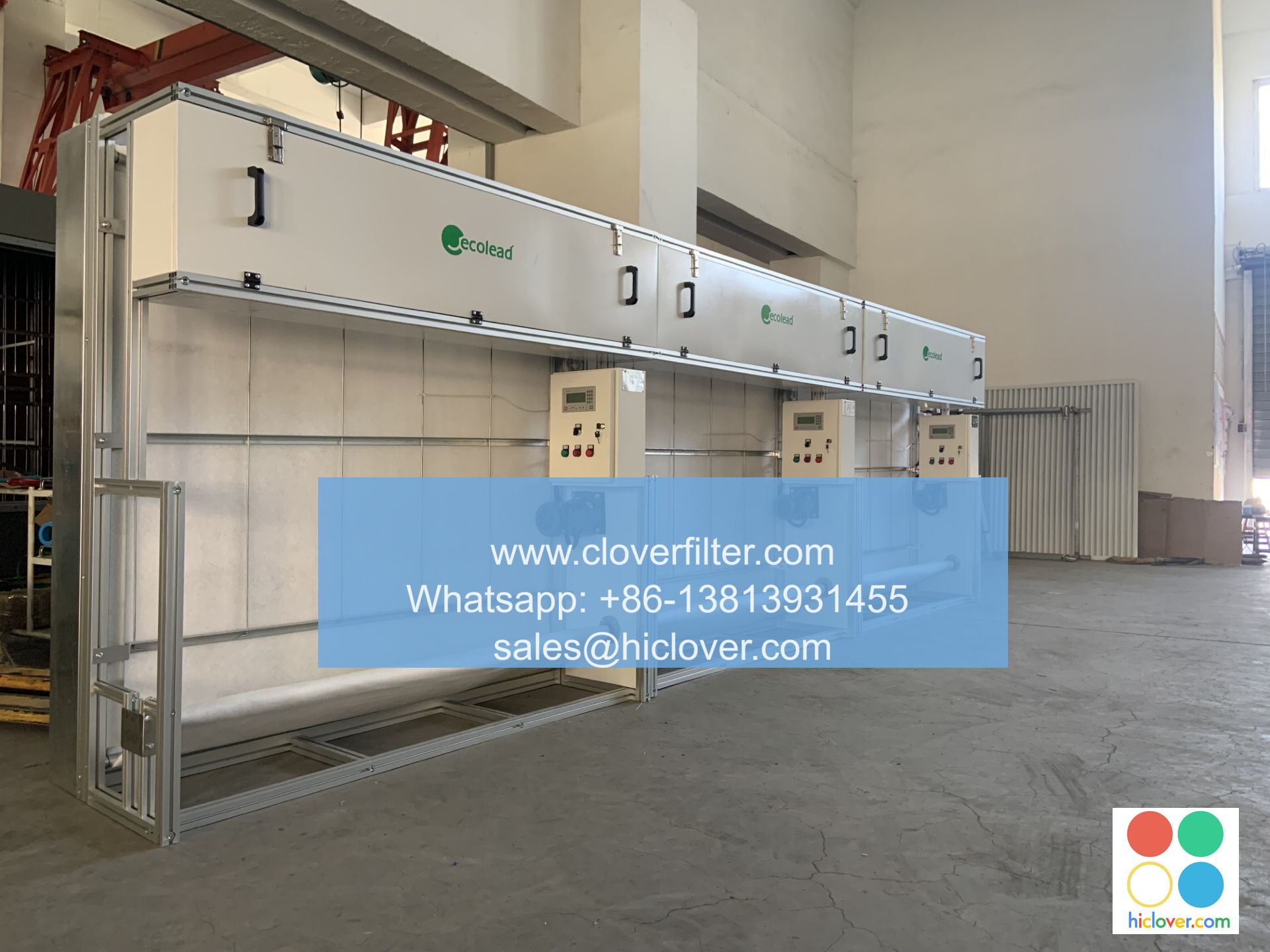
Air quality in livestock processing facilities is paramount for both operational efficiency and product quality. Innovative air filtration technologies are essential tools to maintain high standards of hygiene while ensuring the health of livestock and workers. Poor air quality can lead to contamination, affecting both meat quality and public health.
Types of Air Filtration Technologies
Several innovative air filtration solutions are transforming livestock processing operations. Here we explore some of the most effective technologies:
HEPA Filters
High-Efficiency Particulate Air (HEPA) filters are designed to trap 99.97% of particles that are 0.3 microns or larger. In livestock processing, HEPA filters minimize airborne contaminants, ensuring a cleaner environment.
Electrostatic Precipitators
These devices charge airborne particles, making them easier to collect. Electrostatic precipitators are particularly effective in reducing odors and harmful microorganisms, enhancing both safety and comfort for workers.
Activated Carbon Filters
Activated carbon filters adsorb volatile organic compounds (VOCs) and odors, crucial for livestock processing facilities where smells can impact both employee well-being and public perception.
Application Areas of Air Filtration in Livestock Processing
Innovative air filtration technologies can be applied in various aspects of livestock processing:
Processing Plants
In processing plants, maintaining air quality is critical. Advanced filtration systems help in reducing airborne pathogens, ensuring the meat produced is safe for consumption. High air turnover rates combined with efficient filtration can significantly reduce contamination risks.
Storage Facilities
Air filtration in storage areas prevents spoilage and maintains the freshness of meat products. By controlling humidity and temperature while filtering out contaminants, processors can extend shelf life and reduce waste.
Transportation
During the transportation of livestock and meat products, maintaining air quality is vital. Innovative portable filtration units can be used in trucks and trailers to ensure that products remain uncontaminated throughout their journey.
Benefits of Implementing Innovative Air Filtration Technologies
Implementing these technologies in livestock processing brings numerous benefits:
- Improved Air Quality: Reduction of airborne contaminants and pathogens.
- Enhanced Worker Safety: Cleaner air contributes to a healthier working environment.
- Regulatory Compliance: Meeting health and safety standards becomes easier.
- Product Quality: Improved air quality enhances the quality of meat products.
- Operational Efficiency: Reduced downtime due to fewer contamination-related issues.
Conclusion
Innovative air filtration technologies are reshaping the landscape of livestock processing. By investing in advanced air quality solutions, businesses can not only enhance product safety and worker health but also improve operational efficiencies. In a competitive industry, adopting these technologies can be the key to success and sustainability.
It seems you’ve mentioned “Prompt” without any specific context. Could you please provide more details about what you need? For example, are you looking for a writing prompt, a question to discuss, or something else entirely? Let me know how I can assist you!
