Enhancing Oil and Gas Plant Safety with Automatic Roll Air Filters
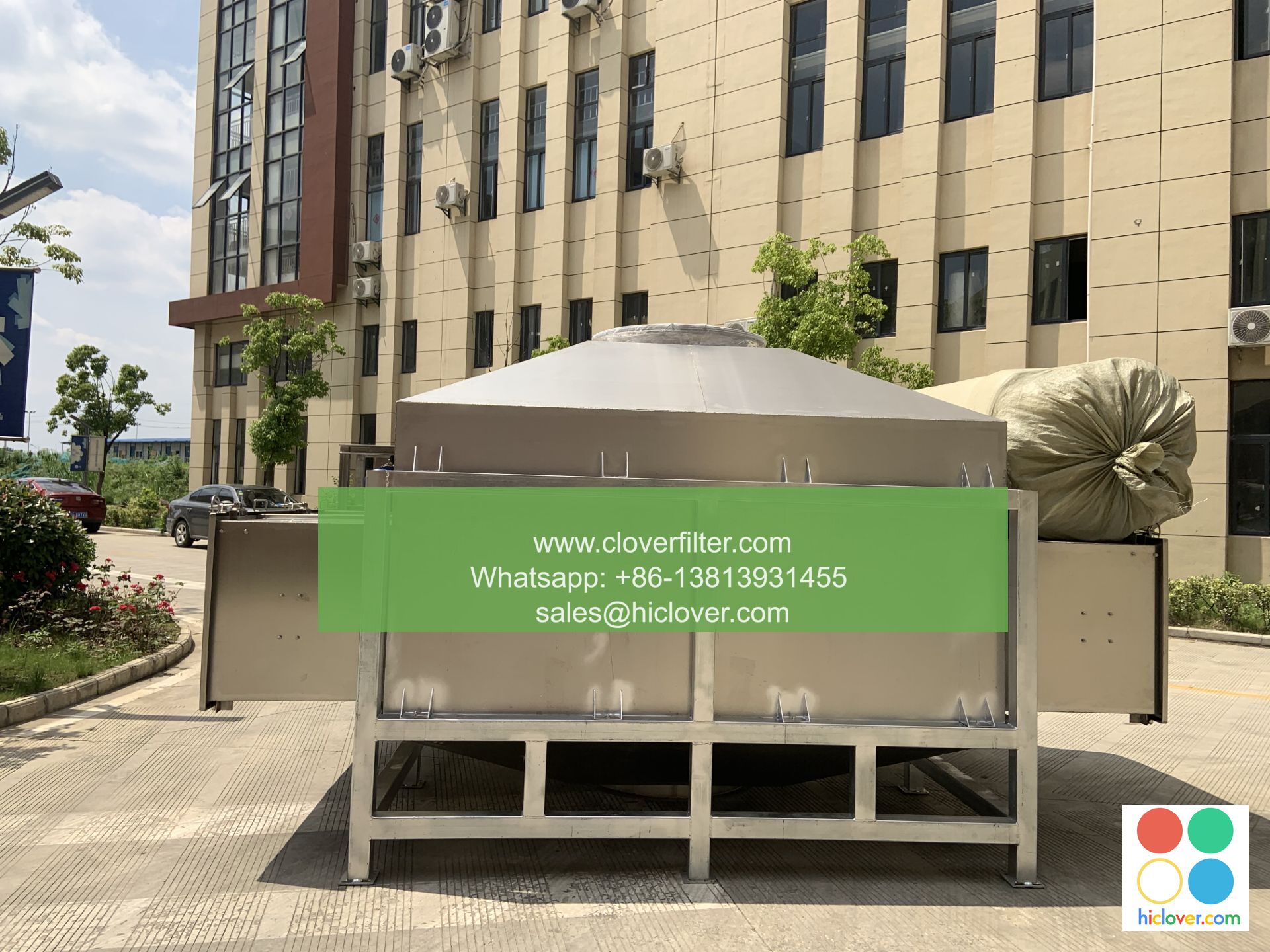
The oil and gas industry is a high-risk sector that requires utmost attention to safety to prevent accidents and ensure the well-being of personnel, equipment, and the environment. One critical aspect of maintaining a safe operating environment in oil and gas plants is the effective management of air quality. The presence of airborne contaminants can lead to equipment damage, reduced productivity, and increased risk of explosions and fires. To mitigate these risks, the use of automatic roll air filters has emerged as a vital component in enhancing oil and gas plant safety.
Automatic roll air filters are designed to capture airborne particles and contaminants, thereby improving the quality of air in the plant. These filters are especially useful in areas with high levels of dust, pollen, and other airborne pollutants. By continuously removing these contaminants from the air, automatic roll air filters help to reduce the risk of equipment damage and maintenance downtime, which can be costly and compromise safety. Furthermore, by maintaining cleaner air, these filters also contribute to a healthier working environment for plant personnel, reducing the risk of respiratory issues and other health problems associated with poor air quality.

In oil and gas plants, the combustion process and the handling of volatile substances pose significant risks. Automatic roll air filters play a critical role in minimizing these risks by preventing the accumulation of explosive or flammable airborne particles. These filters are particularly effective in areas where sparks or open flames are present, as they reduce the likelihood of igniteable particles being in close proximity to potential ignition sources. This proactive approach to managing air quality significantly enhances safety by reducing the risk of fires and explosions, which are among the most dangerous hazards in oil and gas operations.
Beyond the direct safety benefits, the integration of automatic roll air filters into oil and gas plant operations can also lead to significant economic advantages. By reducing the need for frequent equipment maintenance and repairs, plants can minimize downtime and optimize production efficiency. Cleaner air also means less wear and tear on machinery, extending the lifespan of critical equipment and reducing the overall cost of operation. Additionally, compliance with stringent safety and environmental regulations becomes more manageable, as these filters can help plants meet air quality standards and mitigate the risk of costly fines and legal repercussions.
The implementation of automatic roll air filters requires careful consideration of the specific needs and conditions of the oil and gas plant. Factors such as the type and volume of airborne contaminants, the layout of the plant, and the existing ventilation system must be taken into account to ensure the filters are used effectively. Regular maintenance of the filters themselves is also crucial, as their efficiency can diminish over time if not properly serviced. This includes monitoring filter performance, replacing filters as needed, and ensuring that the filter system is compatible with the plant’s overall safety and operational protocols.
In conclusion, the use of automatic roll air filters represents a significant advancement in the pursuit of enhanced safety within oil and gas plants. By effectively managing air quality, these filters contribute to a safer, healthier, and more productive working environment. As the oil and gas industry continues to evolve, with an increasing focus on safety, sustainability, and operational efficiency, the role of automatic roll air filters is likely to become even more critical. Through their ability to reduce risks, minimize downtime, and optimize plant performance, these filters are an essential tool for operators committed to achieving the highest standards of safety and operational excellence.

Frequently Asked Questions (FAQs)
Q: How often should automatic roll air filters be replaced?
A: The replacement frequency of automatic roll air filters depends on several factors, including the level of airborne contaminants, the efficiency of the filter, and the manufacturer’s recommendations. Regular monitoring of filter performance is necessary to determine when replacement is required.
Q: Can automatic roll air filters be customized for specific applications in oil and gas plants?
A: Yes, automatic roll air filters can be tailored to meet the unique needs of different areas within an oil and gas plant. This might involve selecting filters with specific properties, such as higher Efficiency or specialized materials, to effectively capture contaminants present in those areas.
Q: Do automatic roll air filters require special maintenance or servicing?
A: While automatic roll air filters are designed to be relatively low-maintenance, regular checks and servicing are necessary to ensure they continue to function optimally. This includes cleaning or replacing the filter media as recommended by the manufacturer and checking the filter housing and seals for integrity.
Q: How do automatic roll air filters contribute to compliance with safety and environmental regulations?
A: By improving air quality and reducing the risk of explosions and fires, automatic roll air filters help oil and gas plants comply with safety standards. Additionally, they can assist in meeting environmental regulations by minimizing emissions and the release of harmful substances into the atmosphere.
