Enhancing Operational Efficiency: The Impact of Automatic Roll Intake Filters in Labs
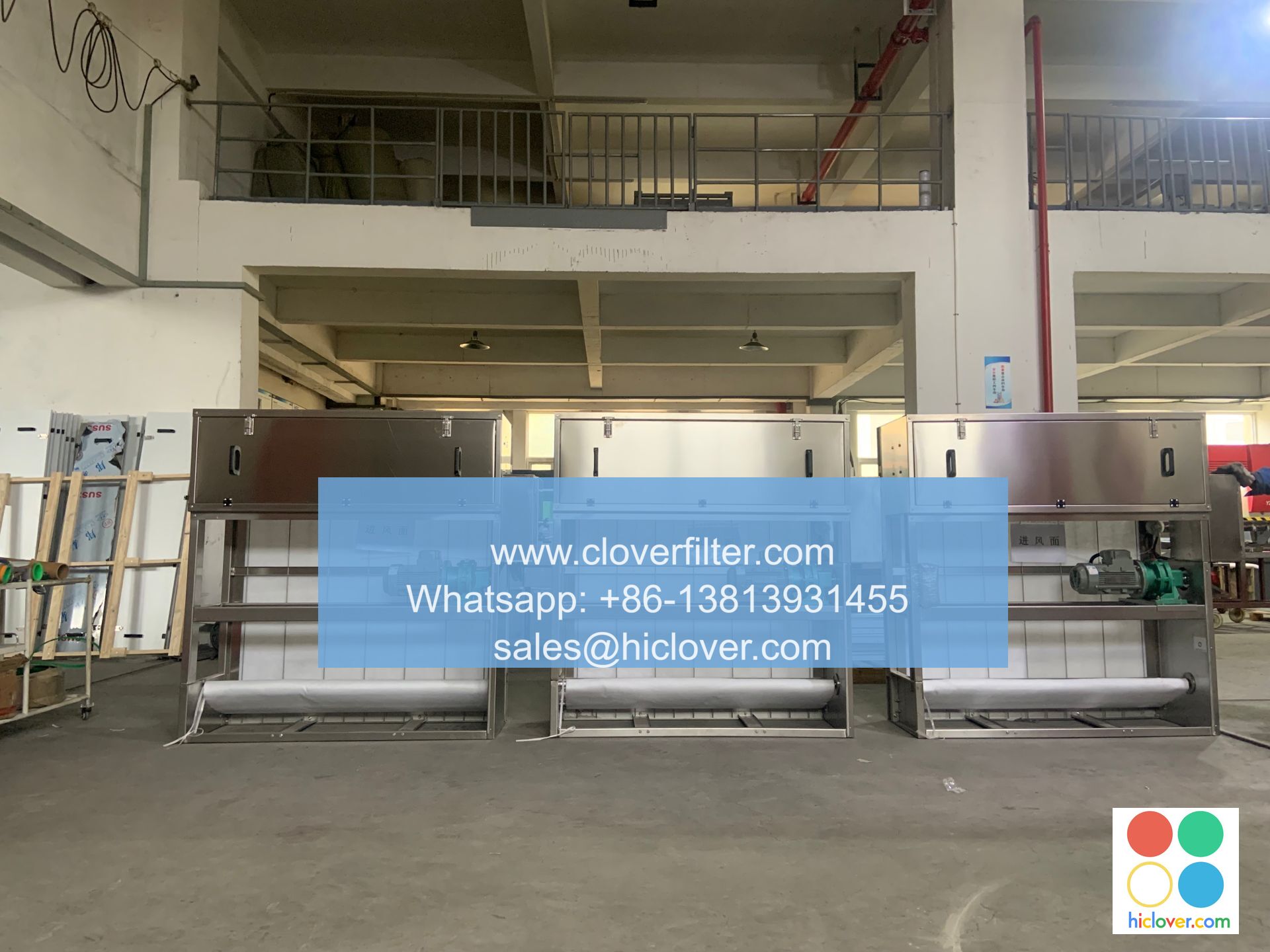
In today’s fast-paced laboratory environment, operational efficiency is paramount. Laboratories across various sectors—including biotechnology, pharmaceuticals, environmental testing, and food safety—are consistently seeking ways to optimize processes and reduce downtime. One innovative solution that has gained significant traction is the implementation of automatic roll intake filters. These advanced filtration systems are poised to revolutionize how labs manage air quality, streamline workflows, and ensure compliance with stringent safety regulations.
What are Automatic Roll Intake Filters?

Automatic roll intake filters are state-of-the-art air filtration systems designed to capture contaminants, particulates, and pollutants from the air entering laboratory environments. Utilizing a roll-to-roll filtering system, these filters provide a continuous supply of clean air, ultimately promoting a healthier workspace and improving equipment longevity.
Key Features of Automatic Roll Intake Filters
-
Continuous Filtration: Unlike traditional filters that require regular manual changes, automatic filters provide a seamless and continuous air filtration process.
-
Real-Time Monitoring: Many models come equipped with sensors that monitor air quality in real time, allowing labs to maintain optimal conditions without manual intervention.
-
Cost-Effective Operations: By utilizing an automated system, labs can reduce labor costs and minimize the frequency of filter replacements, leading to long-term savings.
-
Enhanced Safety Standards: Ensuring compliance with safety regulations is crucial for laboratory operations. Automatic filters contribute to meeting these standards by removing harmful particulates, thus protecting laboratory personnel.

Application Areas of Automatic Roll Intake Filters
1. Biotechnology Laboratories
In biotechnology labs, maintaining a controlled environment is critical. Automatic roll intake filters ensure that sensitive experiments, particularly those involving cultures and samples, are not compromised by airborne contaminants. This protects the integrity of research and accelerates the product development cycle.
2. Pharmaceutical Manufacturing
Pharmaceutical facilities rely on stringent air quality standards to prevent contamination of products. Automatic roll intake filters play a vital role in ensuring that manufacturing areas remain uncontaminated, thereby safeguarding patient safety and enhancing product efficacy.
3. Environmental Testing Facilities
Labs that conduct environmental testing require ultra-clean air to accurately measure pollutants and other environmental contaminants. Automatic filters help maintain optimal testing conditions and enhance the reliability of results.
4. Food Safety Testing
In labs focused on food safety, clean air is essential to prevent contamination of food samples during testing. Automatic roll intake filters help laboratories comply with health regulations and enhance the credibility of testing results.
Benefits of Implementing Automatic Roll Intake Filters in Labs
Improved Operational Efficiency
By reducing the need for manual filter changes and ensuring continuous air quality monitoring, labs can focus more on core activities rather than maintenance tasks. This leads to a significant increase in productivity and operational efficiency.
Enhanced Data Accuracy
With cleaner air, labs can achieve more reliable and accurate results in their research and testing, minimizing errors caused by airborne contaminants.
Sustainability and Environmental Responsibility
Automatic roll intake filters promote sustainability by utilizing energy-efficient designs and reducing waste through longer filter lifespans. This aligns with increasing trends toward environmentally responsible laboratory practices.
Conclusion
The integration of automatic roll intake filters in laboratories is transforming operational efficiency, with far-reaching benefits across various sectors. By ensuring continuous air quality and minimizing manual labor, these advanced filtration systems not only align with safety standards but also drive productivity and enhance data reliability. As laboratories continue to evolve in complexity and scale, the role of innovative technologies like automatic roll intake filters will undoubtedly become more critical to achieving operational excellence and ensuring seamless, compliant, and efficient lab practices.
Embracing this technology is not just a trend; it is a strategic move toward building a future-ready laboratory environment equipped to meet the challenges of the modern scientific landscape.
It seems like your message might have been cut off. Could you please provide more details or clarify what you’re looking for? Whether it’s a writing prompt, a specific question, or something else, I’m here to help!
